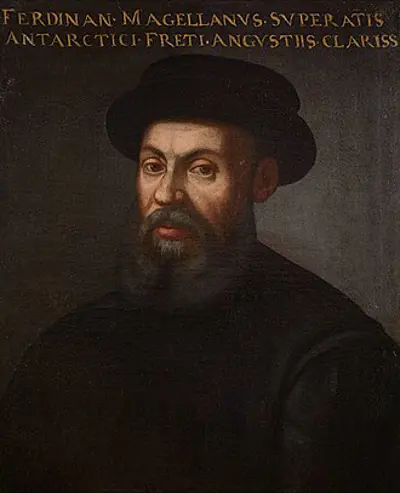
Ferdinand Magellan was a Portuguese explorer best known for planning and leading the 1519–1522 Spanish expedition to the East Indies. During this expedition, he became the first European to encounter the Strait of Magellan, performed the first European crossing of the Pacific Ocean, and made the first known European contact with the Philippines. Magellan was killed in battle in the Philippines in 1521, but his crew, commanded by Spanish navigator Juan Sebastián Elcano, completed the return trip to Spain in 1522, achieving the first circumnavigation of Earth in history.
Ferdinand Magellan sets sail from Sanlúcar de Barrameda with about 270 men on his expedition which ultimately culminates in the first circumnavigation of the globe.
On September 20, in the year 1519, Ferdinand Magellan sets sail from Sanlúcar de Barrameda with about 270 men on his expedition which ultimately culminates in the first circumnavigation of the globe. This event is recorded as a Historical Events event in the history of September 20, one of 437 recorded events on this date across all of history.
Key Facts
- This event took place on September 20, 1519 (AD era).
- It is categorised as a Historical Events event in recorded history.
- Referenced in 1 Wikipedia article.
- Wikipedia source last updated on 23 August 2026.
On This Date in History 437
This article draws on content from Wikipedia, available under CC BY-SA 4.0.
More on September 20
1988
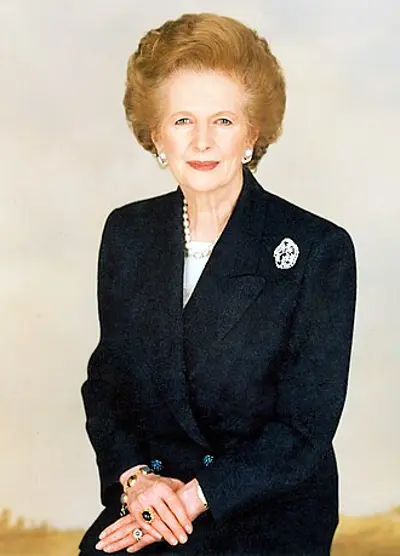
Margaret Thatcher delivers the Bruges speech, in which she articulates her opposition to further European integration.
Margaret Hilda Thatcher, Baroness Thatcher was a British stateswoman who served as Prime Minister of the United Kingdom from 1979 to 1990 and Leader of the Conservative Party from…
Margaret Thatcher delivers the Bruges speech, in which she articulates her opposition to further European integration.
1217
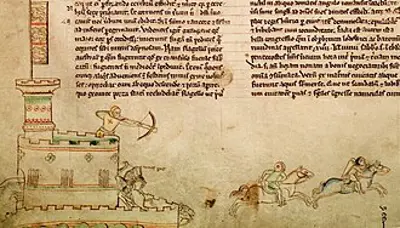
Following the French defeat in the battle of Lincoln, prince Louis of France ratifies the treaty of Lambeth under…
The Second Battle of Lincoln occurred at Lincoln Castle on Saturday 20 May 1217, during the First Barons' War, between the forces of the future Louis VIII of France and those of K…
Following the French defeat in the battle of Lincoln, prince Louis of France ratifies the treaty of Lambeth under…

2019
Roughly four million people, mostly students, demonstrate across the world to address climate change. Sixteen-year-old…
The September 2019 climate strikes, also known as the Global Week for Future, were a series of international strikes and protests to demand action be taken to address climate chan…
Roughly four million people, mostly students, demonstrate across the world to address climate change. Sixteen-year-old…
2018
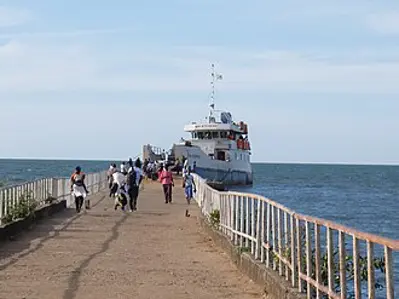
At least 161 people die after a ferry capsizes close to the pier on Ukara Island in Lake Victoria, Tanzania.
MV Nyerere was a Tanzanian ferry that capsized on 20 September 2018 while travelling between the islands of Ukerewe and Ukara on Lake Victoria. The Tanzanian government have decla…
At least 161 people die after a ferry capsizes close to the pier on Ukara Island in Lake Victoria, Tanzania.
2017
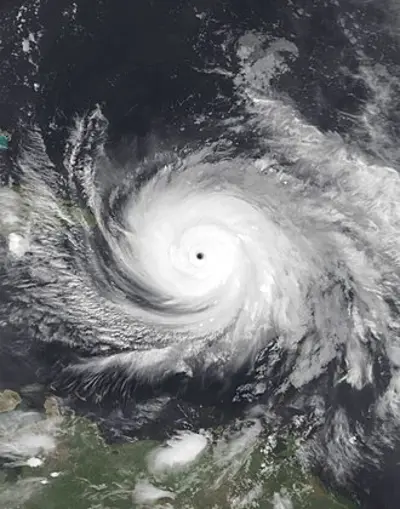
Hurricane Maria makes landfall in Puerto Rico as a powerful Category 4 hurricane, resulting in 2,975 deaths,…
Hurricane Maria was an extremely powerful and catastrophic tropical cyclone that affected the northeastern Caribbean in September 2017, particularly in the U.S. territory of Puert…
Hurricane Maria makes landfall in Puerto Rico as a powerful Category 4 hurricane, resulting in 2,975 deaths,…
2011
15 years ago
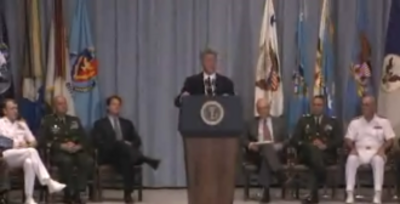
The United States military ends its "don't ask, don't tell" policy, allowing gay men and women to serve openly for the…
"Don't ask, don't tell" (DADT) was the official United States policy on military service of homosexual people for a period of over 17 years, starting in the mid-1990s. Instituted …
The United States military ends its "don't ask, don't tell" policy, allowing gay men and women to serve openly for the…
Comments 0
Sign in to join the discussion.