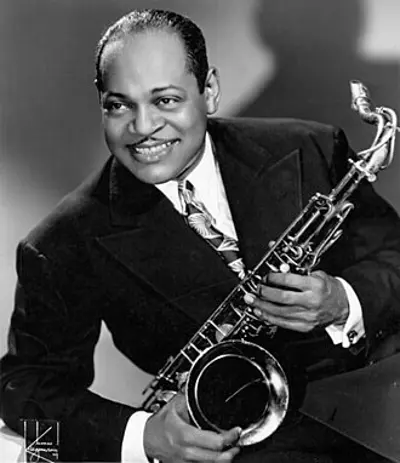
Coleman Randolph Hawkins, nicknamed "Hawk" and sometimes "Bean", was an American jazz tenor saxophonist. He was one of the first prominent jazz musicians on his instrument, as Joachim-Ernst Berendt explained: "There were some tenor players before him, but the instrument was not an acknowledged jazz horn." Hawkins biographer John Chilton described the prevalent styles of tenor saxophone solos prior to Hawkins as "mooing" and "rubbery belches". Hawkins denied being first and noted his contemporaries Happy Caldwell, Stump Evans, and Prince Robinson, although he was the first to tailor his method of improvisation to the saxophone rather than imitate the techniques of the clarinet. Hawkins's virtuosic, arpeggiated approach to improvisation, with his characteristic rich, emotional, and vibrato-laden tonal style, was the main influence on a generation of tenor players that included Chu Berry, Charlie Barnet, Tex Beneke, Ben Webster, Vido Musso, Herschel Evans, Buddy Tate, and Don Byas, and through them the later tenormen Arnett Cobb, Illinois Jacquet, Flip Phillips, Ike Quebec, Al Sears, Paul Gonsalves, and Lucky Thompson. While Hawkins became known with swing music during the big band era, he had a role in the development of bebop in the 1940s.
Coleman Hawkins, American saxophonist and clarinet player (died 1969)
On November 21, in the year 1904, Coleman Hawkins, American saxophonist and clarinet player (died 1969). This event is recorded as a Notable Births event in the history of November 21, one of 426 recorded events on this date across all of history.
1 notable person is associated with this event, including Coleman Hawkins. Learn more below.
Key Facts
- This event took place on November 21, 1904 (AD era).
- It is categorised as a Notable Births event in recorded history.
- Referenced in 1 Wikipedia article.
- 1 notable person is recorded as involved in or associated with this event.
- Wikipedia source last updated on 31 October 2026.
On This Date in History 426
This article draws on content from Wikipedia, available under CC BY-SA 4.0.
People Involved
More on November 21
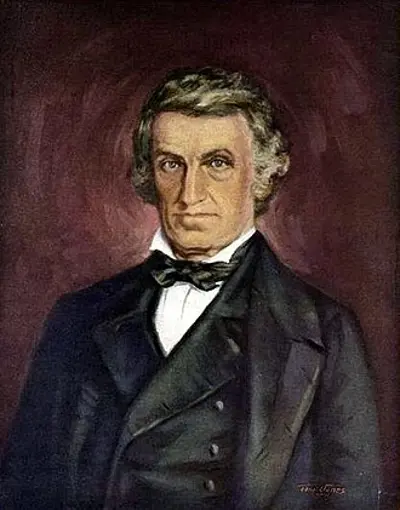
William Beaumont, American surgeon, "Father of Gastric Physiology" (died 1853)
William Beaumont was a surgeon in the U.S. Army. He served as an assistant surgeon from 1812 to 1815, and then rejoined the army in 1820. He became known as the "Father of Gastric�
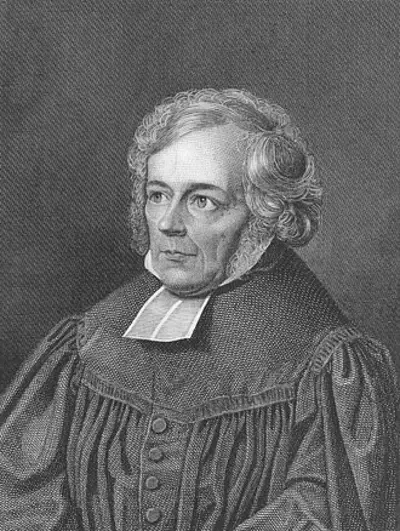
Friedrich Schleiermacher, German theologian, philosopher, and scholar (died 1834)
Friedrich Daniel Ernst Schleiermacher was a German Reformed theologian, pastor, philosopher, and biblical scholar known for his attempt to reconcile the criticisms of the Enlighte�
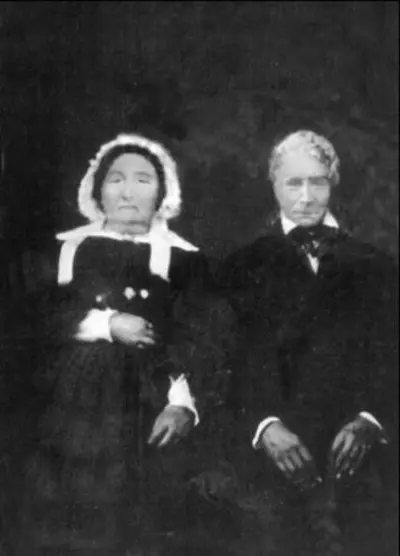
Joseph Plumb Martin, American sergeant (died 1850)
Joseph Plumb Martin was a soldier in the Connecticut Militia and Continental Army during the American Revolutionary War, and was mustered out as a 23-year-old Sergeant in a Sapper�
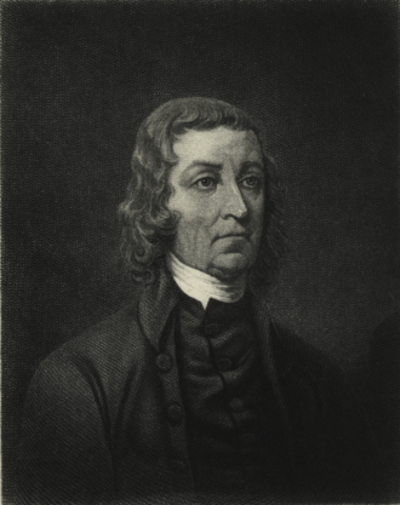
Josiah Bartlett, American physician and politician, 6th Governor of New Hampshire (died 1795)
Josiah Bartlett was an American Founding Father, physician, statesman, a delegate to the Continental Congress for New Hampshire, and a signatory to the Declaration of Independence�
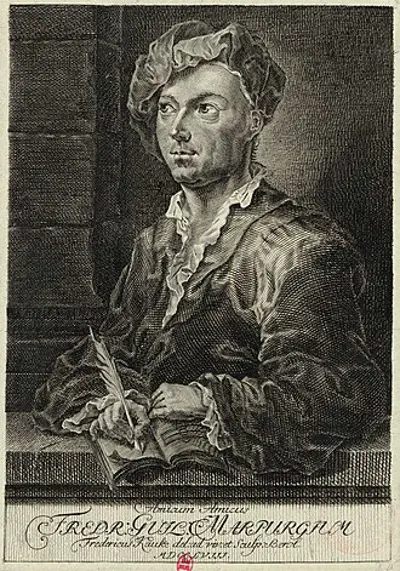
Friedrich Wilhelm Marpurg, German composer, critic, and theorist (died 1795)
Friedrich Wilhelm Marpurg was a German music critic, music theorist and composer. Described as "one of Germany's leading mid[18th-]century music critics," he was friendly and acti�
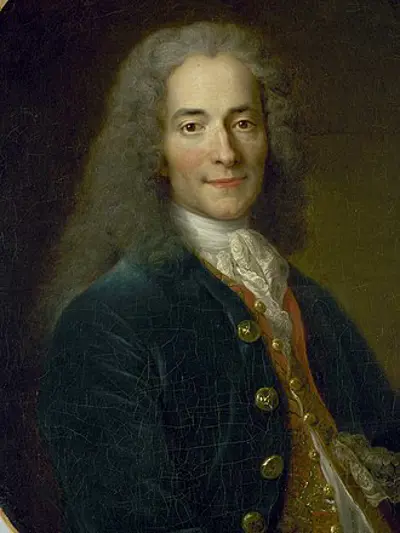
Voltaire, French writer and philosopher (died 1778)
François-Marie Arouet, known by his pen name Voltaire, was a French Enlightenment writer, philosopher (philosophe), satirist, and historian. Famous for his wit and his Criticisms �

Comments 0
Sign in to join the discussion.