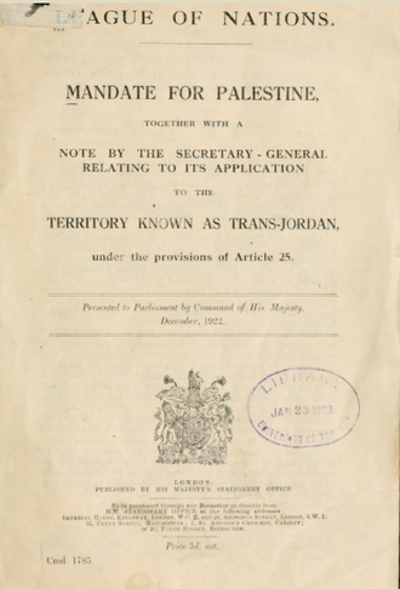
The Mandate for Palestine was a League of Nations mandate for British administration of the territories of Palestine and Transjordan – which had been part of the Ottoman Empire for four centuries – following the defeat of the Ottoman Empire in World War I. Under the mandate, Britain assumed obligations both to the inhabitants of Palestine and to the establishment of a Jewish national home, as set out in the British government's 1917 Balfour Declaration. The mandate was assigned to Britain by the San Remo conference in April 1920, after France's concession in the 1918 Clemenceau–Lloyd George Agreement of the previously agreed "international administration" of Palestine under the Sykes–Picot Agreement. Transjordan was added to the mandate after the Arab Kingdom in Damascus was toppled by the French in the Franco-Syrian War. Civil administration began in Palestine and Transjordan in July 1920 and April 1921, respectively, and the mandate was in force from 29 September 1923 to 15 May 1948 and to 25 May 1946 respectively.
The Mandate for Palestine takes effect, creating Mandatory Palestine.
On September 29, in the year 1923, The Mandate for Palestine takes effect, creating Mandatory Palestine. This event is recorded as a Historical Events event in the history of September 29, one of 471 recorded events on this date across all of history.
Key Facts
- This event took place on September 29, 1923 (AD era).
- It is categorised as a Historical Events event in recorded history.
- Referenced in 2 Wikipedia articles.
- Wikipedia source last updated on 19 August 2026.
On This Date in History 471
This article draws on content from Wikipedia, available under CC BY-SA 4.0.
More on September 29
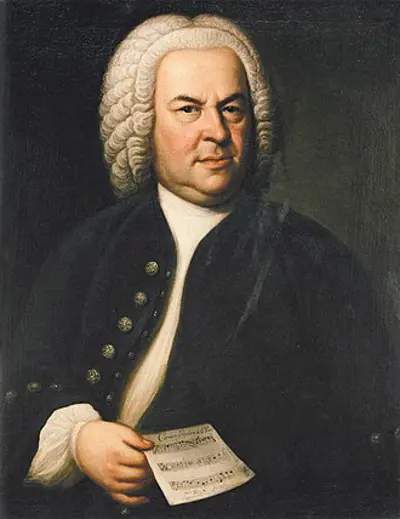
J. S. Bach leads the first performance of Es erhub sich ein Streit, BWV 130, for the feast of Michael, the archangel.
Johann Sebastian Bach was a German composer and musician of the late Baroque period. He is known for his prolific output across a variety of instruments and forms, including the o…
J. S. Bach leads the first performance of Es erhub sich ein Streit, BWV 130, for the feast of Michael, the archangel.
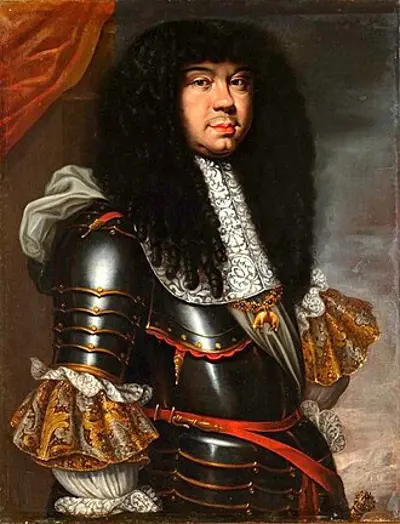
Michał Korybut Wiśniowiecki is crowned king following the 1669 Polish–Lithuanian royal election.
Michał Korybut Wiśniowiecki, also known as Michał Tomasz Wiśniowiecki, and under a regal name Michael, was the ruler of the Polish–Lithuanian Commonwealth as King of Poland and Gr…
Michał Korybut Wiśniowiecki is crowned king following the 1669 Polish–Lithuanian royal election.
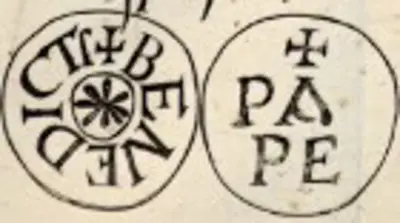
Pope Benedict III is restored by a popular uprising to the papacy after king Louis II of Italy tried to replace him…
Pope Benedict III was the bishop of Rome and leader of the Papal States from 29 September 855 to his death on 17 April 858.
Pope Benedict III is restored by a popular uprising to the papacy after king Louis II of Italy tried to replace him…
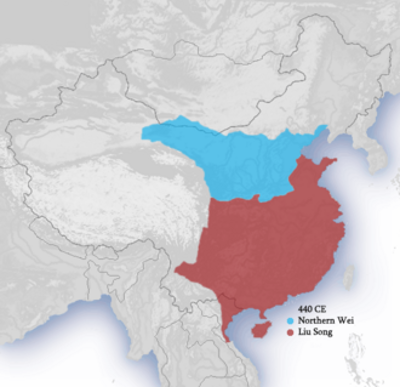
Consecration of pope Leo I, later called Leo the Great, following the death of pope Sixtus III in the month before.
Year 440 (CDXL) was a leap year starting on Monday of the Julian calendar. At the time, it was known as the Year of the Consulship of Valentinianus and Anatolius. The denomination…
Consecration of pope Leo I, later called Leo the Great, following the death of pope Sixtus III in the month before.
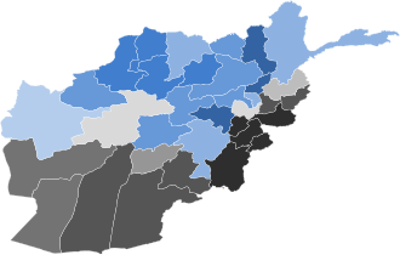
Violence and low turnout mar the 2019 Afghan presidential election.
Presidential elections were held in Afghanistan on 28 September 2019. According to preliminary results, which runner-up Abdullah Abdullah appealed against, incumbent Ashraf Ghani …
Violence and low turnout mar the 2019 Afghan presidential election.
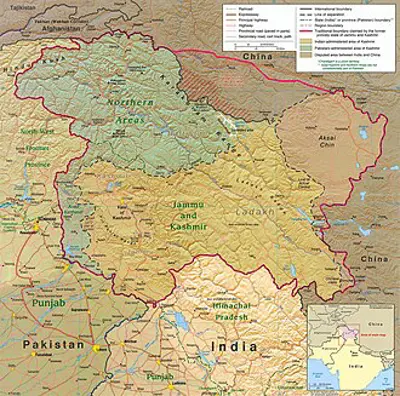
Eleven days after the Uri attack, the Indian Army conducts "surgical strikes" against suspected militants in…
The 2016 Uri attack was carried out on 18 September 2016 by four terrorists from Jaish-e-Mohammed against an Indian Army brigade headquarters near the town of Uri in the Indian Ja…
Eleven days after the Uri attack, the Indian Army conducts "surgical strikes" against suspected militants in…
Comments 0
Sign in to join the discussion.