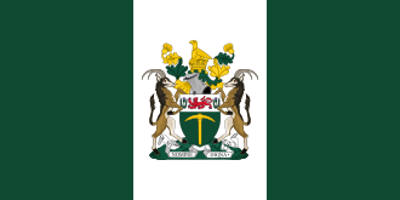
Rhodesia, officially the Republic of Rhodesia from 1970 onwards, was an unrecognised state in Southern Africa that existed from 1965 to 1979. Rhodesia was the de facto successor to the self-governing colony of Southern Rhodesia following its unilateral declaration of independence (UDI) from the United Kingdom in 1965. Throughout this fourteen-year period, Rhodesia faced internal conflict and political unrest. Following the Lancaster House Agreement in 1979 and general elections held under a universal suffrage in 1980, the territory finally gained de jure independence and international recognition as the Republic of Zimbabwe.
Rhodesia, led by Prime Minister Ian Smith (pictured), unilaterally declared independence from the United Kingdom.
On November 11, in the year 1965, Rhodesia, led by Prime Minister Ian Smith (pictured), unilaterally declared independence from the United Kingdom. This event is recorded as a Selected Events event in the history of November 11, a notable event in this corner of history.
Key Facts
- This event took place on November 11, 1965 (AD era).
- It is categorised as a Selected Events event in recorded history.
- Referenced in 3 Wikipedia articles.
- The event is associated with a specific geographical location (see map below).
- Wikipedia source last updated on 26 October 2026.
On This Date in History
This article draws on content from Wikipedia, available under CC BY-SA 4.0.
More on November 11
2008
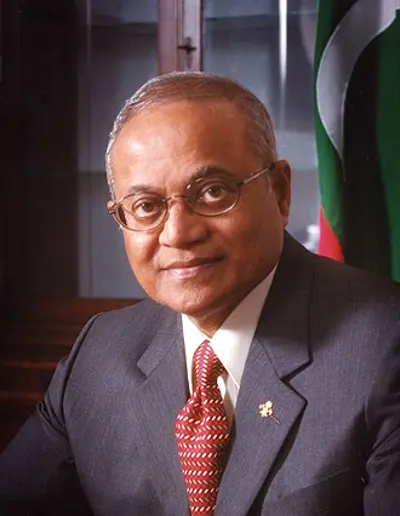
After 30 years in power, Maumoon Abdul Gayoom was succeeded by Mohamed Nasheed as president of the Maldives.
Maumoon Abdul Gayoom is a Maldivian politician, statesman and diplomat who served as the 3rd president of the Maldives from 1978 to 2008. He previously served as the Minister of T…
After 30 years in power, Maumoon Abdul Gayoom was succeeded by Mohamed Nasheed as president of the Maldives.
1999
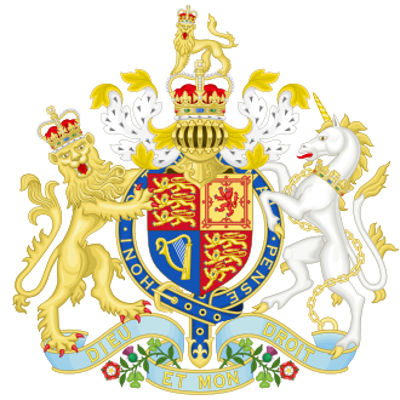
The House of Lords Act was given royal assent, removing most hereditary peers from the British House of Lords.
The House of Lords Act 1999 is an act of the Parliament of the United Kingdom which reformed the House of Lords, one of the chambers of Parliament. The act was given royal assent …
The House of Lords Act was given royal assent, removing most hereditary peers from the British House of Lords.
1975
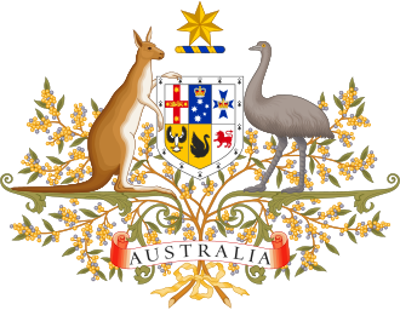
During a constitutional crisis, Governor-General Sir John Kerr (pictured) dismissed Prime Minister Gough Whitlam's…
The 1975 Australian constitutional crisis, also called the Dismissal, culminated with the dismissal of the prime minister, Gough Whitlam of the Australian Labor Party (ALP), by Si…
During a constitutional crisis, Governor-General Sir John Kerr (pictured) dismissed Prime Minister Gough Whitlam's…
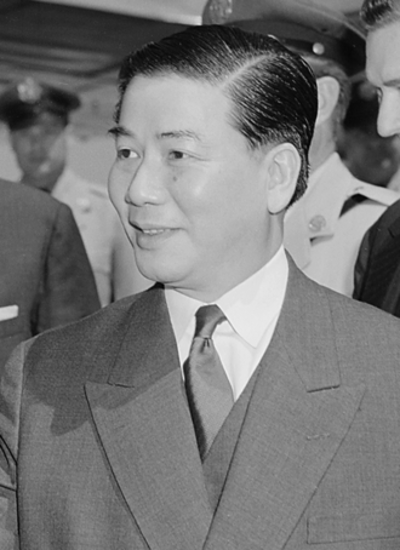
1960
A coup attempt by the Army of the Republic of Vietnam against President Ngô Đình Diệm was crushed after he falsely…
On 11 November 1960, a failed coup attempt against President Ngô Đình Diệm of South Vietnam was led by Lieutenant Colonel Vương Văn Đông and Colonel Nguyễn Chánh Thi of the Airbor…
A coup attempt by the Army of the Republic of Vietnam against President Ngô Đình Diệm was crushed after he falsely…
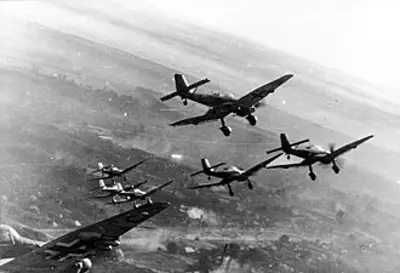
1940
Second World War: The Royal Navy launched the first all-aircraft ship-to-ship naval attack in history against the…
World War II, or the Second World War, was a global conflict between two coalitions: the Allies and the Axis powers. Nearly all of the world's countries participated, with many en…
Second World War: The Royal Navy launched the first all-aircraft ship-to-ship naval attack in history against the…
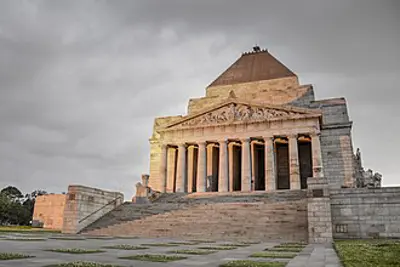
1934
The Shrine of Remembrance (pictured), a memorial to all Australians who have served in war, opened in Melbourne.
The Shrine of Remembrance is a war memorial in Melbourne, Victoria, Australia, located in Kings Domain on St Kilda Road. It was built to honour the men and women of Victoria who s…
The Shrine of Remembrance (pictured), a memorial to all Australians who have served in war, opened in Melbourne.
Comments 0
Sign in to join the discussion.