Abul A'la al-Maududi was an Islamic scholar and the author of Tafhim-ul-Quran, who was active in British India and later, following the partition, in Pakistan. Described by Wilfred Cantwell Smith as "the most systematic thinker of modern Islam", he authored numerous works, which "covered a range of disciplines such as Qur'anic exegesis, hadith, law, philosophy, and history". These were originally penned in Urdu, and later translated into a number of other languages, including English, Arabic, Hindi, Bengali, Telugu, Tamil, Kannada, Burmese, and Malayalam. He sought to revive Islam, and, more specifically, to propagate what he understood to be "true Islam". He believed that this Islam was essential for the proper functioning of the national political order; this pivotal role provided his followers with their primary goal of bringing about the legal adoption of sharia. This was seen as entailing both the popular revival of an Islamic culture, mirroring traditional beliefs regarding widespread social norms and practices during the reigns of the Rashidun Caliphs, and the abandonment of immorality and what Maududi viewed as the modern evils of secularism, nationalism and socialism. He viewed these last three as foreign influences, the remnants of Western imperialism.
Abul A'la Maududi, Pakistani theologian, Islamic scholar and jurist (born 1903)
On September 22, in the year 1979, Abul A'la Maududi, Pakistani theologian, Islamic scholar and jurist (born 1903). This event is recorded as a Notable Deaths event in the history of September 22, one of 440 recorded events on this date across all of history.
1 notable person is associated with this event, including Abul A'la Maududi. Learn more below.
Key Facts
- This event took place on September 22, 1979 (AD era).
- It is categorised as a Notable Deaths event in recorded history.
- Referenced in 1 Wikipedia article.
- 1 notable person is recorded as involved in or associated with this event.
- Wikipedia source last updated on 1 September 2026.
On This Date in History 440
This article draws on content from Wikipedia, available under CC BY-SA 4.0.
People Involved
More on September 22
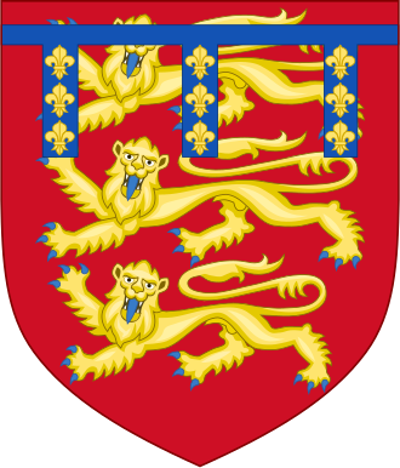
Henry, 3rd Earl of Lancaster, English politician, Lord High Steward (born 1281)
Henry, 3rd Earl of Leicester and Lancaster was an English nobleman. He was the grandson of King Henry III of England and was one of the principals behind the deposition of King Ed…
Henry, 3rd Earl of Lancaster, English politician, Lord High Steward (born 1281)
Dōgen, Japanese monk and philosopher (born 1200)
Dōgen Zenji was a Japanese Zen Buddhist monk, writer, poet, philosopher, and founder of the Sōtō school of Zen in Japan. He is also known as Dōgen Kigen (道元希玄), Eihei Dōgen (永平道元…
Dōgen, Japanese monk and philosopher (born 1200)
Uchtred, Lord of Galloway (born c. 1120)
Uhtred mac Fergus was Lord of Galloway from 1161 to 1174, ruling jointly with his brother Gille Brigte (Gilbert). They were sons of Fergus of Galloway; it was believed that they w…
Uchtred, Lord of Galloway (born c. 1120)
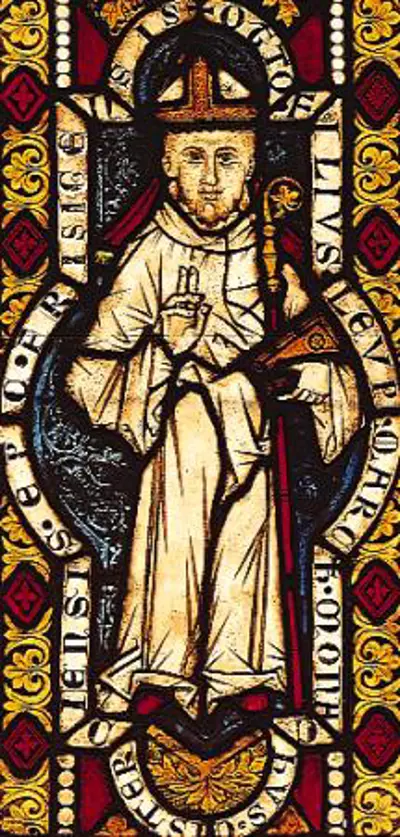
Otto of Freising, German bishop and chronicler (born c. 1114)
Otto of Freising was a German churchman of the Cistercian order and chronicled at least two texts which carry valuable information on the political history of his own time. He was…
Otto of Freising, German bishop and chronicler (born c. 1114)
Ouyang Xiu, Chinese historian, poet, and politician (born 1007)
Ouyang Xiu, courtesy name Yongshu, also known by his art names Zuiweng (醉翁) and Liu Yi Jushi (六一居士), was a Chinese historian, calligrapher, epigrapher, essayist, poet, and politic…
Ouyang Xiu, Chinese historian, poet, and politician (born 1007)
Wichmann II, Frankish nobleman
Wichmann II the Younger was a member of the Saxon House of Billung. He was a son of Count Wichmann the Elder and his wife Frederuna, a niece of Queen Matilda. The cousin of Emper…
Wichmann II, Frankish nobleman
Comments 0
Sign in to join the discussion.