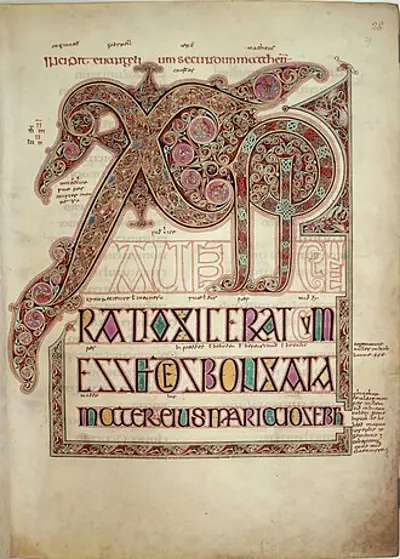
The Anglo-Saxons, in some contexts simply called Saxons or the English, were a cultural group who spoke Old English and inhabited much of what is now England and south-eastern Scotland in the Early Middle Ages. They traced their origins to Germanic settlers who became one of the most important cultural groups in Britain by the 5th century. The Anglo-Saxon period in Britain is considered to have started by about 450 and ended in 1066, with the Norman Conquest. Although the details of their early settlement and political development are not clear, by the 8th century an Anglo-Saxon cultural identity which was generally called Englisc had developed out of the interaction of these settlers with the existing Romano-British culture. By 1066, most of the people of what is now England spoke Old English, and were considered English. Viking and Norman invasions changed the politics and culture of England significantly, but the overarching Anglo-Saxon identity evolved and remained dominant even after these major changes. Late Anglo-Saxon political structures and language are the direct predecessors of the high medieval Kingdom of England and the Middle English language. Although the modern English language owes less than 26% of its words to Old English, this includes the vast majority of everyday words.
The largest hoard of Anglo-Saxon gold ever discovered in Britain, consisting of more than 1,500 items, is found near the village of Hammerwich, near Lichfield, Staffordshire.
On July 5, in the year 2009, The largest hoard of Anglo-Saxon gold ever discovered in Britain, consisting of more than 1,500 items, is found near the village of Hammerwich, near Lichfield, Staffordshire. This event is recorded as a Historical Events event in the history of July 5, one of 424 recorded events on this date across all of history.
Key Facts
- This event took place on July 5, 2009 (AD era).
- It is categorised as a Historical Events event in recorded history.
- Referenced in 4 Wikipedia articles.
- Wikipedia source last updated on 24 June 2026.
On This Date in History 424
This article draws on content from Wikipedia, available under CC BY-SA 4.0.
More on July 5
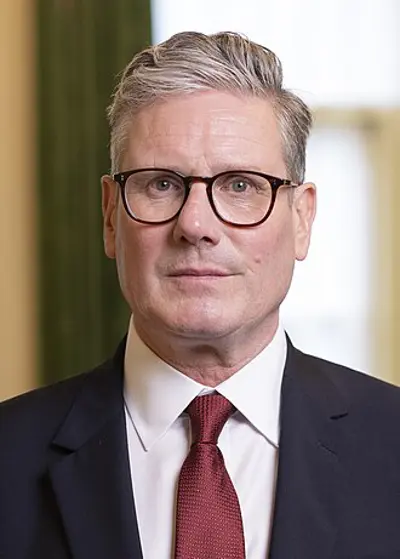
Keir Starmer is appointed Prime Minister by Charles III, becoming the first Labour prime minister since Gordon Brown…
Sir Keir Rodney Starmer is a British politician and lawyer who has served as Prime Minister of the United Kingdom since 2024, and as Leader of the Labour Party since 2020. Starmer…
Keir Starmer is appointed Prime Minister by Charles III, becoming the first Labour prime minister since Gordon Brown…
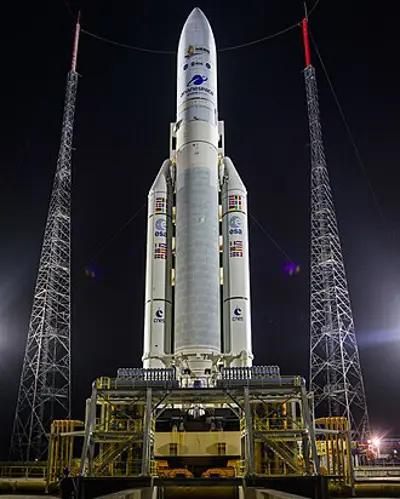
The last Ariane 5 rocket is launched, carrying the Heinrich Hertz and Syracuse 4B satellites.
Ariane 5 is a retired European heavy-lift space launch vehicle operated by Arianespace for the European Space Agency (ESA). It was launched from the Guiana Space Centre (CSG) in F…
The last Ariane 5 rocket is launched, carrying the Heinrich Hertz and Syracuse 4B satellites.

British government ministers Sajid Javid and Rishi Sunak resign from the second Johnson ministry, beginning the July…
Sir Sajid Javid is a British former politician who served as Secretary of State for Health and Social Care from June 2021 to July 2022, having previously served as Home Secretary …
British government ministers Sajid Javid and Rishi Sunak resign from the second Johnson ministry, beginning the July…
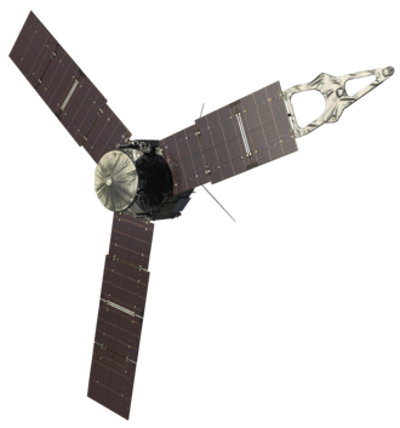
The Juno space probe arrives at Jupiter and begins a 20-month survey of the planet.
Juno is a NASA space probe orbiting the planet Jupiter. Built by Lockheed Martin and operated by NASA's Jet Propulsion Laboratory, the spacecraft was launched from Cape Canaveral …
The Juno space probe arrives at Jupiter and begins a 20-month survey of the planet.
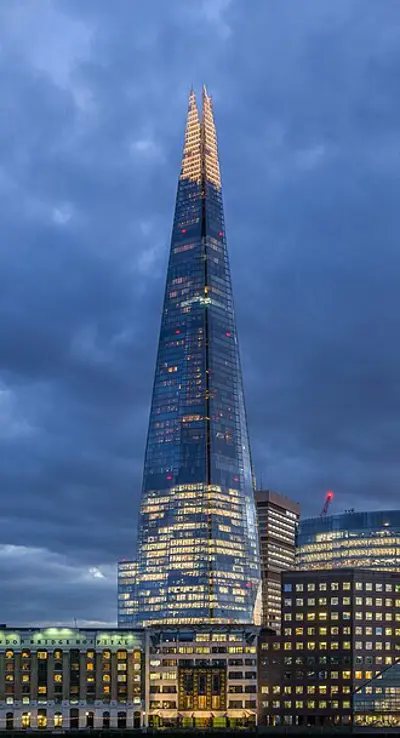
The Shard in London is inaugurated as the tallest building in Europe, with a height of 310 metres (1,020 ft).
The Shard, also referred to as the Shard London Bridge and formerly London Bridge Tower, is a 95-storey mixed-use development supertall pyramid-shaped skyscraper, designed by the …
The Shard in London is inaugurated as the tallest building in Europe, with a height of 310 metres (1,020 ft).

A series of violent riots break out in Ürümqi, the capital city of the Xinjiang Uyghur Autonomous Region in China.
A series of violent riots over several days broke out on 5 July 2009 in Ürümqi, the capital city of the Xinjiang Uyghur Autonomous Region, in northwestern China. The first day's r…
A series of violent riots break out in Ürümqi, the capital city of the Xinjiang Uyghur Autonomous Region in China.
Comments 0
Sign in to join the discussion.