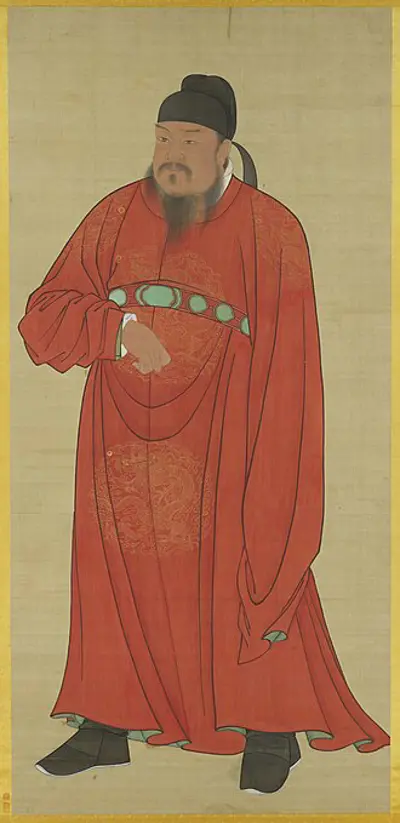
The Battle of Huoyi was fought in China on 8 September 617, between the forces of the rebel Duke of Tang, Li Yuan, and the army of the ruling Sui dynasty. Li Yuan, with an army of around 25,000, was advancing south along the Fen River towards the imperial capital, Daxingcheng. His advance was stalled for two weeks due to heavy rainfall, and he was met at the town of Huoyi by an elite Sui army of 20,000 men. Li Yuan's cavalry, under the command of his two eldest sons, lured the Sui out of the protection of the city walls, but in the first clash between the two main armies, Li Yuan's forces were initially driven back. At that point, possibly due to a stratagem on Li Yuan's behalf, the arrival of the rest of the rebel army, or the flanking maneuver of Li Yuan's cavalry, which had gotten behind the Sui army, the Sui troops collapsed and routed, fleeing back towards Huoyi. Li Yuan's cavalry, however, cut off their retreat. The battle was followed by the capture of weakly defended Huoyi and the advance on Daxingcheng, which fell to the rebels in November. The following year, Li Yuan deposed the Sui and proclaimed himself emperor, beginning the Tang dynasty.
Battle of Huoyi: Li Yuan defeats a Sui dynasty army, opening the path to his capture of the imperial capital Chang'an and the eventual establishment of the Tang dynasty.
On September 8, in the year 617, Battle of Huoyi: Li Yuan defeats a Sui dynasty army, opening the path to his capture of the imperial capital Chang'an and the eventual establishment of the Tang dynasty. This event is recorded as a Historical Events event in the history of September 8, one of 597 recorded events on this date across all of history.
Key Facts
- This event took place on September 8, 617 (AD era).
- It is categorised as a Historical Events event in recorded history.
- Referenced in 5 Wikipedia articles.
- The event is associated with a specific geographical location (see map below).
- Wikipedia source last updated on 20 August 2026.
On This Date in History 597
This article draws on content from Wikipedia, available under CC BY-SA 4.0.
More on September 8
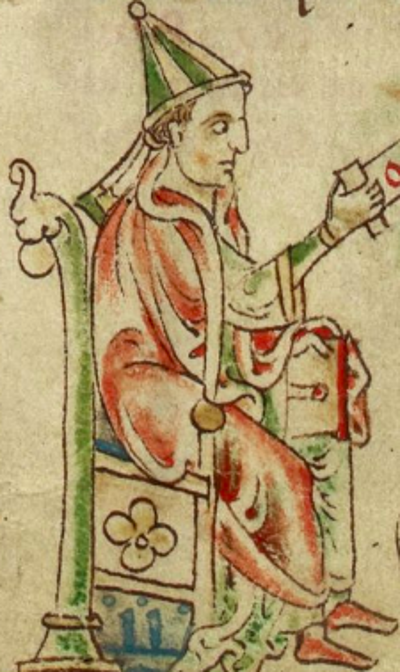
Pope Innocent IV canonises Stanislaus of Szczepanów, who was killed by King Bolesław II.
Pope Innocent IV, born Sinibaldo Fieschi, was head of the Catholic Church and ruler of the Papal States from 25 June 1243 to his death in 1254.
Pope Innocent IV canonises Stanislaus of Szczepanów, who was killed by King Bolesław II.
Philip of Swabia, Prince of Hohenstaufen, is crowned King of Germany (King of the Romans)
Philip of Swabia, styled Philip II in his charters, was a member of the House of Hohenstaufen and King of Germany from 1198 until his assassination.
Philip of Swabia, Prince of Hohenstaufen, is crowned King of Germany (King of the Romans)
Election of Antipope Theodoric.
Theodoric was an antipope in 1100 and 1101, in the schism that began with Wibert of Ravenna in 1080, in opposition to the excesses of Pope Gregory VII and in support of the Empero…
Election of Antipope Theodoric.
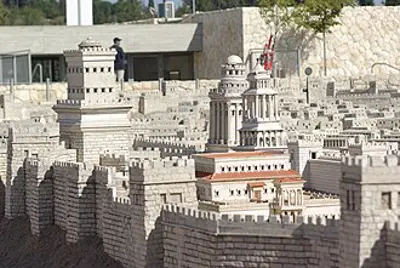
After the capture of Herod's Palace the previous day, a Roman army under Titus secures and plunders the city of…
AD 70 (LXX) was a common year starting on Monday of the Julian calendar. At the time, it was known as the Year of the Consulship of Vespasian and Titus. The denomination AD 70 for…
After the capture of Herod's Palace the previous day, a Roman army under Titus secures and plunders the city of…
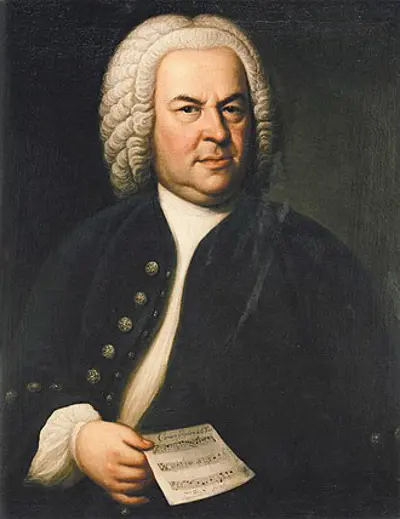
J. S. Bach leads the first performance of Geist und Seele wird verwirret, BWV 35, a solo cantata for alto voice.
Johann Sebastian Bach was a German composer and musician of the late Baroque period. He is known for his prolific output across a variety of instruments and forms, including the o…
J. S. Bach leads the first performance of Geist und Seele wird verwirret, BWV 35, a solo cantata for alto voice.
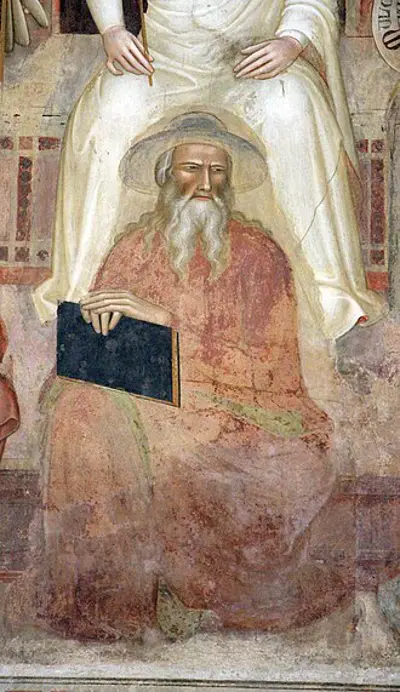
Election of Pope John XXI following the sudden death of pope Hadrian V in the previous month. This was the third papal…
The September 1276 papal election is the only papal election to be the third election held in the same year; after Pope Gregory X died, two successors died that year, requiring ye…
Election of Pope John XXI following the sudden death of pope Hadrian V in the previous month. This was the third papal…
Comments 0
Sign in to join the discussion.