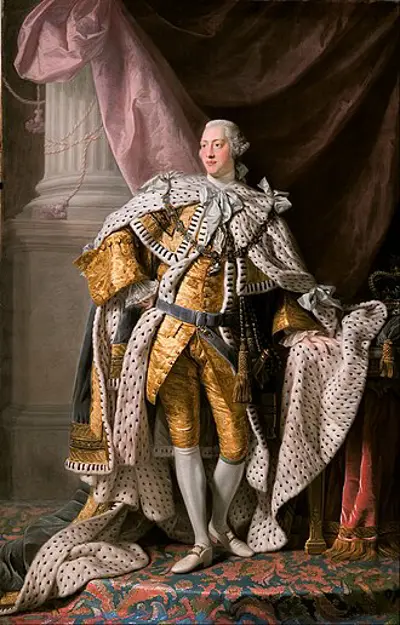
George Louis, Elector of Hanover, became King George I of Great Britain, marking the beginning of the Georgian era.
98 results for “George Edward Dobson” — type: selected (111 ms)
George Louis, Elector of Hanover, became King George I of Great Britain, marking the beginning of the Georgian era.
George III became King of Great Britain and Ireland, succeeding his grandfather George II.
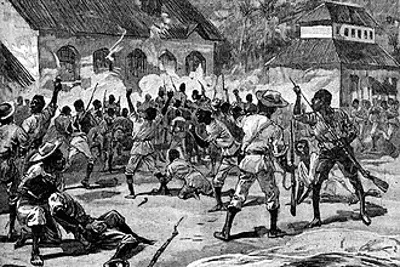
The Morant Bay rebellion, led by Paul Bogle and George William Gordon, began in Jamaica; after protestors burned down the courthouse, it was brutally suppressed by Governor Edward John Eyre.
The first knights of the Order of the Garter, an order of chivalry founded by King Edward III of England, were appointed.
Edward Stafford (pictured), whose father had been beheaded for rebelling against King Richard III of England, was himself executed for treason against King Henry VIII.
Half a year after abdicating the British throne, Edward, Duke of Windsor, married American socialite Wallis Simpson in a private ceremony in France.
Robert Edward Dyer was sentenced to 16 years' imprisonment for conducting a six-month-long letter-bomb campaign against the British supermarket chain Tesco.
Hundred Years' War: The English fleet commanded by Edward III almost completely destroyed the French fleet at the Battle of Sluys.
Edward IV was crowned King of England at Westminster Abbey.
Lady Jane Grey (pictured) was proclaimed the successor to King Edward VI of England, beginning her disputed reign as the "Nine Days' Queen".
King Edward I issued an edict to expel all Jews from England.
First War of Scottish Independence: English forces led by Edward I defeated William Wallace's Scottish troops at the Battle of Falkirk.
Hundred Years' War: A large-scale mounted raid by Anglo-Gascon forces began under the command of Edward the Black Prince.
Second Barons' War: Royal troops led by Prince Edward defeated baronial forces under Simon de Montfort at the Battle of Evesham in Worcestershire, England.
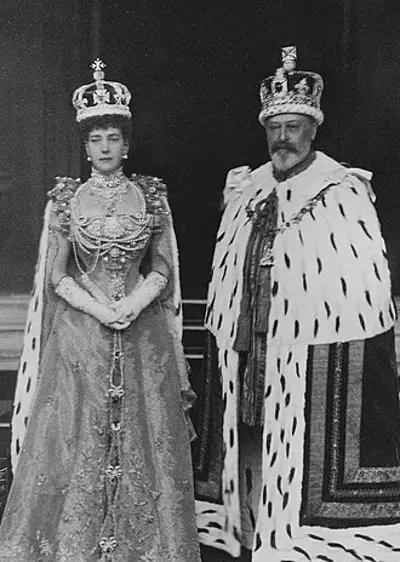
In a ceremony at Westminster Abbey, Edward VII and Alexandra were crowned King and Queen of the United Kingdom and the British Dominions, and Emperor and Empress of India.
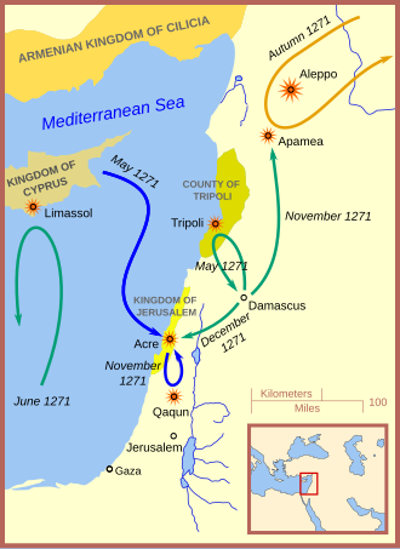
Shortly after his return from the Ninth Crusade, Edward I (pictured) was crowned King of England at Westminster Abbey, nearly two years after his father's death.
Hundred Years' War: Led by King Edward III, a fleet of 50 English ships captured at least 14 Castilian vessels and sank several more at the Battle of Winchelsea.
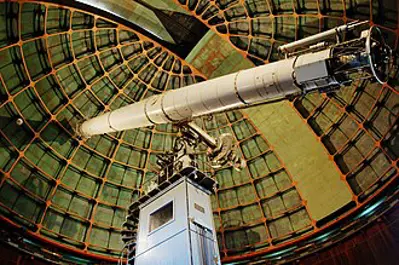
At the Lick Observatory in California, Edward Emerson Barnard discovered Amalthea (pictured), a moon of Jupiter and the last natural satellite to be discovered by visual observation.
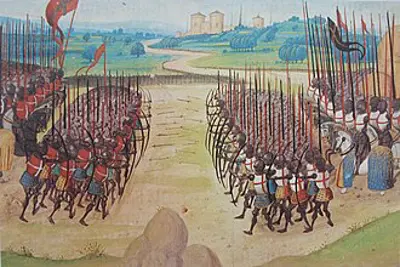
Hundred Years' War: English forces led by Edward the Black Prince decisively won the Battle of Poitiers and captured John II of France.
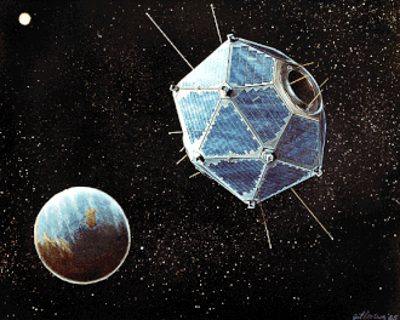
An American Vela satellite detected an unidentified flash of light near the Prince Edward Islands in the Indian Ocean, thought to be a nuclear weapons test.