Hugh Capet is crowned King of France, the first of the Capetian dynasty that would rule France until the French…
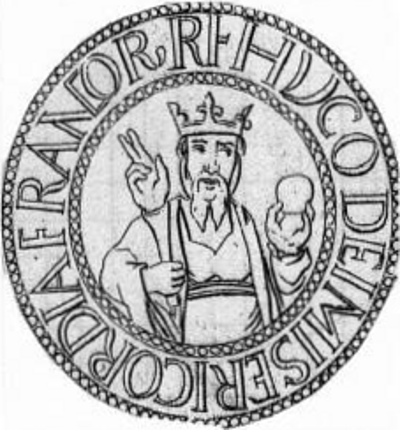
Hugh Capet is crowned King of France, the first of the Capetian dynasty that would rule France until the French Revolution in 1792.
22733 results for “Solomon R. Guggenheim” (2337 ms)
Hugh Capet is crowned King of France, the first of the Capetian dynasty that would rule France until the French Revolution in 1792.
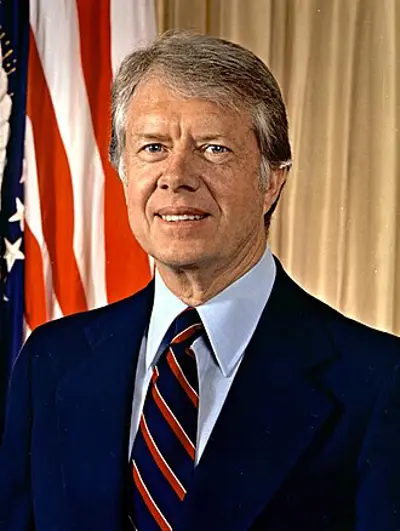
US president Jimmy Carter signed a presidential finding, authorizing covert operations to aid the mujahideen against the Soviet-backed Democratic Republic of Afghanistan.
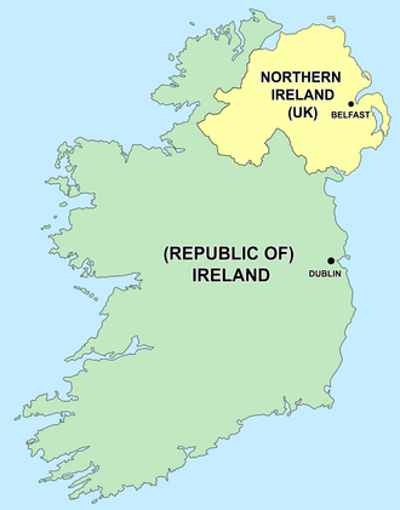
The Troubles: The British Army began the Falls Curfew in Belfast, Northern Ireland, which resulted in greater Irish republican resistance.
Space Shuttle program: Columbia lands at Edwards Air Force Base at the end of the program's final test flight, STS-4. President Ronald Reagan declares the Space Shuttle to be operational.
Barbados, Guyana, Jamaica, and Trinidad and Tobago sign the Treaty of Chaguaramas in Chaguaramas, Trinidad and Tobago establishing the Caribbean Community (CARICOM). It replaces the Caribbean Free Tr�
�he Soviet nuclear-powered submarine K-19 suffers a complete loss of coolant to its reactor. The crew are able to effect repairs, but 22 of them die of radiation poisoning over the following two years.
A massive heat wave strikes the northeastern United States, killing 380 people in eleven days and breaking temperature records in several cities.
�Siege of Vicksburg: The Confederate army in Vicksburg, Mississippi surrenders to Union forces under Ulysses S. Grant after 47 days of siege, contributing to the Union capture of the Mississippi River.
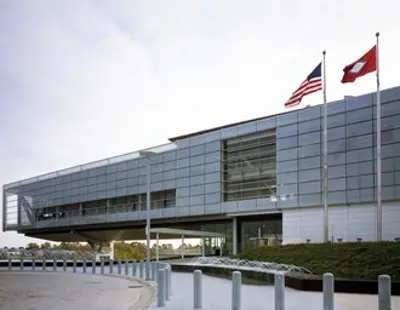
American Civil War: Union forces repulse a Confederate army at the Battle of Helena in Arkansas. The battle thwarts a Rebel attempt to relieve pressure on the besieged city of Vicksburg, and paves th�
Genkō War: Forces loyal to Emperor Go-Daigo seize Tōshō-ji during the Siege of Kamakura. Hōjō Takatoki and other members of the Hōjō clan commit suicide, ending the rule of the Kamakura shogunate.
A supernova, called SN 1054, is seen by Chinese Song dynasty, Arab, and possibly Amerindian observers near the star Zeta Tauri. For several months it remains bright enough to be seen during the day. �
Keir Starmer leads the Labour Party to a landslide victory in the United Kingdom general election, ending fourteen years of Conservative rule.
Four Iranian diplomats were kidnapped after they were stopped at a checkpoint in northern Lebanon by Lebanese Phalange forces; their fates remain unknown.
First English Civil War: Royalist forces defeated the Parliamentarians at the Battle of Burton Bridge, securing a crossing of the River Trent for a convoy of supplies travelling with Queen Henrietta �
The United States Supreme Court gives its United States v. Leon decision providing a good-faith exception from the Fourth Amendment exclusionary rule against use of evidence obtained through defectiv�
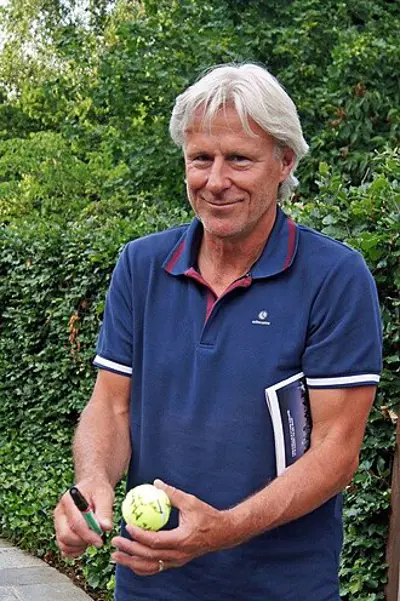
Swedish tennis player Björn Borg wins his fifth Wimbledon final and becomes the first male tennis player to win the championships five times in a row (1976–1980).
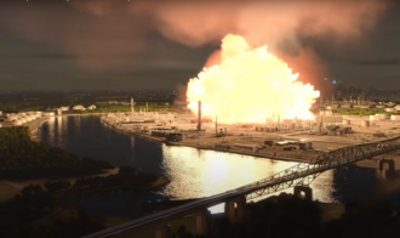
A boiling liquid expanding vapor explosion (BLEVE) in Kingman, Arizona, following a fire that broke out as propane was being transferred from a railroad car to a storage tank, kills eleven firefighte�
The Twenty-sixth Amendment to the United States Constitution, lowering the voting age from 21 to 18 years, is formally certified by President Richard Nixon.
Lê Văn Khôi along with 27 soldiers stage a mutiny taking over the Phiên An citadel, developing into the Lê Văn Khôi revolt against Emperor Minh Mạng.
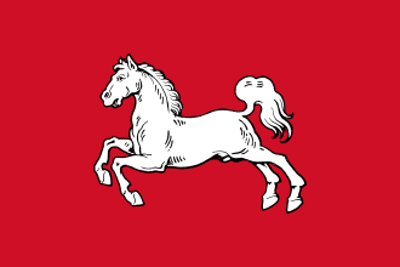
The Convention of Artlenburg is signed, leading to the French occupation of the Electorate of Hanover (which had been ruled by the British king).