1934
Reichskanzler Adolf Hitler becomes Führer of Germany following the death of President Paul von Hindenburg.
Reichskanzler Adolf Hitler becomes Führer of Germany following the death of President Paul von Hindenburg.
528 results for “Karin Guthke, German diver” — type: events (261 ms)
Reichskanzler Adolf Hitler becomes Führer of Germany following the death of President Paul von Hindenburg.

World War I: The German occupation of Luxembourg begins.
World War I: Germany declares war against France, while Romania declares its neutrality.

World War I: The German 12th Army occupies Warsaw during the Gorlice–Tarnów Offensive and the Great Retreat of 1915.
World War I: In response to the German invasion of Belgium, Belgium and the British Empire declare war on Germany. The United States declares its neutrality.
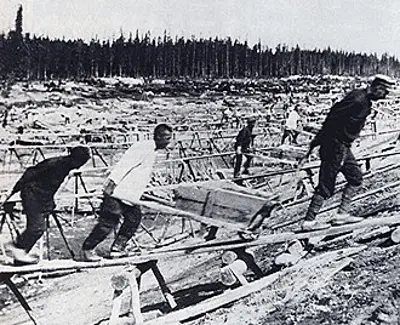
World War II: Polish insurgents liberate a German labor camp (Gęsiówka) in Warsaw, freeing 348 Jewish prisoners.
World War I: The German minelayer SS Königin Luise lays a minefield about 40 miles (64 km) off the Thames Estuary (Lowestoft). She is intercepted and sunk by the British light-cruiser HMS Amphion.
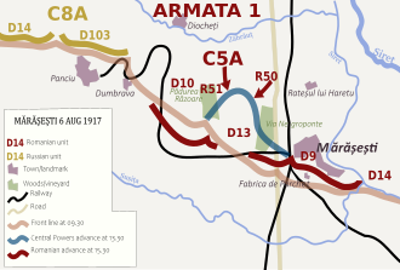
World War I: Battle of Mărășești between the Romanian and German armies begins.
World War I: Serbia declares war on Germany; Austria declares war on Russia.
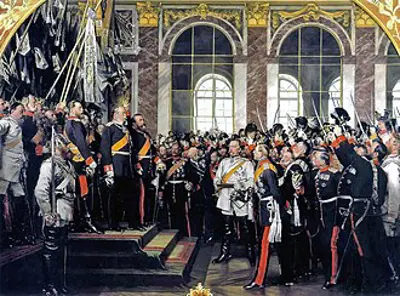
Franco-Prussian War: The Battle of Spicheren is fought, resulting in a German victory.
Franco-Prussian War: The Battle of Wörth results in a decisive German victory.
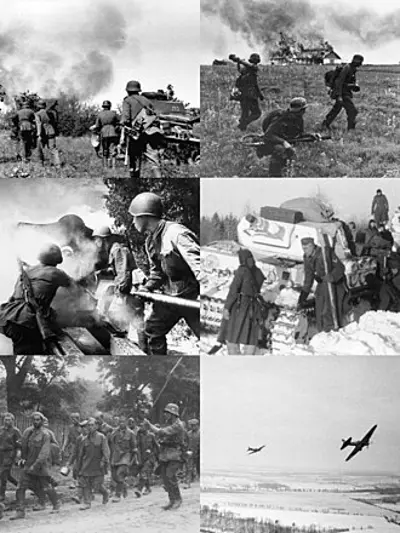
The "Aufbau Ost" directive for the mobilization of German forces for the invasion of the Soviet Union is signed by Wilhelm Keitel.
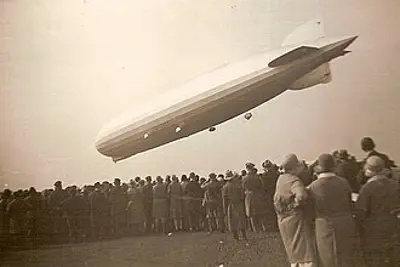
The German airship Graf Zeppelin begins a round-the-world flight.
World War I: The Battle of Amiens begins a string of almost continuous Allied victories with a push through the German front lines (Hundred Days Offensive).
Treaty of Meerssen: King Louis the German and his half-brother Charles the Bald partition the Middle Frankish Kingdom into two larger east and west divisions.
World War II: The Battle of Narva on the Eastern Front ends with a defensive German victory.
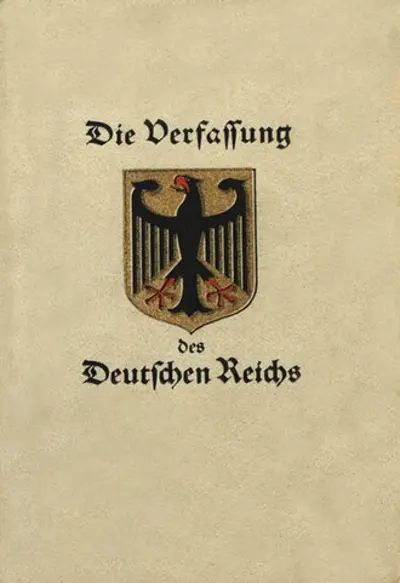
Germany's Weimar Constitution is signed into law.

Nazi German troops end the week-long Wola massacre, during which time at least 40,000 people are killed indiscriminately or in mass executions.
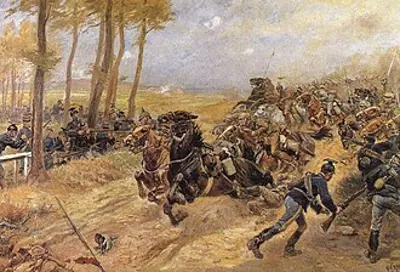
World War I: The Battle of Halen a.k.a. Battle of the Silver Helmets a clash between large Belgian and German cavalry formations at Halen, Belgium.