Second World War: The Grand Quartier Général of the French Army was disbanded, following the French surrender.
3637 results for “A. R. Gurney” — type: selected (2332 ms)
Second World War: The Grand Quartier Général of the French Army was disbanded, following the French surrender.

First World War: The first day of the Battle of Albert, the opening phase of the Battle of the Somme, became the bloodiest day in the British Army's history, with 57,470 casualties, including 19,240 �
Jan van Essen and Hendrik Vos were burnt at the stake in Brussels (pictured), becoming the first Lutherans executed by the Council of Brabant.
A landslide at a jade mine in Hpakant killed 175–200 miners, the deadliest mining accident in Burmese history.
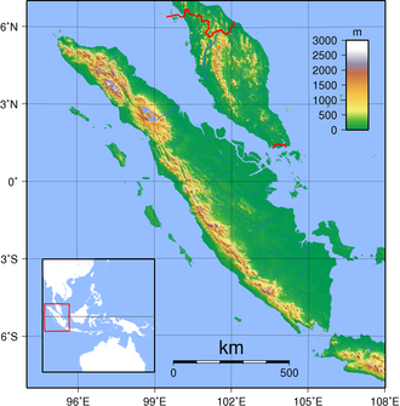
In the Indonesian province of Aceh on the northern end of Sumatra, a Mw 6.1 strike-slip earthquake killed at least 35 people and injured 276 others.
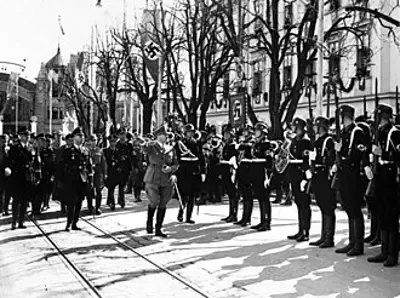
A German SS unit arrived in Vilnius, Lithuania, and began the systematic execution of up to 100,000 people over the next three years.
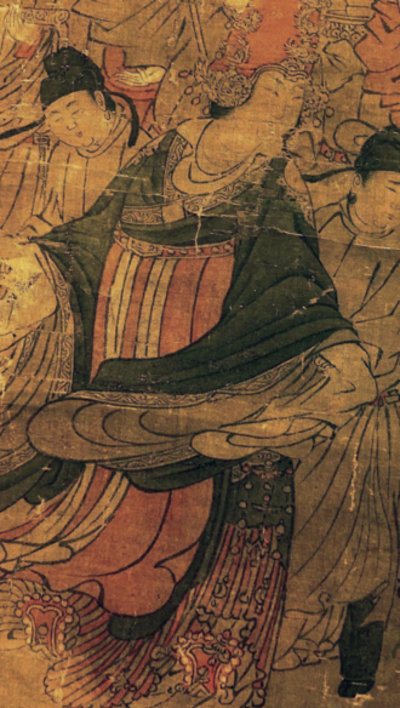
The bodies of Emperor Gaozong of Tang and Empress Wu Zetian were interred in the Qianling Mausoleum.
In Arizona, the Boundary Fire (pictured) burned out after 32 days, burning 17,788 acres (7,199 ha) of the Coconino and Kaibab National Forests.
General Abdel Fattah el-Sisi led a coalition to depose President Mohamed Morsi in a coup d'état in Cairo, suspending the Egyptian Constitution of 2012.
The US Navy warship Vincennes shot down Iran Air Flight 655 over the Persian Gulf, killing all 290 people aboard.
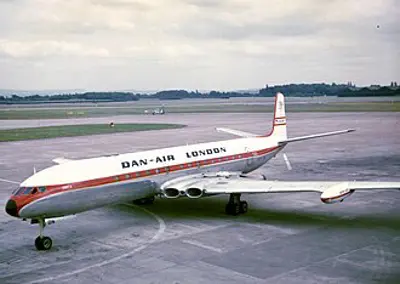
Dan-Air Flight 1903 crashed into the slopes of the Montseny Massif in Catalonia, Spain, killing all 112 people aboard.
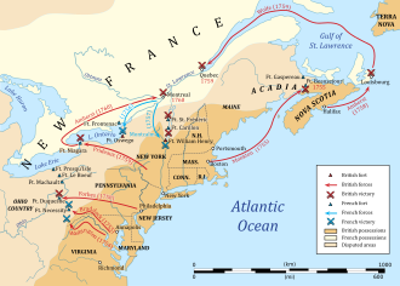
French and Indian War: George Washington surrendered Fort Necessity in Pennsylvania, the only military surrender in his career.
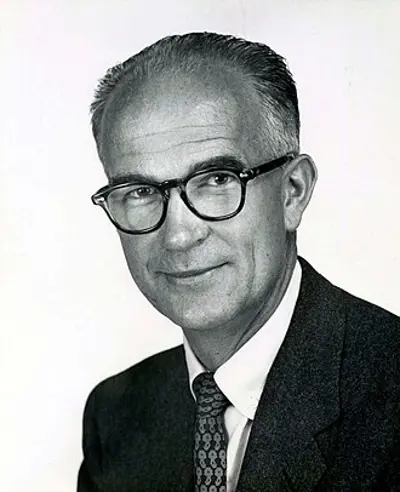
William Shockley announced the invention of the junction transistor, for which he, John Bardeen, and Walter Houser Brattain later won the Nobel Prize in Physics.
The Brazilian cruiser Bahia (pictured) was accidentally sunk by one of its own crewmen, killing more than 300 people.
The aircraft carrying Władysław Sikorski, prime minister of the Polish government-in-exile, crashed off Gibraltar, killing him and fifteen others and leading to several conspiracy theories.
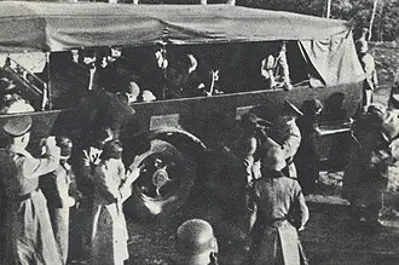
German AB-Aktion in Poland: After capturing Lwów, the Nazis executed professors of the University of Lwów along with their families.
World War I: Allied forces led by the Australian general John Monash won the Battle of Hamel, demonstrating the effectiveness of combined-arms techniques in trench warfare.
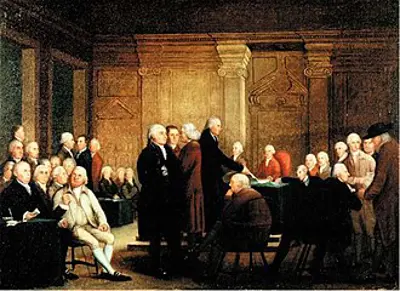
In Philadelphia, the Continental Congress adopted the Declaration of Independence (signing pictured), announcing that the thirteen American colonies were no longer a part of the British Empire.
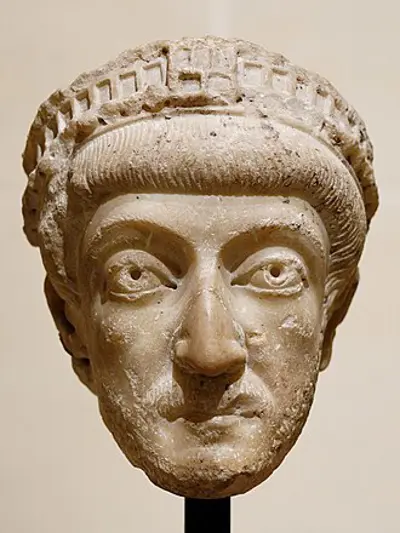
Byzantine emperor Theodosius II proclaimed his elder sister Aelia Pulcheria as Augusta.