1559
Presbyterian clergyman John Knox returned from exile to lead the Scottish Reformation
Presbyterian clergyman John Knox returned from exile to lead the Scottish Reformation.
388 results for “John III of Sweden” — type: selected (328 ms)
Presbyterian clergyman John Knox returned from exile to lead the Scottish Reformation.
The Boydell Shakespeare Gallery, part of a cultural project initiated by engraver John Boydell, opened in London.
Pope Benedict XVI began the beatification process for his predecessor Pope John Paul II, waiving the standard five years required after the nominee's death.
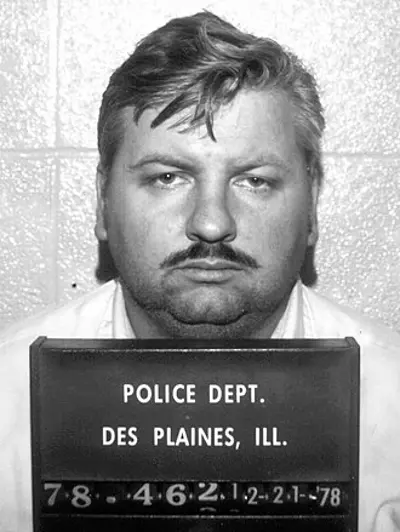
American serial killer John Wayne Gacy was executed by lethal injection for the murders of twelve teenage boys and young men in a series of killings committed between 1972 and 1978.
Juan María Fernández y Krohn attempted to assassinate Pope John Paul II with a bayonet in Fátima, Portugal.

American Civil War: At the Battle of Big Black River Bridge in Mississippi, Union forces under John A. McClernand defeated a Confederate rearguard and captured around 1,700 men.
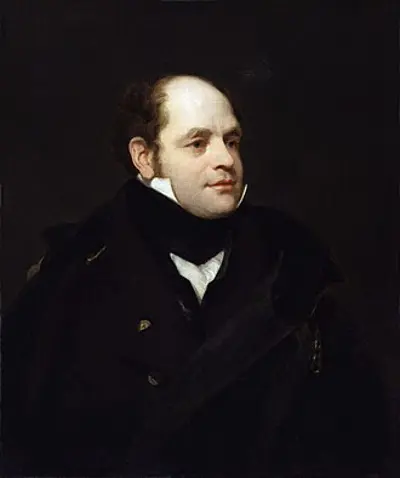
Captain John Franklin (pictured) departed Greenhithe, England, on an expedition to the Canadian Arctic in search of the Northwest Passage; all 129 men were later lost when their ships became icebound�
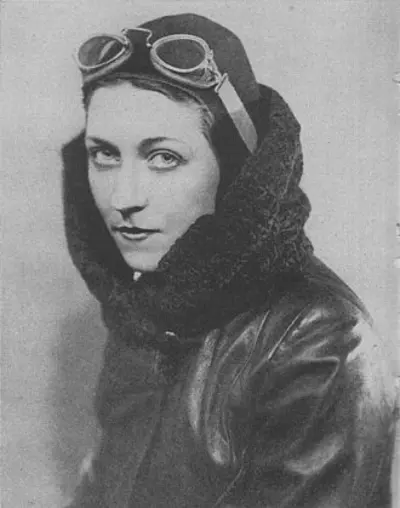
English aviator Amy Johnson landed in Darwin, becoming the first woman to fly solo from England to Australia.
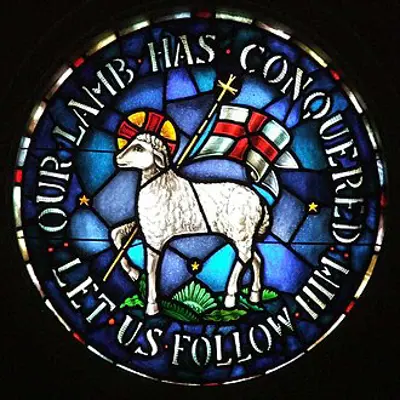
At a Moravian meeting in Aldersgate, London, John Wesley (pictured) experienced a spiritual rebirth, leading him to launch the Methodist movement.
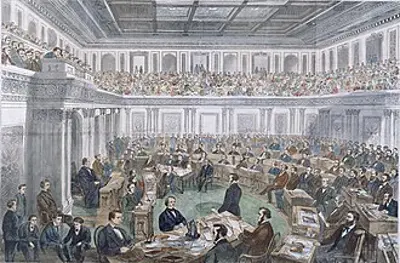
The impeachment trial of Andrew Johnson adjourned after the second and third articles of impeachment did not obtain enough votes from the U.S. Senate to convict.

Scottish-American preservationist John Muir (pictured) founded the environmental organization Sierra Club in California.
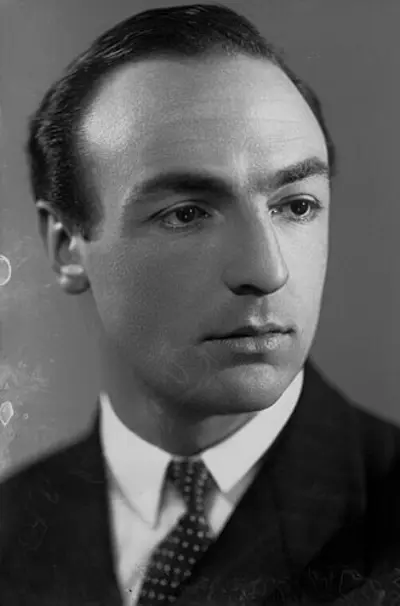
British politician John Profumo admitted that he had lied to the House of Commons about his involvement in a sex scandal with Christine Keeler, and resigned from government.
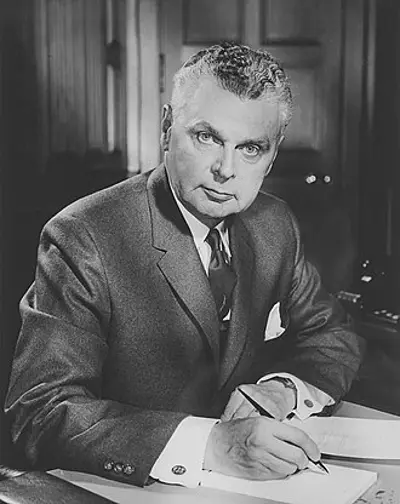
Led by John Diefenbaker (pictured), the Progressive Conservative Party won a plurality of House of Commons seats in the Canadian federal election.
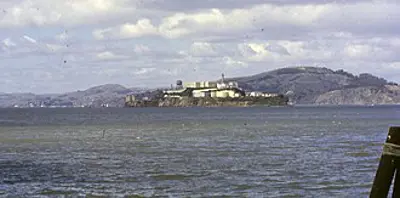
American criminals Clarence Anglin, John Anglin and Frank Morris escaped from Alcatraz Island, one of the United States' most famous prisons.
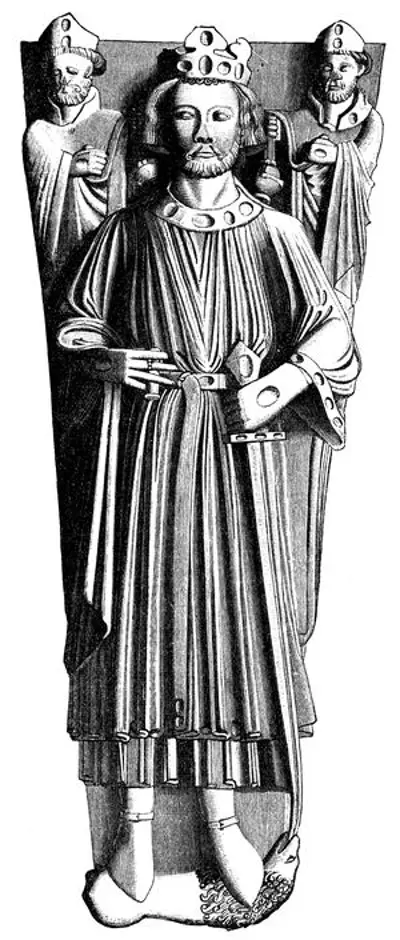
King John of England and a group of rebel barons agreed on the text of Magna Carta, an influential charter of rights.

John Isner defeated Nicolas Mahut at the Wimbledon Championships, concluding the longest match in tennis history, which lasted 11 hours and 5 minutes over three days.
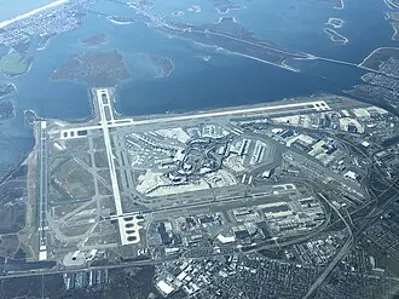
The first flight departed New York City's John F. Kennedy International Airport, then known as New York International Airport.
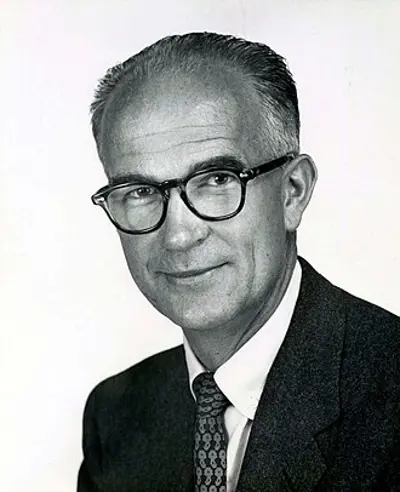
William Shockley announced the invention of the junction transistor, for which he, John Bardeen, and Walter Houser Brattain later won the Nobel Prize in Physics.

World War I: Allied forces led by the Australian general John Monash won the Battle of Hamel, demonstrating the effectiveness of combined-arms techniques in trench warfare.
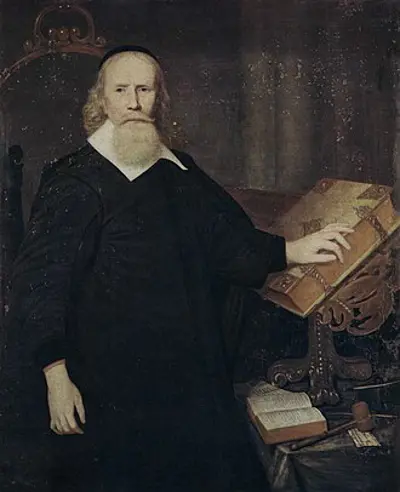
Baptist minister John Clarke (pictured) was granted the Rhode Island Royal Charter, described as the "grandest instrument of human liberty ever constructed".