1815
Edward John Eyre, English explorer and politician, Governor of Jamaica (died 1901)
Edward John Eyre, English explorer and politician, Governor of Jamaica (died 1901)
4604 results for “John III of Sweden” (472 ms)
Edward John Eyre, English explorer and politician, Governor of Jamaica (died 1901)
John Hervey, 2nd Baron Hervey, English courtier and politician, Vice-Chamberlain of the Household (born 1696)
John Ruthven, 3rd Earl of Gowrie, Scottish conspirator (born 1577)
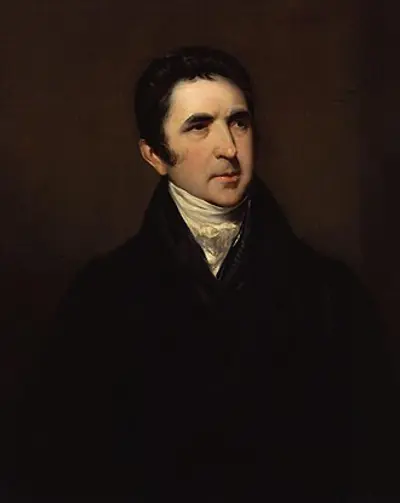
Sir John Barrow, secretary at the Admiralty, rejected a proposal to use Francis Ronalds's electrical telegraph, deeming it "wholly unnecessary".
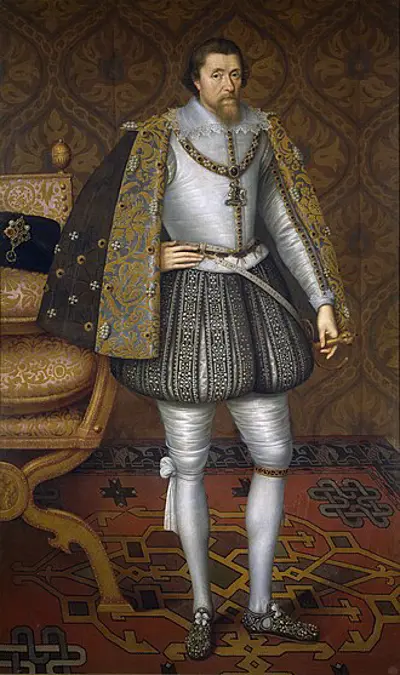
Scottish nobleman John Ruthven, 3rd Earl of Gowrie, was killed during what was most likely a failed attempt to kidnap King James VI.
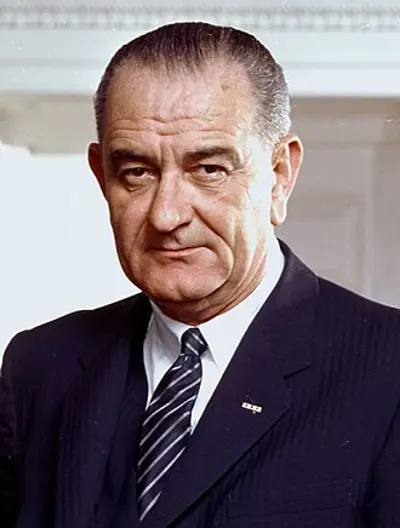
US President Lyndon B. Johnson signs the Voting Rights Act of 1965 into law.
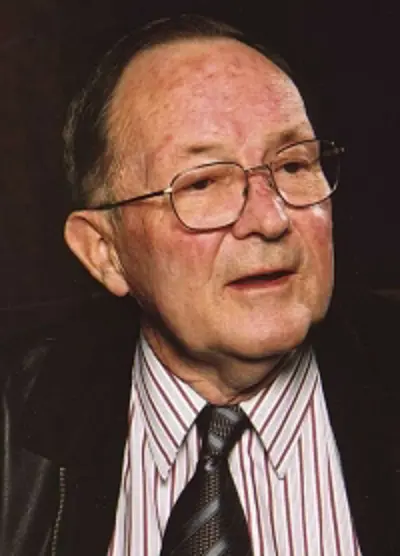
Chalmers Johnson, American scholar and author (died 2010)
John Middleton Murry, English poet and author (died 1957)
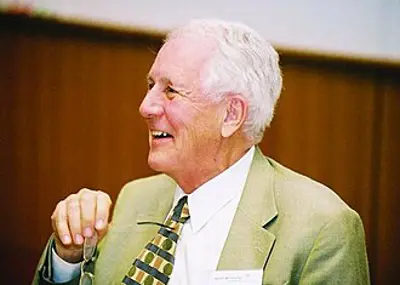
John Woodland Hastings, American biochemist and academic (born 1927)
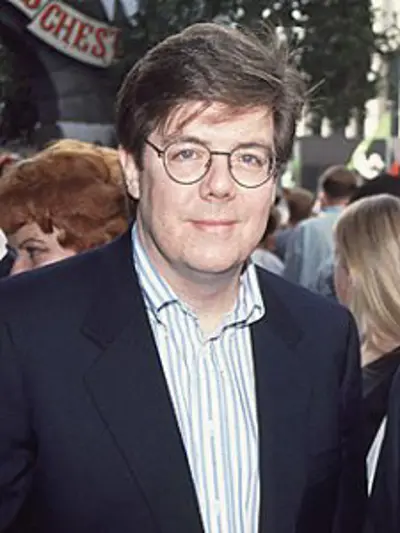
John Hughes, American director, producer, and screenwriter (born 1950)
Hiram Johnson, American lawyer and politician, 23rd Governor of California (born 1866)
John Mason Neale, English priest, scholar, and hymnwriter (born 1818)
John Snell, Scottish-English soldier and philanthropist, founded the Snell Exhibition (born 1629)
U.S. president Lyndon B. Johnson signed the Voting Rights Act into law, outlawing literacy tests and other discriminatory voting practices that had been responsible for the widespread disfranchisement�

Vietnam War: The U.S. Congress passes the Gulf of Tonkin Resolution giving U.S. President Lyndon B. Johnson broad war powers to deal with North Vietnamese attacks on American forces.
Eric Johnson, American actor, director, and screenwriter
John Birmingham, English-Australian journalist and author