Watergate scandal: U
Watergate scandal: U.S. President Richard M. Nixon and White House Chief of Staff H. R. Haldeman are taped talking about illegally using the Central Intelligence Agency to obstruct the Federal Bureau�
10503 results for “A. W. Mailvaganam” — type: events (2219 ms)
Watergate scandal: U.S. President Richard M. Nixon and White House Chief of Staff H. R. Haldeman are taped talking about illegally using the Central Intelligence Agency to obstruct the Federal Bureau�
First meeting of the Westminster Assembly, a council of theologians ("divines") and members of the Parliament of England appointed to restructure the Church of England, at Westminster Abbey in London.
Watergate scandal: The United States Supreme Court unanimously ruled that President Richard Nixon did not have the authority to withhold subpoenaed White House tapes and they order him to surrender t�
Vietnam War: U.S. President Richard Nixon declares the Nixon Doctrine, stating that the United States now expects its Asian allies to take care of their own military defense. This is the start of the�
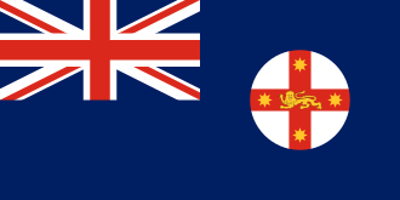
A low-pressure system that redeveloped off the New South Wales coast dumps a record 328 millimeters (13 inches) of rain in a day on Sydney, New South Wales, Australia.
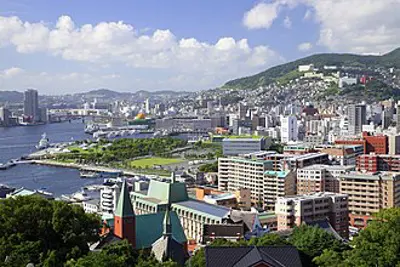
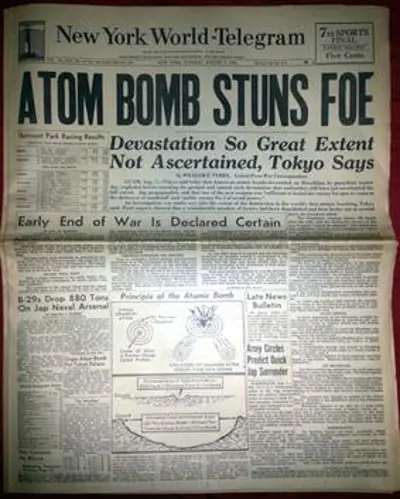
World War II: Nagasaki is devastated when an atomic bomb, Fat Man, is dropped by the United States B-29 Bockscar. Thirty-five thousand people are killed outright, including 23,200–28,200 Japanese war�
Vietnam War: Operation Starlite begins: United States Marines destroy a Viet Cong stronghold on the Van Tuong peninsula in the first major American ground battle of the war.
Cold War: Warsaw Pact troops invade Czechoslovakia, crushing the Prague Spring. East German participation is limited to a few specialists due to memories of the recent war. Only Albania and Romania r�
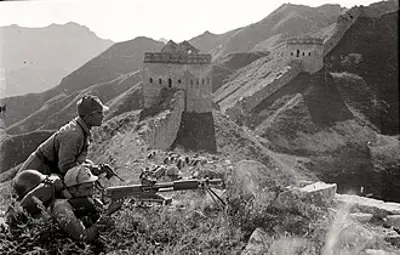
World War II: The Eighth Route Army launches the Hundred Regiments Offensive, a successful campaign to disrupt Japanese war infrastructure and logistics in occupied northern China.
War of 1812: On the second day of the Burning of Washington, British troops torch the Library of Congress, United States Treasury, Department of War, and other public buildings.
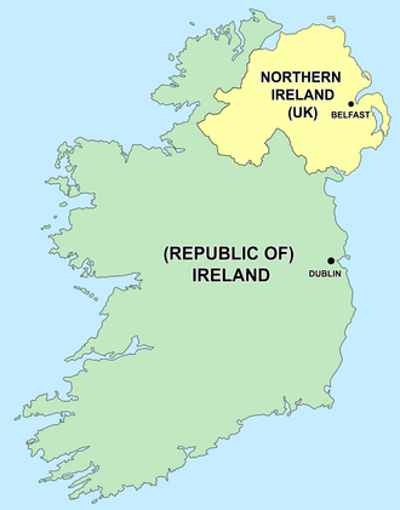
The Troubles: Eighteen British soldiers are killed at the Warrenpoint ambush by the Provisional Irish Republican Army near Warrenpoint, Northern Ireland, in the deadliest attack on British forces dur�
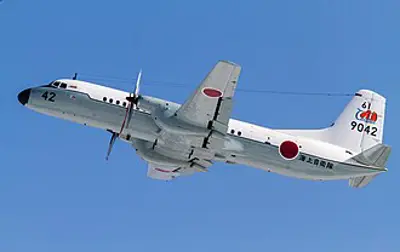
Japan conducts a test of the NAMC YS-11, its first aircraft since World War II and its only successful commercial aircraft from before or after the war.
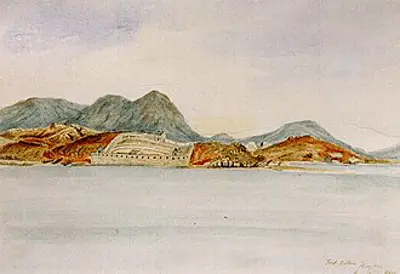
Battle of Kowloon: British vessels open fire on Chinese war junks enforcing a food sales embargo on the British community in China in the first armed conflict of the First Opium War.
American journalists Herbert R. Ekins, reporter for the New York World-Telegram, Dorothy Kilgallen of the New York Journal and Leo Kieran of The New York Times start the race to travel around the wor�
�ssinated by the September 30 Movement at Lubang Buaya, East Jakarta. In addition, two more officers were killed in Yogyakarta. The Army pinned the murders to the Communist Party of Indonesia, resultin�
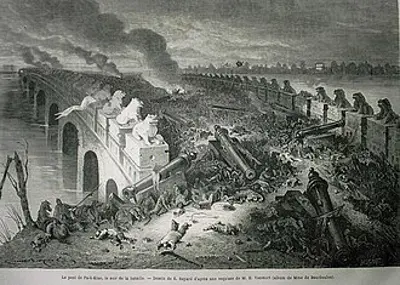
Second Opium War: Dissatisfied with imperial commissioner Ye Mingchen's reparations for the alleged slighting of a British-owned vessel and at Consul Harry Parkes's urging, British Rear-Admiral Micha�
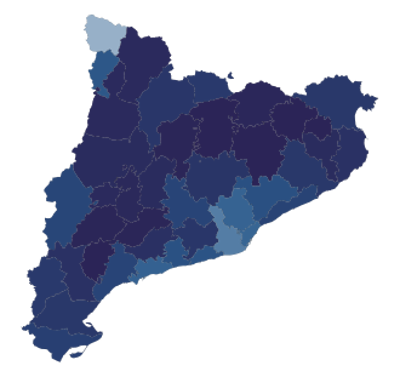
A non-binding self-determination consultation is held in Catalonia, asking Catalan citizens their opinion on whether Catalonia should become a state and, if so, whether it should be an independent st�
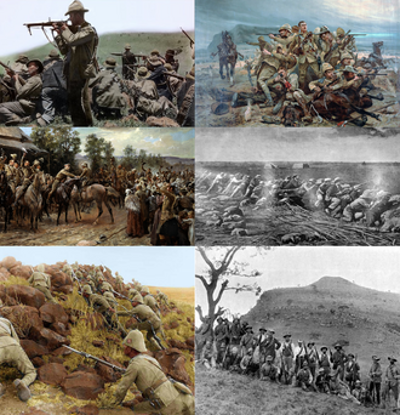
Second Boer War: Battle of Chieveley, a British armored train is ambushed and partially derailed. British lose the battle, with 80 soldiers captured, along with war correspondent Winston Churchill.
World War I: Battle of Jutland: The British Grand Fleet engages the High Seas Fleet in the largest naval battle of the war, which proves indecisive.
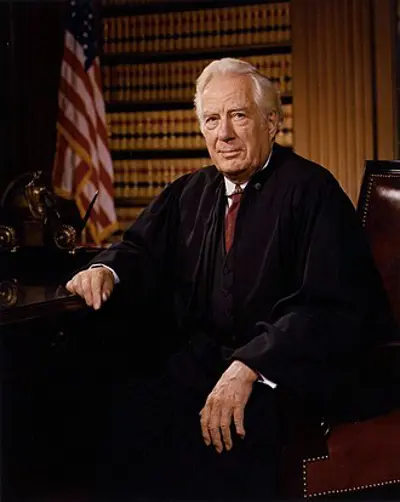
Warren E. Burger is sworn in as Chief Justice of the United States Supreme Court by retiring Chief Justice Earl Warren.