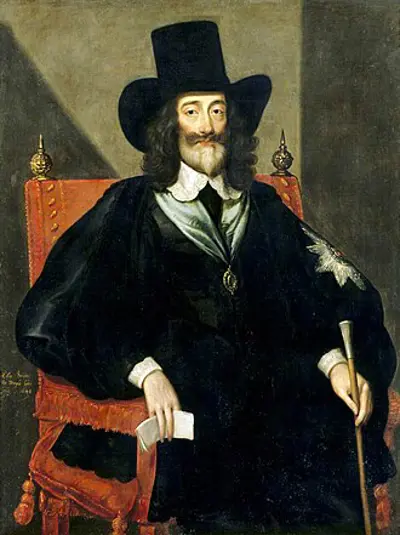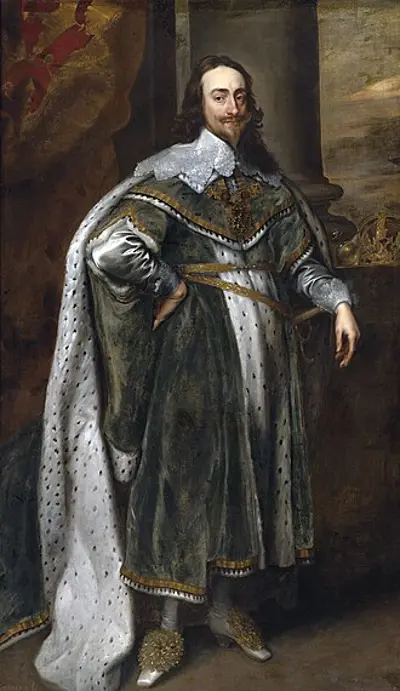
King Charles I raised the royal standard at Nottingham, marking the beginning of the First English Civil War.
549 results for “Roy Campanella” (68 ms)
King Charles I raised the royal standard at Nottingham, marking the beginning of the First English Civil War.

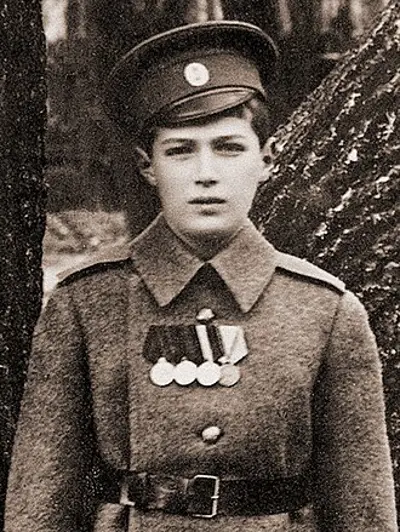
The skeletal remains of Russia's last royal family members Alexei Nikolaevich, Tsarevich of Russia, and his sister Grand Duchess Anastasia are discovered near Yekaterinburg, Russia.
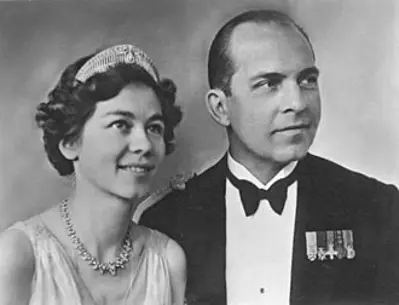
The Cruise of the Kings, a royal cruise organised by the Queen Consort of Greece, Frederica of Hanover, departs from Marseille, France.
Roy Strong, English historian, curator, and author
Roy Agnew, Australian pianist and composer (died 1944)
Paul Royle, Australian lieutenant and pilot (born 1914)
Lady Amelia Windsor, member of the British royal family
Richard Weymouth, British Royal Navy commander (born 1780/81)
The Royal Navy's R.38, the world's largest airship at the time, was destroyed by a structural failure over Hull, killing 44 of the 49 crew aboard.
World War II: The first Bombing of Berlin by the British Royal Air Force.
The Honourable Artillery Company, now the oldest surviving regiment in the British Army, was granted a royal charter by Henry VIII.
World War I: Battle of Étreux: A British rearguard action by the Royal Munster Fusiliers during the Great Retreat.
Napoleonic Wars: The French Navy defeats the British Royal Navy, preventing them from taking the harbour of Grand Port on Île de France.
Charles Rolls, English engineer and businessman, co-founded Rolls-Royce Limited (died 1910)
Napoleonic Wars: The French Navy defeated the Royal Navy, preventing them from capturing the harbour of Grand Port on Mauritius.
World War I: The Royal Navy defeats the German fleet in the Battle of Heligoland Bight.
The Slavery Abolition Act 1833 receives royal assent, making the purchase or ownership of slaves illegal in the British Empire with exceptions.
Napoleonic Wars: The French Navy accepts the surrender of a British Royal Navy fleet at the Battle of Grand Port.
Second English Civil War: The Siege of Colchester ends when Royalist Forces surrender to the Parliamentary Forces after eleven weeks.