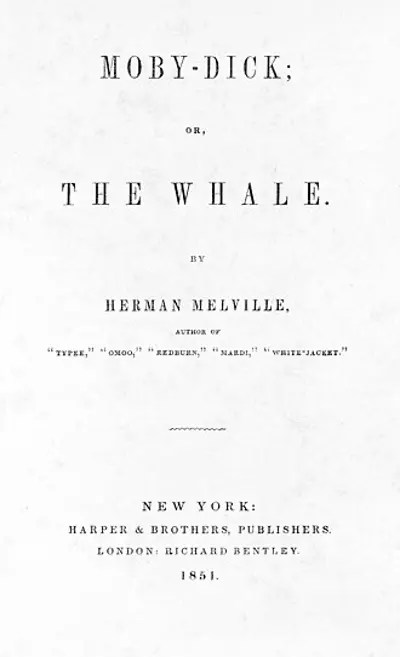
1851
Moby-Dick, a novel by American writer Herman Melville (pictured), was first published in the United States.
Moby-Dick, a novel by American writer Herman Melville (pictured), was first published in the United States.
390 results for “Andrew Anderson, American bowler” — type: selected (0 ms)
Moby-Dick, a novel by American writer Herman Melville (pictured), was first published in the United States.
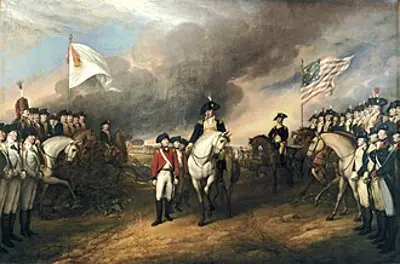
American Revolutionary War: Fort Washington on Manhattan was captured from the Patriots by British and Hessian units.
NBC controversially cut away from an American football game between the Oakland Raiders and New York Jets to broadcast Heidi, causing viewers in the Eastern United States to miss the game's dramatic e�

American suffragist Susan B. Anthony (pictured) was arrested and later fined $100 for having voted in the presidential election two weeks earlier.

"The Celebrated Jumping Frog of Calaveras County" was published, becoming the first great success of American author Mark Twain.
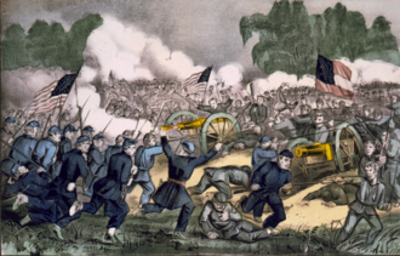
American Civil War: U.S. president Abraham Lincoln delivered the Gettysburg Address at the dedication of the Soldiers' National Cemetery in Gettysburg, Pennsylvania.
American Civil War: Confederate forces began the Siege of Knoxville against Union fortifications.
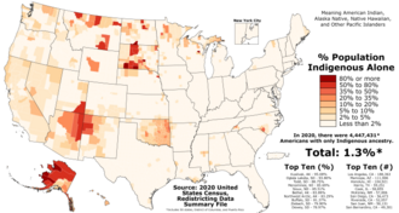
A group of Native American activists began a 19-month occupation (graffiti pictured) of Alcatraz Island in San Francisco Bay.

The American whaleship Essex sank 2,000 nautical miles (3,700 km) west of the western coast of South America after it was attacked by a sperm whale, an event which inspired the novel Moby-Dick.
American Revolutionary War: The Battle of Fort Lee saw the invasion of New Jersey by British and Hessian forces and the subsequent general retreat of the Continental Army.

American disc jockey Alan Freed (pictured), who popularized the term rock and roll, was fired from WABC-AM for his role in the payola scandal.
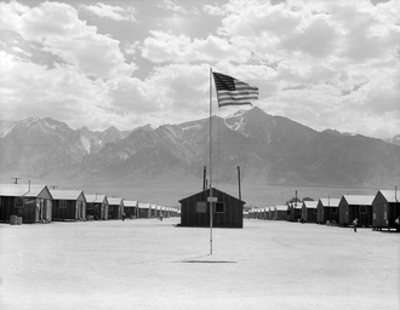
Manzanar (pictured), a camp in California for the internment of Japanese Americans during World War II, was closed.
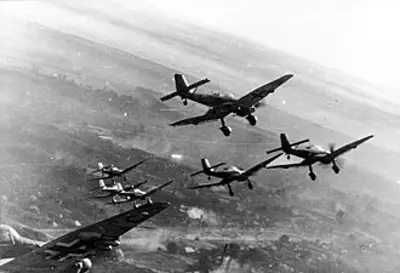
World War II: Following the American capture of Makin Atoll, USS Liscome Bay was sunk by a torpedo from Japanese submarine I-175, killing 644.
American Civil War: Union forces captured Lookout Mountain, helping them break the Confederate siege of Chattanooga, Tennessee.
American Civil War: Confederate forces were defeated at the Battle of Missionary Ridge in Chattanooga, Tennessee, opening the door to the Union's invasion of the Deep South.
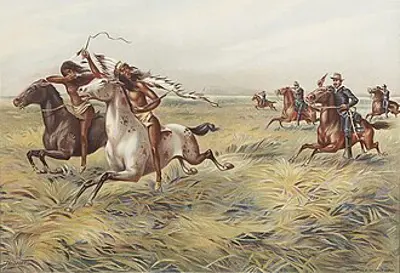
American Indian Wars: George Armstrong Custer's 7th U.S. Cavalry attacked the encampment of Chief Black Kettle and the Cheyenne on the Washita River near present-day Cheyenne, Oklahoma.
American Revolutionary War: British reinforcements brought an end to the Patriot attempt to capture Fort Cumberland in Nova Scotia.

Minas Geraes (pictured), the first of three Brazilian dreadnought battleships, was laid down, sparking a vastly expensive South American naval arms race with Argentina and Chile.
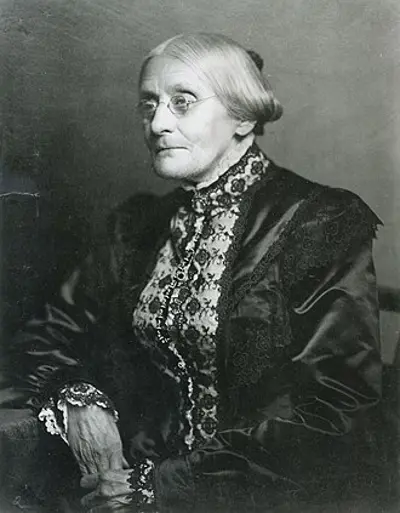
Susan B. Anthony and Elizabeth Cady Stanton founded the National Woman Suffrage Association, breaking away from the American Equal Rights Association which they had also previously founded.

The United States Congress passed the largest tariff in the nation's history, which resulted in severe economic hardship in the American South.