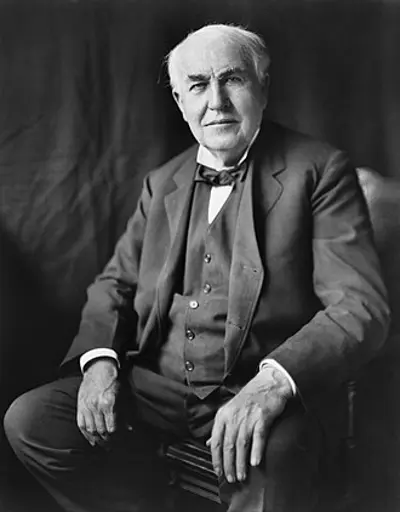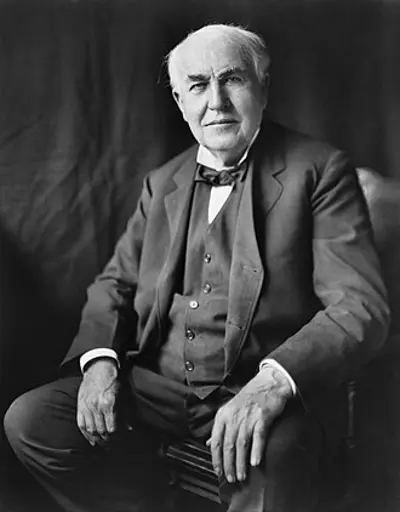
Thomas Edison was granted a patent for the Kinetoscope (pictured), a precursor to the modern movie projector.
43 results for “Thomas Ford (composer)” — type: selected (177 ms)
Thomas Edison was granted a patent for the Kinetoscope (pictured), a precursor to the modern movie projector.

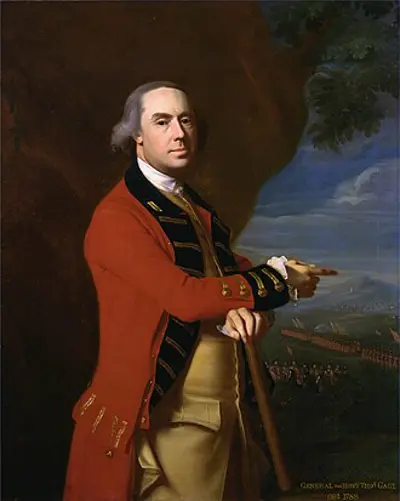
Under orders from Governor Thomas Gage, British soldiers removed gunpowder from a magazine in the Province of Massachusetts Bay, which caused Patriots to prepare for war.
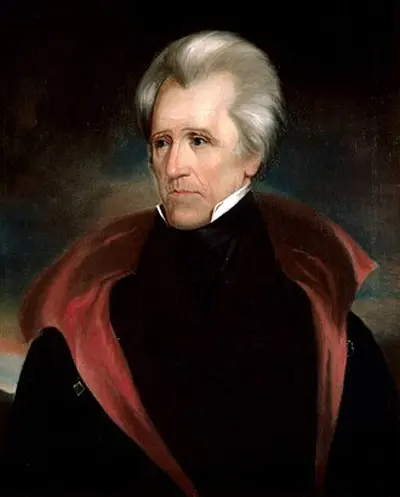
Future US President Andrew Jackson was shot and severely injured in a tavern brawl with future US Senator Thomas Hart Benton.
The British travel company Thomas Cook Group ceased operations with immediate effect, leaving around 600,000 tourists stranded around the world.
Approximately 400 workers completed the 60-foot (18 m) busts of U.S. presidents George Washington, Thomas Jefferson, Theodore Roosevelt, and Abraham Lincoln at Mount Rushmore in South Dakota.
Thomas Edison announced his invention of the phonograph, a device able to record and play sound.
The U.S. National Highway Traffic Safety Administration initiated an investigation into the alleged vulnerability of the Ford Pinto (example pictured) to fuel leakage and fire in a rear-end collision.
"Advance Australia Fair", written by Scottish-born composer Peter Dodds McCormick, officially replaced "God Save the Queen" as Australia's national anthem.
German composer Max Bruch (pictured) conducted the premiere of his first violin concerto, which later became his most famous work.
French composer Claude Joseph Rouget de Lisle wrote "La Marseillaise", now the national anthem of France.
Italian composer Claudio Monteverdi debuted his second opera L'Arianna, now one of his lost works, at a royal wedding in Mantua.
English composer Benjamin Britten's one-act opera Noye's Fludde was premiered at the Aldeburgh Festival.
Giselle (title role pictured), a ballet by the French composer Adolphe Adam, was first performed at the Théâtre de l'Académie Royale de Musique in Paris.
Max Reger's Hebbel Requiem was first performed in a memorial concert for the composer, conducted by Philipp Wolfrum.
Das Rheingold, the first of four operas in Der Ring des Nibelungen by the German composer Richard Wagner (pictured), was first performed in Munich.
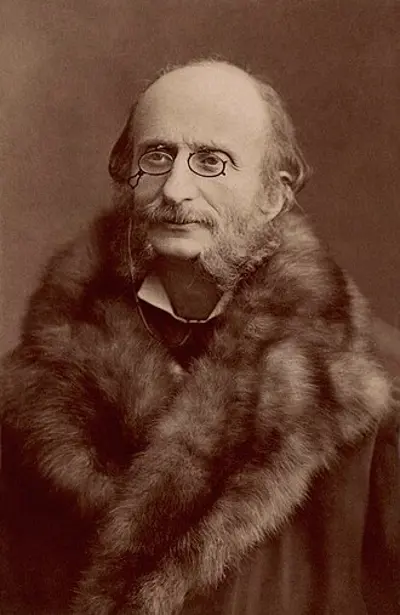
French composer Jacques Offenbach's operetta Orpheus in the Underworld, featuring the music most associated with the can-can (audio featured), was first performed at the Théâtre des Bouffes-Parisiens�
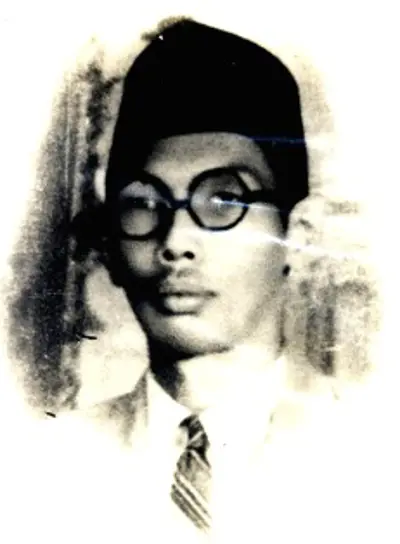
Indonesian composer Wage Rudolf Supratman introduced "Indonesia Raya", now the country's national anthem.
Hale–Bopp, one of the most widely observed comets of the 20th century, was independently discovered by astronomers Alan Hale and Thomas Bopp.
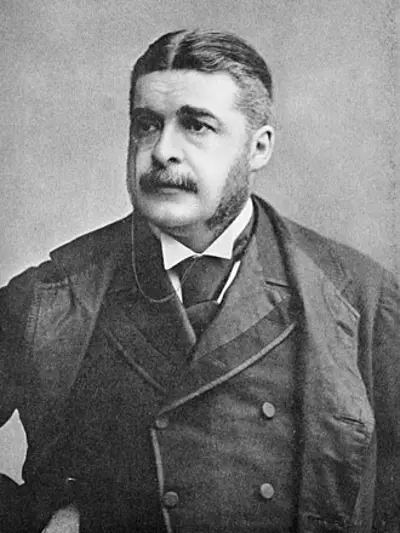
One of the first recordings of music, of Arthur Sullivan's "The Lost Chord", was played at a press conference in London to introduce Thomas Edison's phonograph.
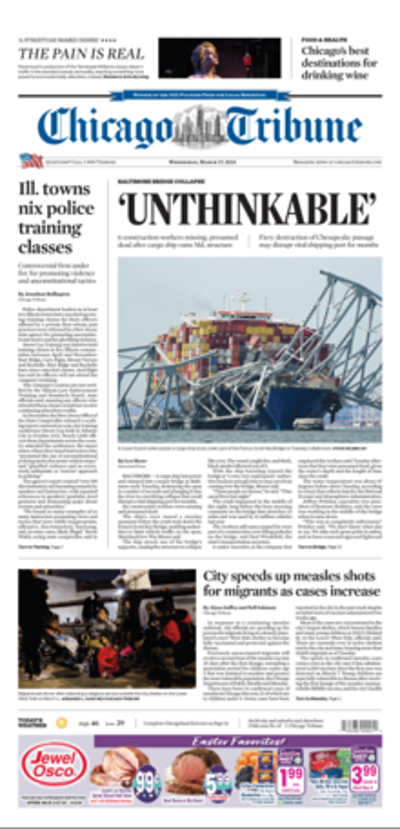
�man" (pictured) in its early morning edition shortly after incumbent U.S. president Harry S. Truman officially upset the heavily favored governor of New York Thomas Dewey in the presidential election.