1828
U
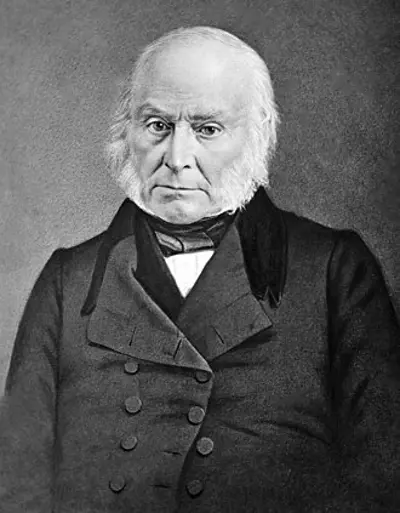
U.S. President John Quincy Adams signs the Tariff of 1828 into law, sparking outrage in the South and leading to the Nullification crisis.
4751 results for “Pope Gelasius I” — type: events (794 ms)
U.S. President John Quincy Adams signs the Tariff of 1828 into law, sparking outrage in the South and leading to the Nullification crisis.
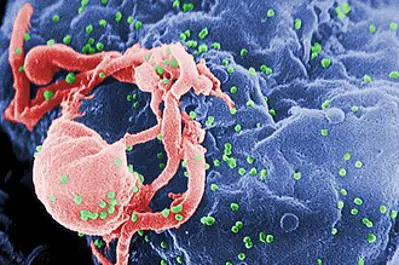
First publications of the discovery of the HIV virus that causes AIDS in the journal Science by a team of French scientists including Françoise Barré-Sinoussi, Jean-Claude Chermann, and Luc Montagnier�
Church Street bombing: A car bomb planted by UMkhonto we Sizwe explodes on Church Street in South Africa's capital, Pretoria, killing 19 people and injuring 217 others.
In a referendum in Quebec, the population rejects, with 60% of the vote, a government proposal to move towards independence from Canada.
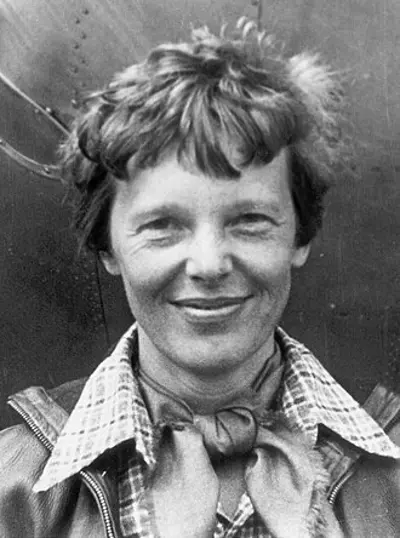
Amelia Earhart takes off from Newfoundland to begin the world's first solo nonstop flight across the Atlantic Ocean by a female pilot, landing in Ireland the next day.
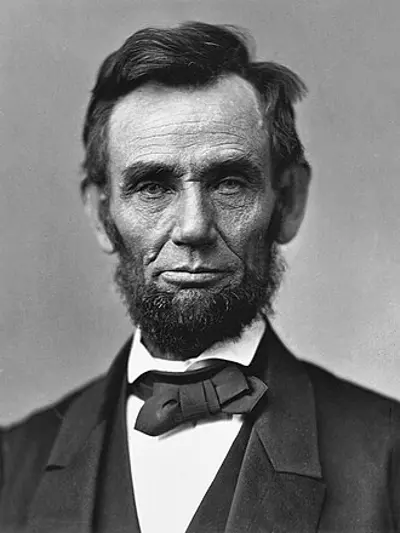
U.S. President Abraham Lincoln signs the Homestead Act into law, opening eighty-four million acres (340,000 km2) of public land to settlers.
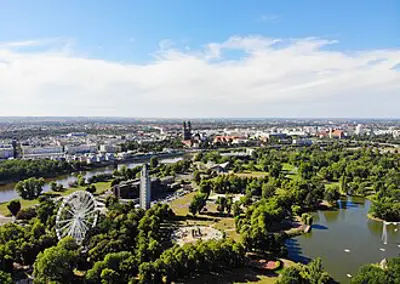
The city of Magdeburg in Germany is seized by forces of the Holy Roman Empire and most of its inhabitants massacred, in one of the bloodiest incidents of the Thirty Years' War.

The 6.8 Mw Boumerdès earthquake shakes northern Algeria with a maximum Mercalli intensity of X (Extreme). More than 2,200 people were killed and a moderate tsunami sank boats at the Balearic Islands.
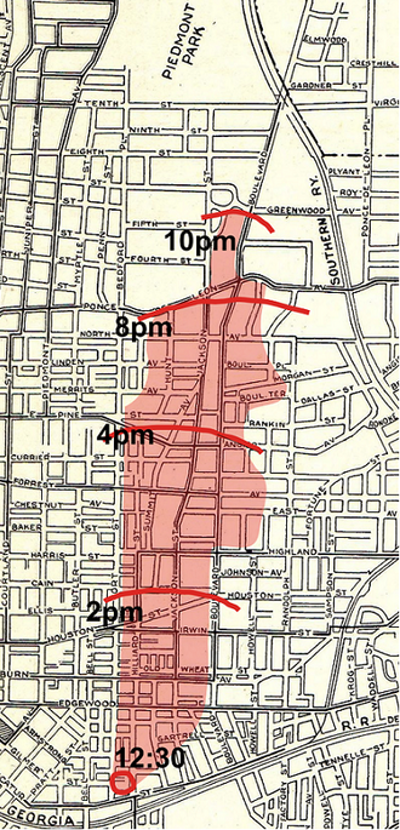
The Great Atlanta fire of 1917 causes $5.5 million in damages, destroying some 300 acres including 2,000 homes, businesses and churches, displacing about 10,000 people but leading to only one fatality�
President of Mexico Porfirio Díaz and the revolutionary Francisco Madero sign the Treaty of Ciudad Juárez to put an end to the fighting between the forces of both men, concluding the initial phase of�
The Order of St. Alexander Nevsky is instituted in Russia by Empress Catherine I. It would later be discontinued and then reinstated by the Soviet government in 1942 as the Order of Alexander Nevsky.
The Battle of Long Sault concludes after five days in which French colonial militia, with their Huron and Algonquin allies, are defeated by the Iroquois Confederacy.
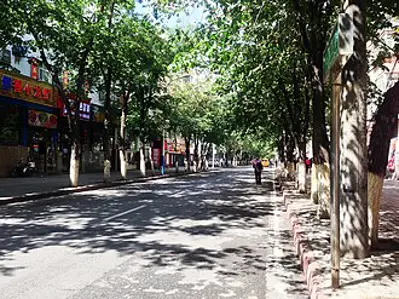
An explosion occurs in Ürümqi, capital of China's far-western Xinjiang region, resulting in at least 43 deaths and 91 injuries.
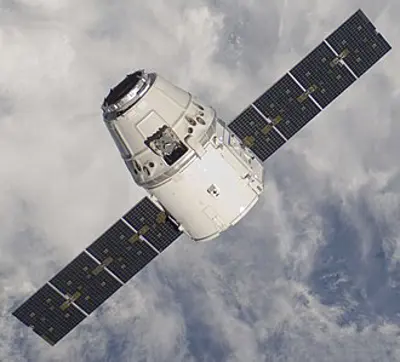
SpaceX COTS Demo Flight 2 launches a Dragon capsule on a Falcon 9 rocket in the first commercial flight to the International Space Station.
A U.S. federal judge rules that U.S. Secret Service agents can be compelled to testify before a grand jury concerning the Lewinsky scandal involving President Bill Clinton.
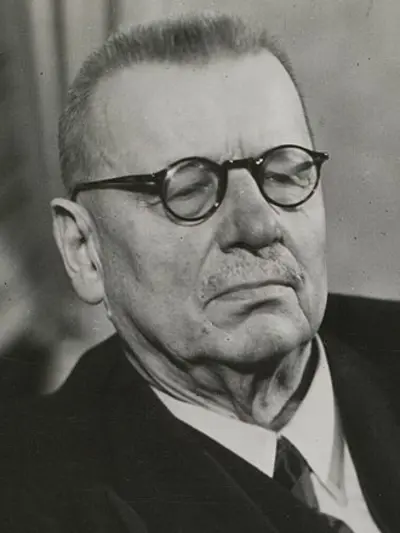
Finnish President J. K. Paasikivi releases Yrjö Leino from his duties as interior minister after the Finnish parliament adopted a motion of censure of Leino with connection to his illegal handing over�
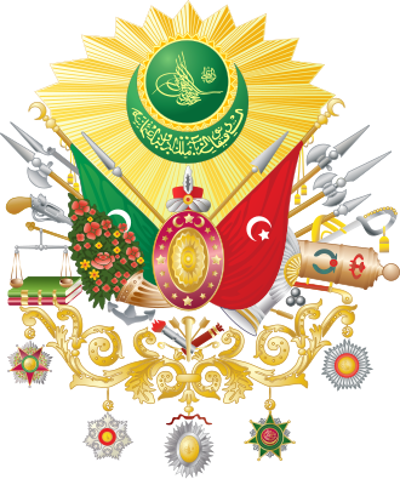
The Sultan of the Ottoman Empire Abdul Hamid II establishes the Ullah millet for the Aromanians of the empire. For this reason, the Aromanian National Day is sometimes celebrated on this day, although�
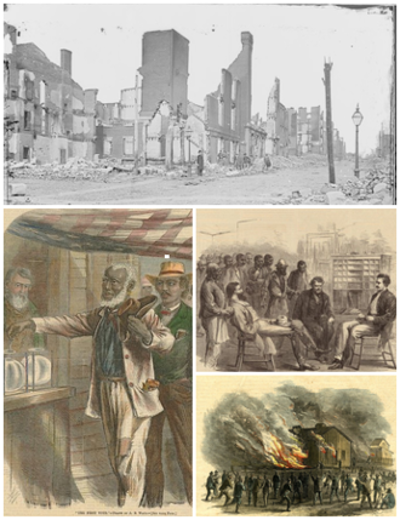
Reconstruction Era: President Ulysses S. Grant signs the Amnesty Act into law, restoring full civil and political rights to all but about 500 Confederate sympathizers.
Future U.S. President Abraham Lincoln is issued a patent for an invention to lift boats, making him the only U.S. president to ever hold a patent.
Eight bombings are carried out by the Islamic State of Iraq and Syria in Jableh and Tartus, coastline cities in Syria. One hundred eighty-four people are killed and at least 200 people injured.