The Sedition Act of 1918 is passed by the U
The Sedition Act of 1918 is passed by the U.S. Congress, making criticism of the government during wartime an imprisonable offense. It will be repealed less than two years later.
4775 results for “Constantine VI of Constantinople” (607 ms)
The Sedition Act of 1918 is passed by the U.S. Congress, making criticism of the government during wartime an imprisonable offense. It will be repealed less than two years later.
Button Gwinnett, a signer of the United States Declaration of Independence, is wounded in a duel with Continental Army officer Lachlan McIntosh, dying of his injuries several days later.
Chakravarthi V. Narasimhan, Indian Civil Service Officer and former Under Secretary-General of the UN (died 2003)
Christian feast day: Earliest day on which Corpus Christi can fall, while June 24 is the latest; held on Thursday after Trinity Sunday (often locally moved to Sunday). (Roman Catholic Church)
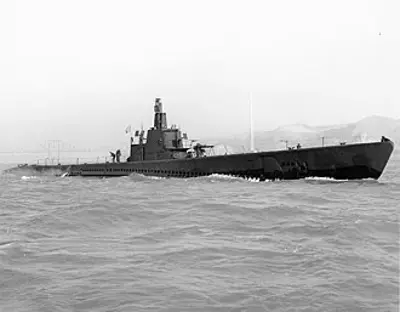
The U.S. Navy submarine USS Squalus sinks off the coast of New Hampshire during a test dive, causing the death of 24 sailors and two civilian technicians. The remaining 32 sailors and one civilian nav�
The U.S. Navy submarine Squalus sank off Portsmouth, New Hampshire, during tests, causing 26 men to drown.
�tion Dynamo: In northern France, Allied forces begin a massive evacuation from Dunkirk, France. The Battle of Dunkirk begins simultaneously as Allied defenders fight to slow down the German offensive.
The last steel girder is removed from the original World Trade Center site. Cleanup duties officially end with closing ceremonies at Ground Zero in Manhattan, New York City.
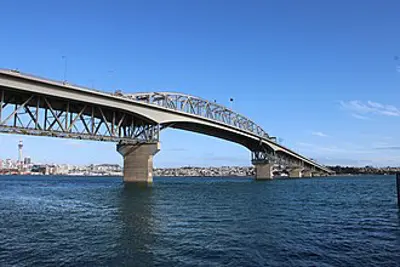
The Auckland Harbour Bridge, spanning Waitematā Harbour between the Saint Marys Bay and Northcote suburbs of Auckland, New Zealand, officially opened.
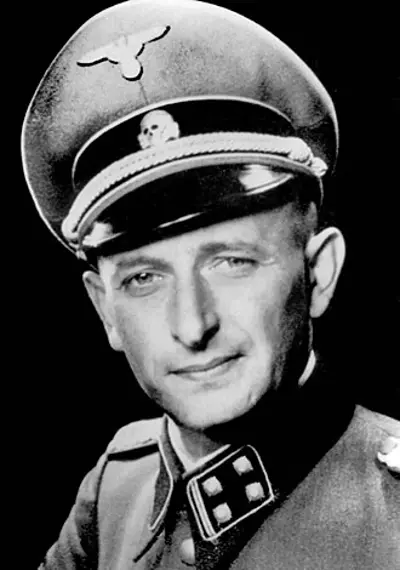
Adolf Eichmann, former SS officer in Nazi Germany, is hanged in Israel for having committed crimes against humanity, war crimes, and other offenses.
War of 1812: Mortally wounded, U.S. Navy captain James Lawrence ordered his crew "Don't give up the ship!" as USS Chesapeake was captured by HMS Shannon off the coast of Boston.
Protests in West Berlin against the arrival of the Shah of Iran are brutally suppressed, during which Benno Ohnesorg is killed by a police officer. His death results in the founding of the terrorist g�
War of 1812: The British ambushed an American encampment near present-day Stoney Creek, Ontario, capturing two senior officers.
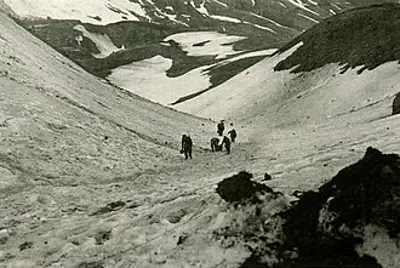
World War II: Aleutian Islands Campaign: Imperial Japanese soldiers begin occupying the American islands of Attu and Kiska, in the Aleutian Islands off Alaska.
�inside the United States Holocaust Memorial Museum and fatally shoots Museum Special Police Officer Stephen Tyrone Johns. Other security guards returned fire, wounding von Brunn, who was apprehended.
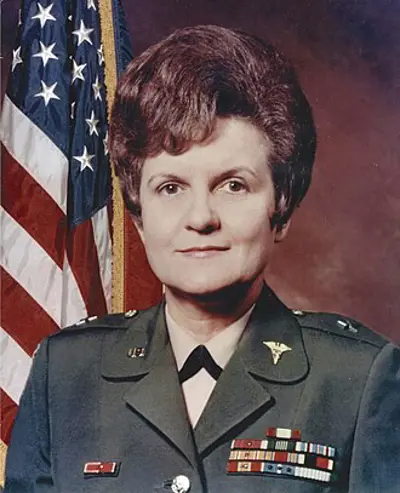
After being appointed on May 15, Anna Mae Hays and Elizabeth P. Hoisington officially receive their ranks as U.S. Army general officers, becoming the first women to do so.
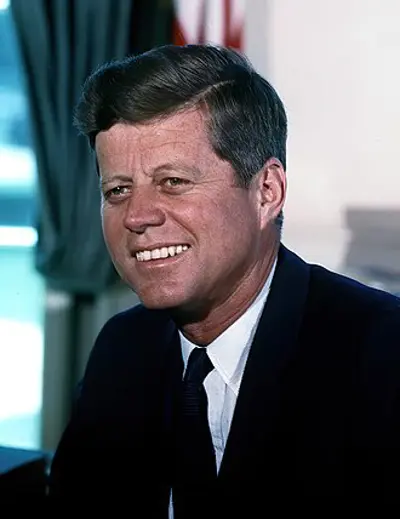
John F. Kennedy addresses Americans from the Oval Office proposing the Civil Rights Act of 1964, which would revolutionize American society by guaranteeing equal access to public facilities, ending se�
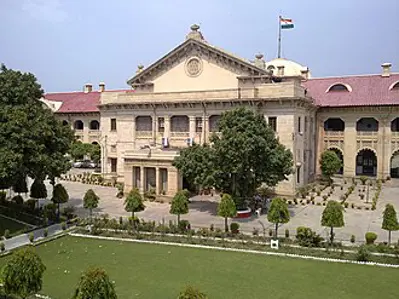
State of Uttar Pradesh v. Raj Narain: Judge Jagmohanlal Sinha rules against Indira Gandhi in a case on her election to the Indian Parliament, and that she should be banned from holding any public offi�
American War of Independence: British general Thomas Gage declares martial law in Massachusetts. The British offer a pardon to all colonists who lay down their arms. There would be only two exceptions�
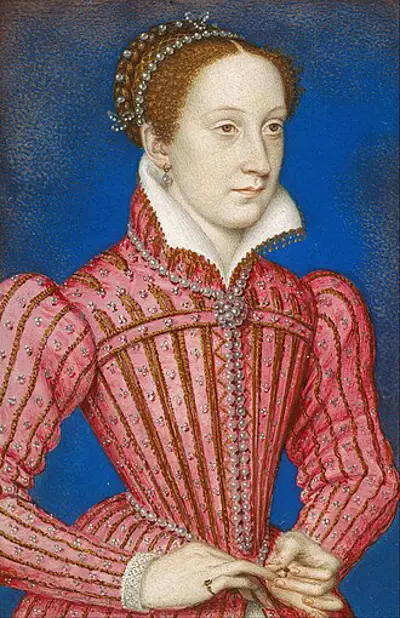
Mary, Queen of Scots, and her new husband Bothwell are confronted by disgruntled Scottish nobles in the encounter at Carberry Hill. The stand-off ends with the surrender of queen Mary.