1934
New Deal: U
New Deal: U.S. President Franklin D. Roosevelt signs the Securities Exchange Act of 1934 into law, establishing the U.S. Securities and Exchange Commission.
5002 results for “Richard I of Normandy” — type: events (841 ms)
New Deal: U.S. President Franklin D. Roosevelt signs the Securities Exchange Act of 1934 into law, establishing the U.S. Securities and Exchange Commission.

World War I: U.S. Marine Corps suffers its worst single day's casualties during the Battle of Belleau Wood while attempting to recapture the wood at Château-Thierry (the losses are exceeded at the Bat�
War of 1812: In the Battle of Stoney Creek, considered a critical turning point in the war, a British force of 700 under John Vincent defeats an American force twice its size under William Winder and�

The M8.2–8.8 Lo Mustang earthquake affects Tibet and Nepal, causing severe damage in Kathmandu and parts of the Indo-Gangetic plain.

The Alcohol, Tobacco, and Firearms Division of the U.S. Internal Revenue Service raids the home of Ken Ballew for illegal possession of hand grenades.
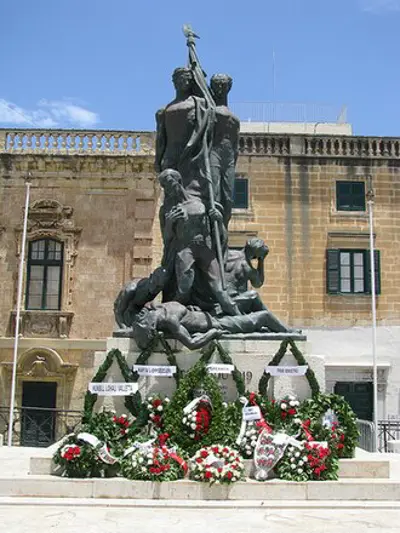
Sette Giugno: Nationalist riots break out in Valletta, the capital of Malta. British soldiers fire into the crowd, killing four people.
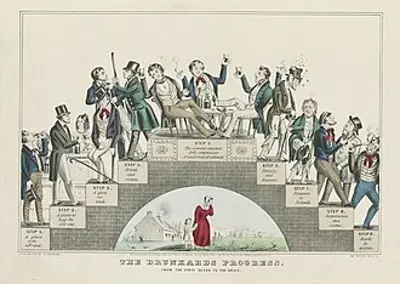
American Temperance crusader Carrie Nation begins her campaign of vandalizing alcohol-serving establishments by destroying the inventory in a saloon in Kiowa, Kansas.
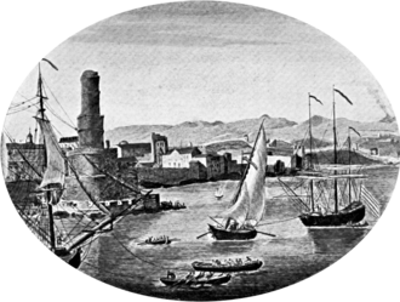
Port Royal, Jamaica, is hit by a catastrophic earthquake; in just three minutes, 1,600 people are killed and 3,000 are seriously injured.
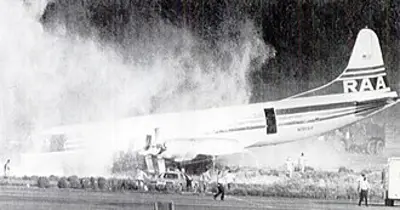
Reeve Aleutian Airways Flight 8 loses one of its propellers in flight resulting in damage to the flight controls. The Lockheed L-188 Electra makes an emergency landing at Anchorage International Airpo�

Vietnam War: Nine-year-old Phan Thị Kim Phúc is burned by napalm, an event captured by Associated Press photographer Nick Ut moments later while the young girl is seen running naked down a road, in wh�
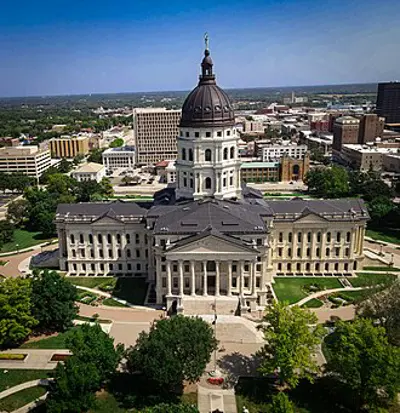
Topeka, Kansas, United States is devastated by a tornado that registers as an "F5" on the Fujita scale, exceeding US$200 million in damages. Seventeen people are killed, over five hundred more injured�
Vikings raid the abbey at Lindisfarne in Northumbria, commonly accepted as the beginning of Norse activity in the British Isles.
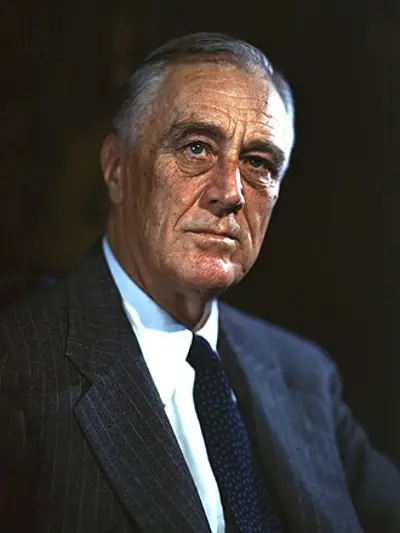
World War II: U.S. President Franklin D. Roosevelt denounces Italy's actions in his "Stab in the Back" speech at the graduation ceremonies of the University of Virginia.

Spanish–American War: In the Battle of Guantánamo Bay, U.S. Marines begin the American invasion of Spanish-held Cuba.
French Revolution: Following the arrests of Girondin leaders, the Jacobins gain control of the Committee of Public Safety installing the revolutionary dictatorship.
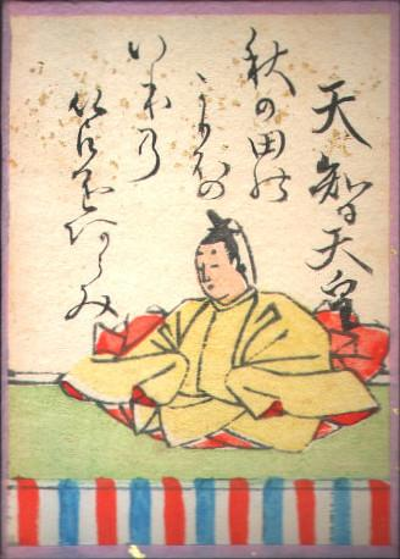
Emperor Tenji of Japan introduces a water clock (clepsydra) called Rokoku. The instrument, which measures time and indicates hours, is placed in the capital of Ōtsu.
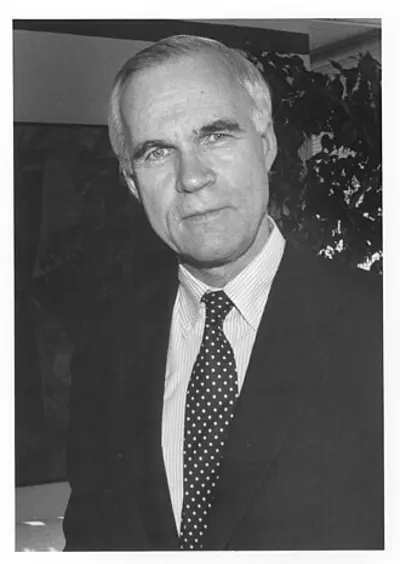
Lloyd J. Old identified the first cell surface antigens that could differentiate among different cell types.
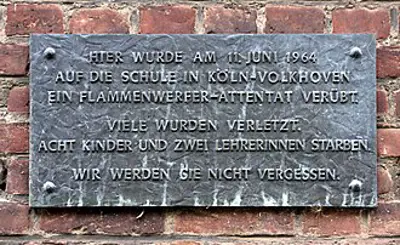
World War II veteran Walter Seifert attacks an elementary school in Cologne, Germany, killing at least eight children and two teachers and seriously injuring several more with a home-made flamethrower�
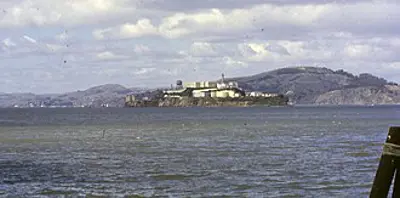
Frank Morris, John Anglin and Clarence Anglin allegedly become the only prisoners to escape from the prison on Alcatraz Island.