
1474
Guillaume Du Fay, French composer and music theorist (born 1397)
Guillaume Du Fay, French composer and music theorist (born 1397)
47456 results for “Helen of Greece and Denmark” (3454 ms)
Guillaume Du Fay, French composer and music theorist (born 1397)


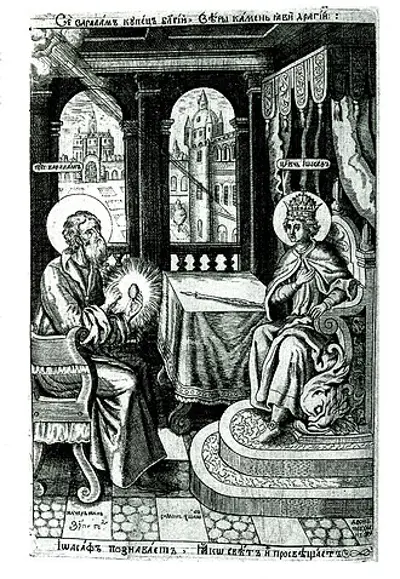
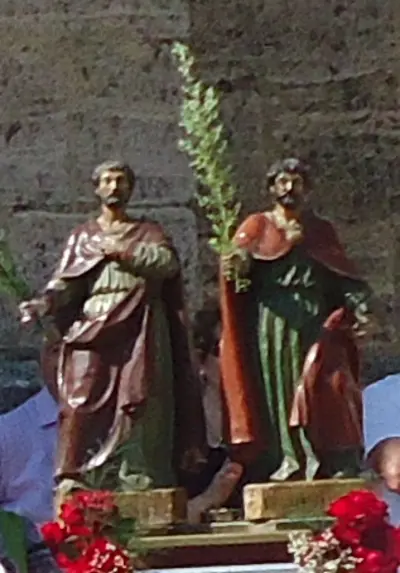
International Day for the Elimination of Child, Early and Forced Marriage
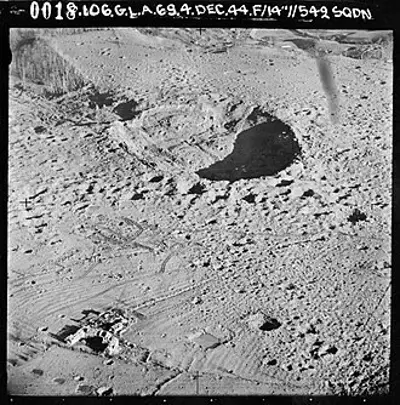
Between 3,500 and 4,000 tonnes of ordnance exploded at the RAF Fauld underground munitions storage depot in the largest non-nuclear explosion in the United Kingdom.
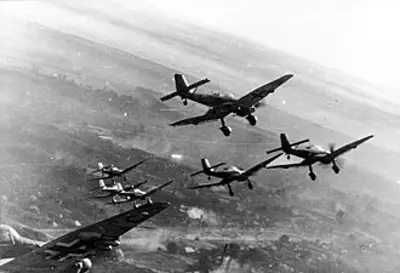
World War II: Australian forces began the Battle of Wareo by conducting clearing operations between Bonga and North Hill.
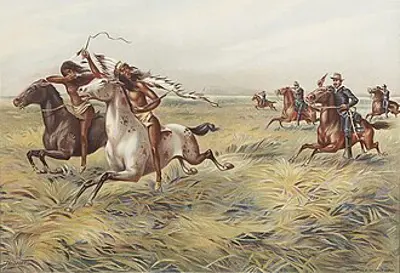
American Indian Wars: George Armstrong Custer's 7th U.S. Cavalry attacked the encampment of Chief Black Kettle and the Cheyenne on the Washita River near present-day Cheyenne, Oklahoma.
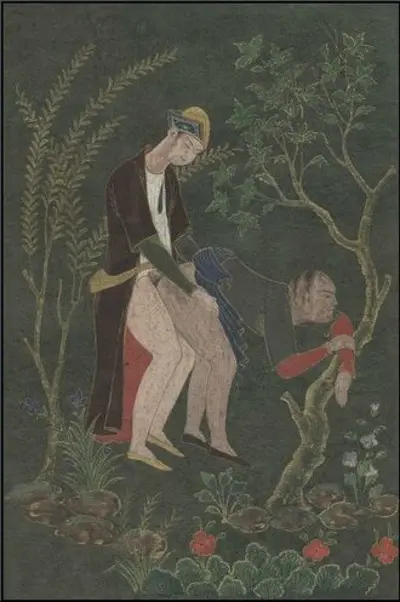
James Pratt and John Smith became the last people to be executed in England for sodomy.

Over seven hundred civilians are massacred by the Ethiopian National Defense Force and Eritrean Army in Aksum, Ethiopia.
British Prime Minister Margaret Thatcher resigns as leader of the Conservative Party and, therefore, as Prime Minister. She is succeeded in both positions by John Major.

Last executions in Paris: Claude Buffet and Roger Bontems are guillotined at La Santé Prison.
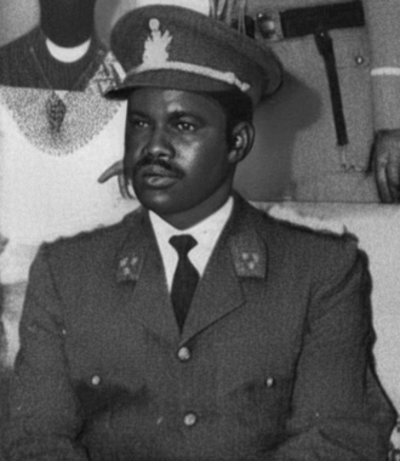
Michel Micombero overthrows the monarchy of Burundi and makes himself the first president.

Chad, the Republic of the Congo, and Gabon become autonomous republics within the French Community.
World War II: Tehran Conference: U.S. President Franklin D. Roosevelt, British Prime Minister Winston Churchill and Soviet Premier Joseph Stalin meet in Tehran, Iran, to discuss war strategy.
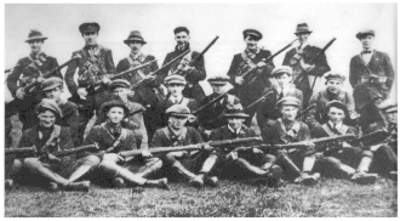
Irish War of Independence: Kilmichael Ambush: The Irish Republican Army ambush a convoy of British Auxiliaries and kill seventeen.
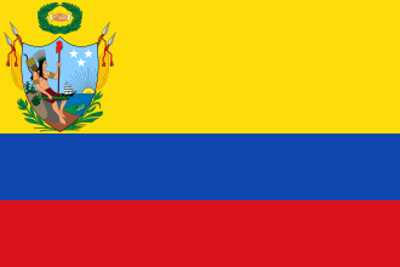
Panama Independence Day: Panama separates from Spain and joins Gran Colombia.
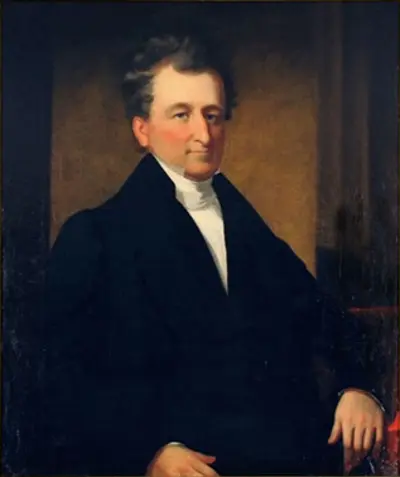
Trade between the United States and modern-day Uruguay begins when John Leamy's frigate John arrives in Montevideo.
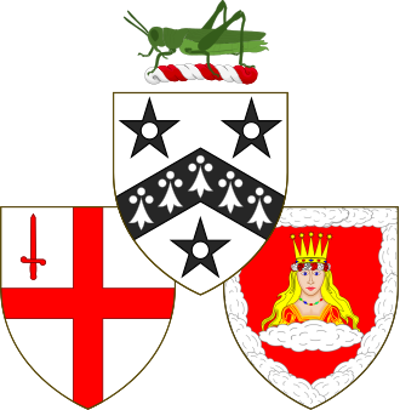
At Gresham College, twelve men, including Christopher Wren, Robert Boyle, John Wilkins, and Sir Robert Moray decide to found what is later known as the Royal Society.