1813
War of 1812: Mortally wounded, U
War of 1812: Mortally wounded, U.S. Navy captain James Lawrence ordered his crew "Don't give up the ship!" as USS Chesapeake was captured by HMS Shannon off the coast of Boston.
511 results for “Ming-Na Wen” — type: selected (256 ms)
War of 1812: Mortally wounded, U.S. Navy captain James Lawrence ordered his crew "Don't give up the ship!" as USS Chesapeake was captured by HMS Shannon off the coast of Boston.
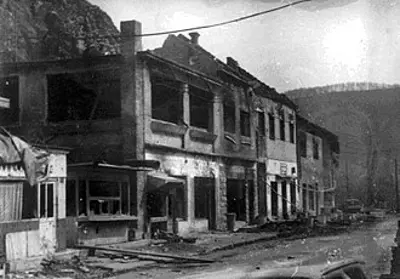
Bosnian War: U.S. Air Force captain Scott O'Grady was shot down while patrolling the NATO no-fly zone over Bosnia, but ejected safely and was rescued six days later.
Benno Ohnesorg, a German university student, was killed in West Berlin while protesting against the visit of Shah Mohammad Reza Pahlavi of Iran; the anarchist militant 2 June Movement was later named�
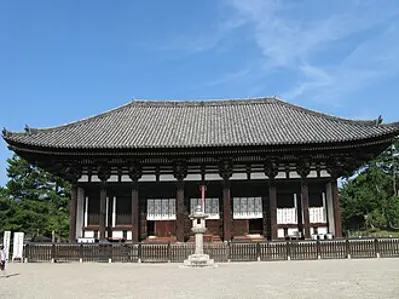
The Ancient Temples and Shrines Preservation Law was passed, instituting the protection of structures and artifacts in Japan designated National Treasures.
The Israeli Air Force attacked the U.S. Navy intelligence ship USS Liberty in international waters, killing 34 people and wounding 171 others.

US president George W. Bush designated 140,000 square miles (360,000 km2) around the Northwestern Hawaiian Islands as the Papahānaumokuākea Marine National Monument, now one of the world's largest pr�
A strong earthquake in the Kutch district of Gujarat, India, caused a local zone of uplift that dammed the Nara River, which was later named the Allah Bund ('Dam of God').
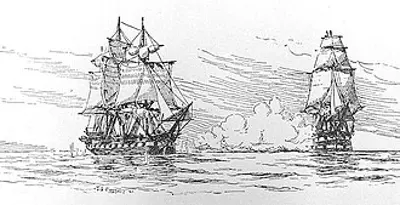
The British warship HMS Leopard pursued and attacked the American frigate USS Chesapeake (pictured) in the belief that the crew of the latter included deserters from the Royal Navy.
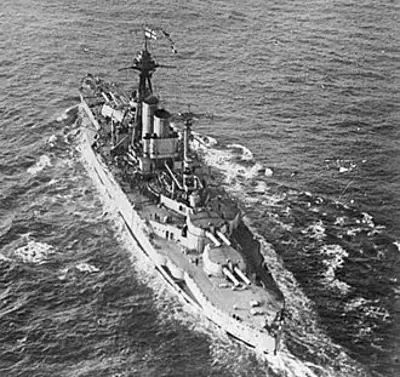
The U.S. Navy's first two fast battleships, North Carolina and Washington, of the North Carolina class, were respectively ordered from the New York and Philadelphia Naval Shipyards.
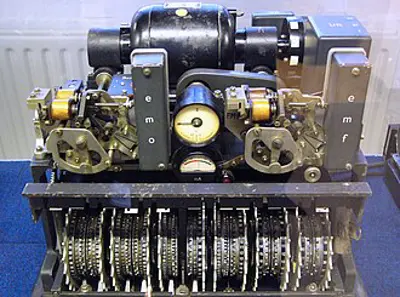
Two cryptographers working for the U.S. National Security Agency left on vacation to Mexico, and proceeded to defect to the Soviet Union.
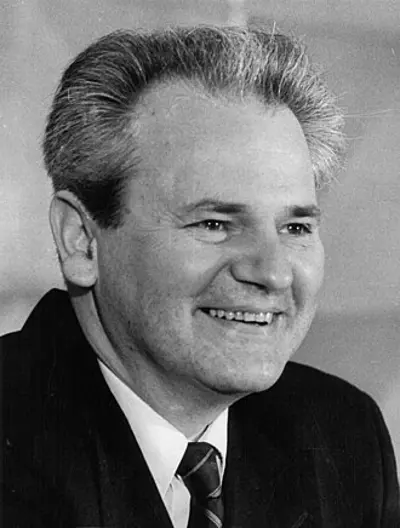
President Slobodan Milošević gave a speech at Gazimestan in which he described the possibility of "armed battles" in the future of Serbia's national development.
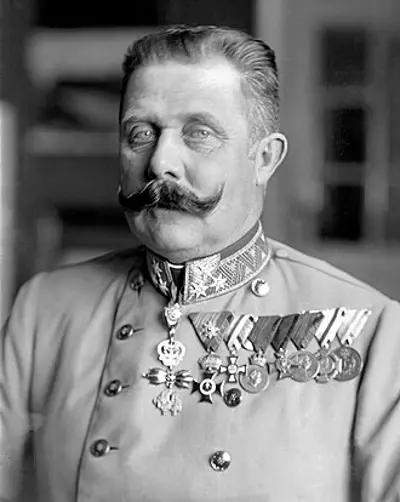
Archduke Franz Ferdinand and his wife Sophie, Duchess of Hohenberg, were assassinated in Sarajevo by Gavrilo Princip (pictured), a Yugoslav nationalist, sparking the outbreak of World War I.
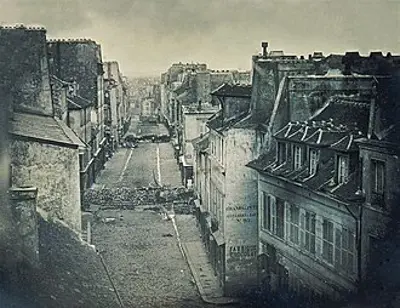
French authorities suppressed the June Days uprising (pictured), in which workers rioted in response to plans to close the National Workshops.
The International Astronomical Union announced that the fourth and fifth moons of Pluto to be discovered would be named Kerberos and Styx, respectively.
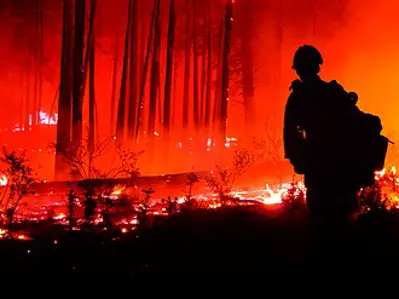
In Arizona, the Boundary Fire (pictured) burned out after 32 days, burning 17,788 acres (7,199 ha) of the Coconino and Kaibab National Forests.
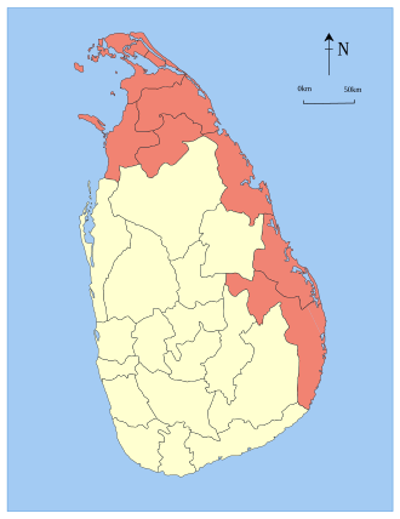
Sri Lankan civil war: After advising civilians to take shelter in places of worship, the Sri Lanka Air Force bombed a church in Navaly, killing at least 147 people.
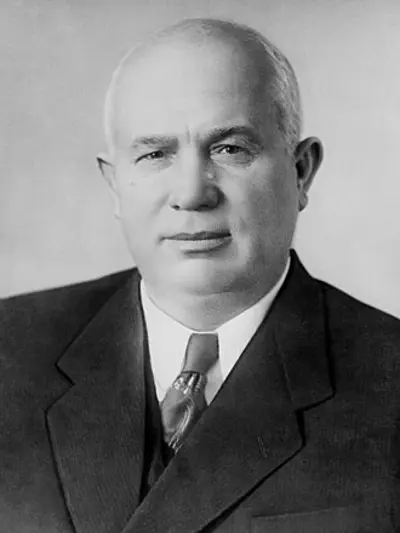
Soviet premier Nikita Khrushchev and U.S. vice president Richard Nixon held an impromptu debate (pictured) at the opening of the American National Exhibition at Sokolniki Park in Moscow.
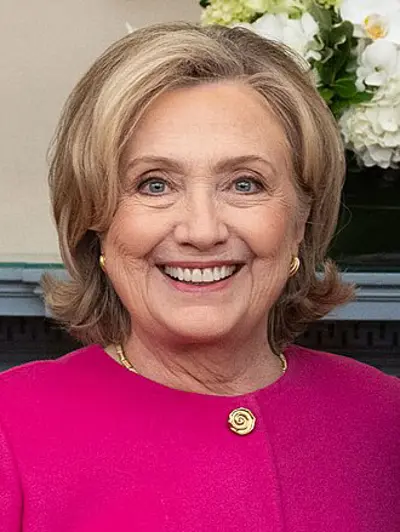
Hillary Clinton (pictured) became the first female nominee for president of the United States by a major political party at the Democratic National Convention in Philadelphia.

Amid a widespread economic crisis and food shortages in Poland, up to 50,000 people, mostly women and children, took part in the largest of nationwide hunger demonstrations in Łódź.
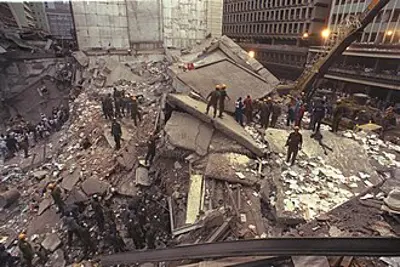
Car bombs exploded simultaneously at the American embassies in the East African capital cities of Dar es Salaam, Tanzania, and Nairobi, Kenya, killing more than 200 people and injuring more than 4,00�