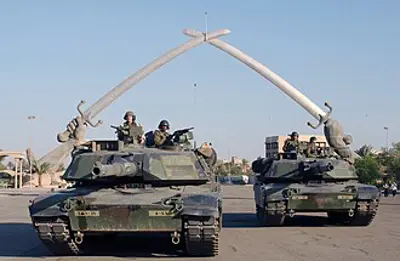
The ocean liner RMS Mauretania, the largest and fastest ship in the world at the time, was launched in Tyneside,…
The ocean liner RMS Mauretania, the largest and fastest ship in the world at the time, was launched in Tyneside, England.
64790 results for “W. E. D. Ross” (4829 ms)
The ocean liner RMS Mauretania, the largest and fastest ship in the world at the time, was launched in Tyneside, England.
Ottoman–Habsburg wars: Ottoman forces led by Suleiman the Magnificent captured the fortress of Szigetvár in Hungary, but were forced to end their campaign to take Vienna.
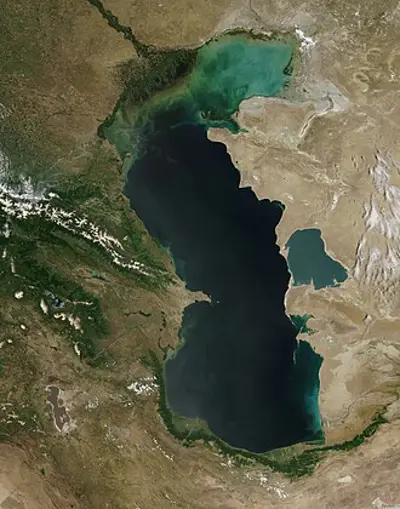
�ia sign the treaty of Saint Petersburg. Iran is forced to cede all lands on the western and southern coast of the Caspian Sea and Russia pledges to provide military support against the Ottoman Empire.
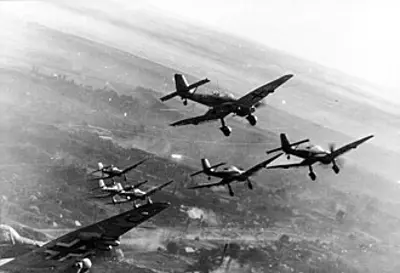
World War II: Nazi forces began a mass extermination campaign against the civilian residents of around 20 villages on the Greek island of Crete, eventually killing more than 500 men.
An all-white jury in Mississippi finds Roy Bryant and J. W. Milam not guilty in the torture-murder of 14-year-old African American boy Emmett Till.
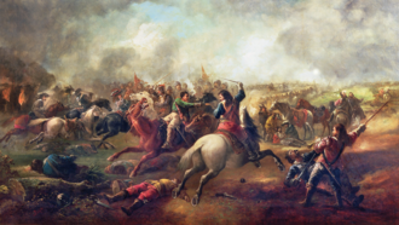
First English Civil War: The Battle of Powick Bridge, the first engagement between the primary field armies of the Royalists and the Parliamentarians, ends in a Royalist victory.
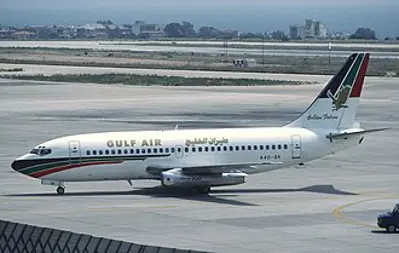
Flying from Pakistan, Gulf Air Flight 771 was bombed up by the Abu Nidal Organization while on approach over the United Arab Emirates (UAE), killing all 112 people on board.
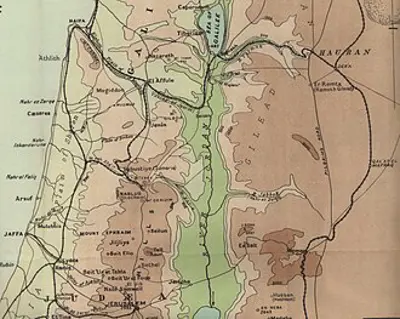
World War I: The end of the Battle of Megiddo, the climax of the British Army's Sinai and Palestine campaign under General Edmund Allenby.
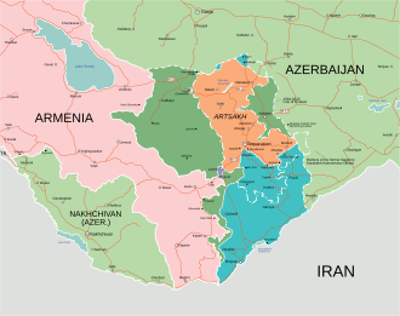
Second Nagorno-Karabakh War: Azerbaijan launches an offensive against the self-proclaimed Republic of Artsakh in the Nagorno-Karabakh region, inhabited predominantly by ethnic Armenians.
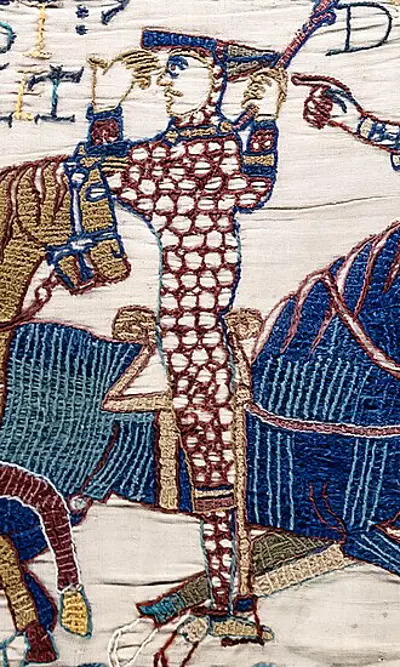
William the Conqueror and his fleet of around 600 ships landed at Pevensey, Sussex, beginning the Norman conquest of England.
Second World War: General Władysław Sikorski (pictured) became the first prime minister of the Polish government-in-exile.
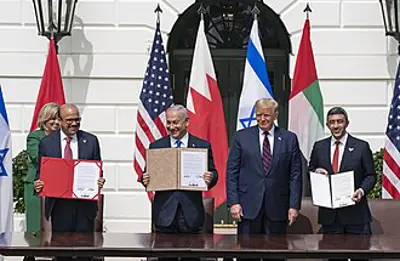
The Abraham Accords were signed in Washington, D.C. (signatories pictured), normalizing relations between Israel and two Arab nations, the United Arab Emirates and Bahrain.
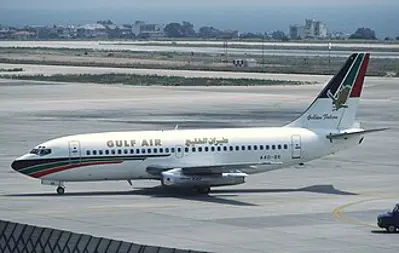
Flying from Pakistan, Gulf Air Flight 771 was blown up by the Abu Nidal Organization while on approach over the United Arab Emirates (UAE), killing all 112 people on board.
Ottoman–Habsburg wars: The Battle of Lepanto was fought near the Gulf of Corinth, a significant setback for the Ottoman Empire and the last major naval battle fought entirely with galleys.
The Phantom of the Opera, a musical by Andrew Lloyd Webber and currently the longest-running Broadway show in history, opened in London's West End.
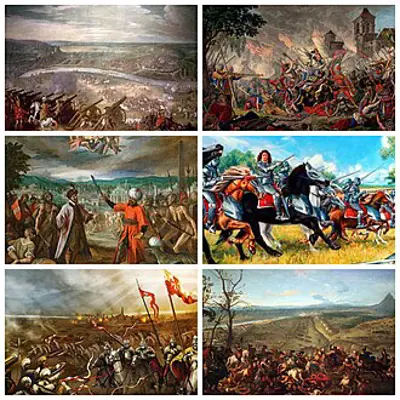
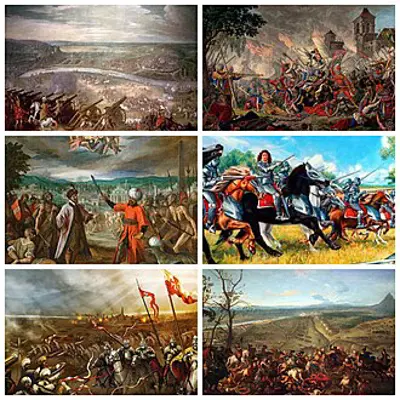
Ottoman–Habsburg wars: The siege of Vienna ended with Austrian forces repelling the invading Turks, turning the tide against almost a century of conquest in Europe by the Ottoman Empire.
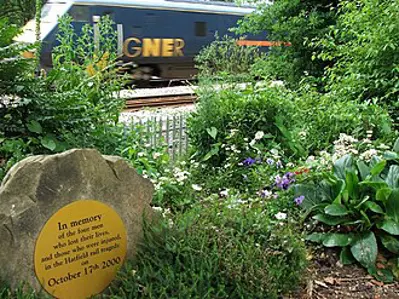
A fatal rail crash at Hatfield, Hertfordshire, led to the introduction of widespread speed limit reductions throughout the British rail network and eventually caused the collapse of the railway manag�
�ith the Treaty of Vienna, Austria cedes Veneto and Mantua to France, which immediately awards them to Italy in exchange for the earlier Italian acquiescence to the French annexation of Savoy and Nice.
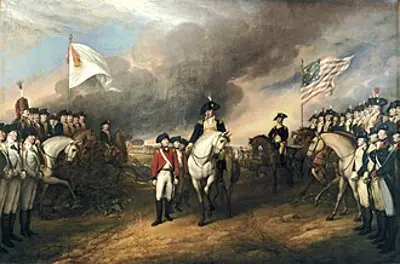
American Revolutionary War: British forces led by Lord Cornwallis officially surrendered to Franco-American forces under George Washington and the comte de Rochambeau, ending the Siege of Yorktown.
Iraq War: President Barack Obama announces that the withdrawal of United States troops from Iraq will be complete by the end of the year.