
1864
American Civil War: The Army of the Potomac, under General Ulysses S
American Civil War: The Army of the Potomac, under General Ulysses S. Grant, breaks off from the Battle of the Wilderness and moves southwards.
611 results for “Maud of Wales” — type: events (163 ms)
American Civil War: The Army of the Potomac, under General Ulysses S. Grant, breaks off from the Battle of the Wilderness and moves southwards.
Attempting to make the first non-stop transatlantic flight from Paris to New York, French war heroes Charles Nungesser and François Coli disappear after taking off aboard The White Bird biplane.
�p a Security Pacific bank, leading to a violent shoot-out and one of the largest pursuits in California history. Two of the gunmen and one police officer are killed and thirty-three police and civilia�
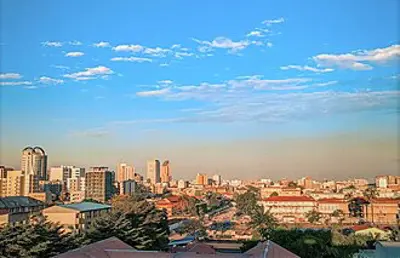
Fifteen people are killed and 46 injured in Kinshasa, DRC, in a stampede caused by tear gas being thrown into soccer stands by police officers.
Indian Rebellion of 1857: In India, the first war of Independence begins. Sepoys mutiny against their commanding officers at Meerut.
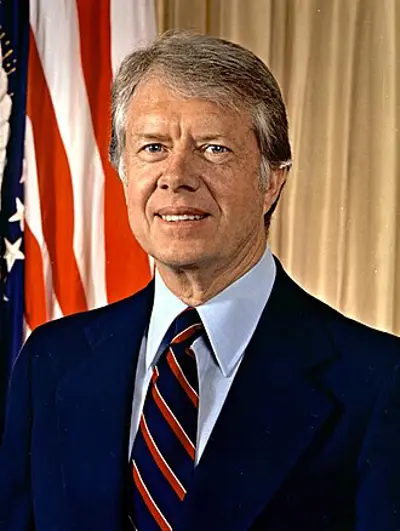
�S President Jimmy Carter arrives in Cuba for a five-day visit with Fidel Castro, becoming the first President of the United States, in or out of office, to visit the island since the Cuban Revolution.

World War II: Second Battle of Kharkov: In eastern Ukraine, Red Army forces under Marshal Semyon Timoshenko launch a major offensive from the Izium bridgehead, only to be encircled and destroyed by th�

Andijan uprising, Uzbekistan; Troops open fire on crowds of protestors after a prison break; at least 187 people were killed according to official estimates.
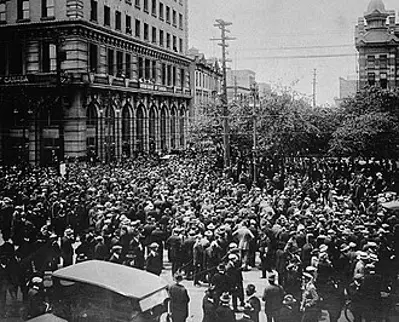
The Winnipeg general strike begins. By 11:00, almost the whole working population of Winnipeg had walked off the job.
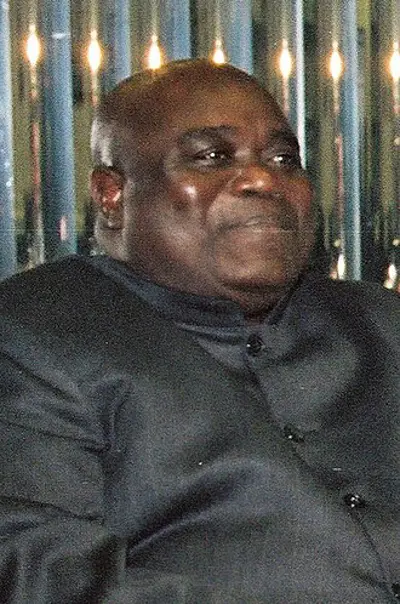
Troops of Laurent-Désiré Kabila march into Kinshasa. Zaire is officially renamed Democratic Republic of the Congo.
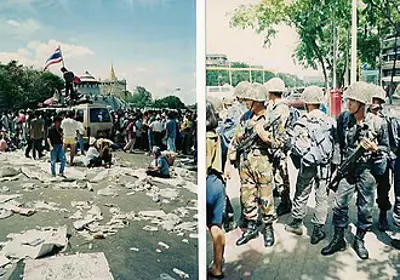
Three days of popular protests against the government of Prime Minister of Thailand Suchinda Kraprayoon begin in Bangkok, leading to a military crackdown that results in 52 officially confirmed deaths�

The Sedition Act of 1918 is passed by the U.S. Congress, making criticism of the government during wartime an imprisonable offense. It will be repealed less than two years later.

The U.S. Navy submarine USS Squalus sinks off the coast of New Hampshire during a test dive, causing the death of 24 sailors and two civilian technicians. The remaining 32 sailors and one civilian nav�
American Civil War: Union troops occupy Alexandria, Virginia, with Colonel Elmer E. Ellsworth becoming the first Union officer to be killed during the war.
�tion Dynamo: In northern France, Allied forces begin a massive evacuation from Dunkirk, France. The Battle of Dunkirk begins simultaneously as Allied defenders fight to slow down the German offensive.
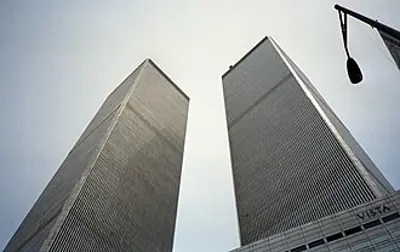
The last steel girder is removed from the original World Trade Center site. Cleanup duties officially end with closing ceremonies at Ground Zero in Manhattan, New York City.
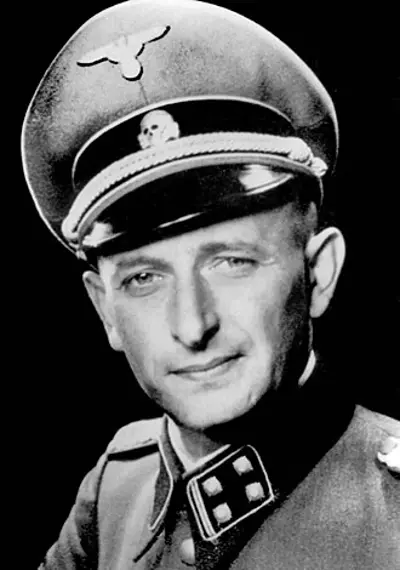
Adolf Eichmann, former SS officer in Nazi Germany, is hanged in Israel for having committed crimes against humanity, war crimes, and other offenses.
Protests in West Berlin against the arrival of the Shah of Iran are brutally suppressed, during which Benno Ohnesorg is killed by a police officer. His death results in the founding of the terrorist g�
�e 1989 Polish legislative election occurs, the first election since the Communist Polish United Workers' Party abandoned its monopoly of power. It sparks off the Revolutions of 1989 in Eastern Europe.
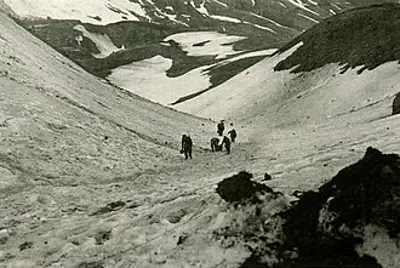
World War II: Aleutian Islands Campaign: Imperial Japanese soldiers begin occupying the American islands of Attu and Kiska, in the Aleutian Islands off Alaska.