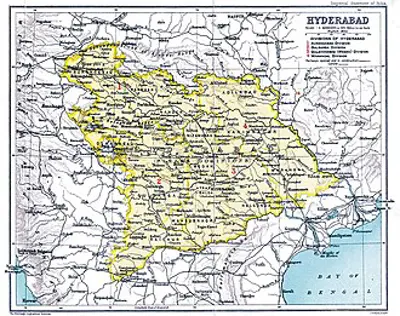
1948
Operation Polo is terminated after the Indian Army accepts the surrender of the army of Hyderabad.
Operation Polo is terminated after the Indian Army accepts the surrender of the army of Hyderabad.
68424 results for “S. D. Burman” (3650 ms)
Operation Polo is terminated after the Indian Army accepts the surrender of the army of Hyderabad.
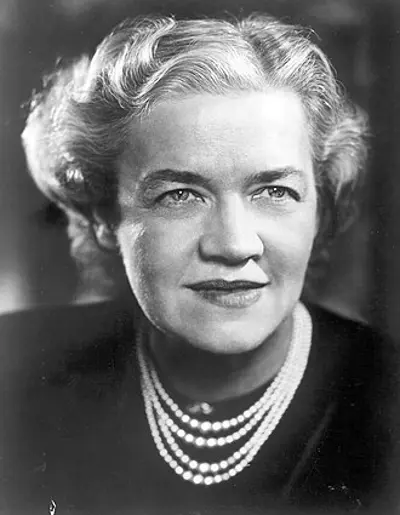
Margaret Chase Smith of Maine becomes the first woman elected to the United States Senate without completing another senator's term.
The National Security Act reorganizes the United States government's military and intelligence services.
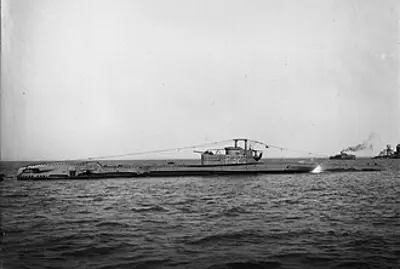
World War II: The British submarine HMS Tradewind torpedoes Jun'yō Maru, killing 5,600, mostly slave labourers and POWs.
World War II: The Soviet Union introduces conscription for all males between the ages of 16 and 50.
World War II: The radio show Germany Calling begins transmitting Nazi propaganda.

The Soviet Union is admitted to the League of Nations.
The Columbia Broadcasting System goes on the air.
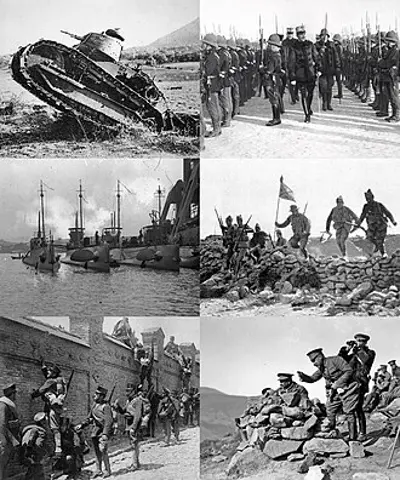
Rif War: In Ajdir, Spanish Morocco, a secessionist group of Berbers led by Abd el-Krim proclaim the Republic of the Rif, in rebellion against the Sultan of Morocco and the Spanish Army. French and Sp�
The Saturday Evening Post publishes the short story "Extricating Young Gussie" by P.G. Wodehouse, featuring the first appearance of Bertie Wooster and his valet Jeeves.
The Fashoda Incident triggers the last war scare between Britain and France.
Five Chinese people were lynched outside of Pierce City in the Idaho Territory of the United States.

The Blackpool Illuminations are switched on for the first time.
The first provincial election for the Nova Scotia Legislative Assembly after Canada's Confederation returns a large majority for the Anti-Confederation Party, led by William Annand, who becomes Premi�
The fourth and current State Constitution of Maryland is ratified by voters.
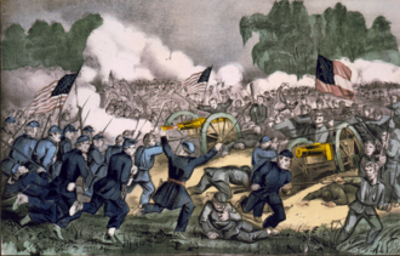
American Civil War: The Battle of Chickamauga begins between Confederate and Union forces. It involves the second highest amount of casualties for any American Civil War battle apart from Gettysburg.
The U.S. Congress passes the Fugitive Slave Act of 1850.
The first cornerstone of the United States Capitol is laid by George Washington.
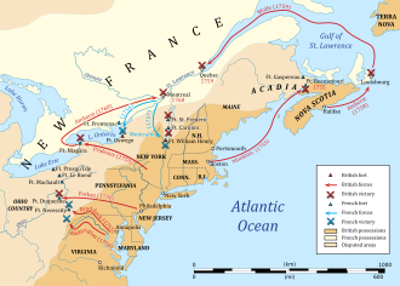
French and Indian War: The Articles of Capitulation of Quebec are signed.