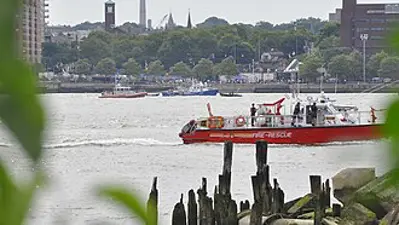
Nine people died when a tour helicopter and a small private airplane collided over the Hudson River in Hoboken, New…
Nine people died when a tour helicopter and a small private airplane collided over the Hudson River in Hoboken, New Jersey.
706 results for “Forrest J Ackerman” — type: selected (582 ms)
Nine people died when a tour helicopter and a small private airplane collided over the Hudson River in Hoboken, New Jersey.
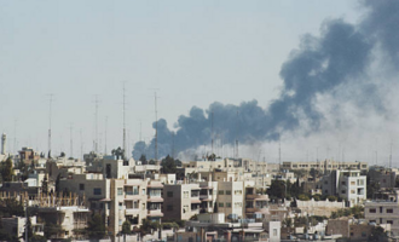
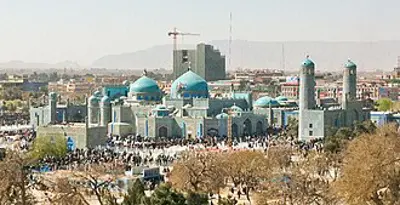
The Iranian consulate in Mazar-i-Sharif, Afghanistan, was raided by Taliban leading to the death of 10 Iranian diplomats and an Iranian journalist.
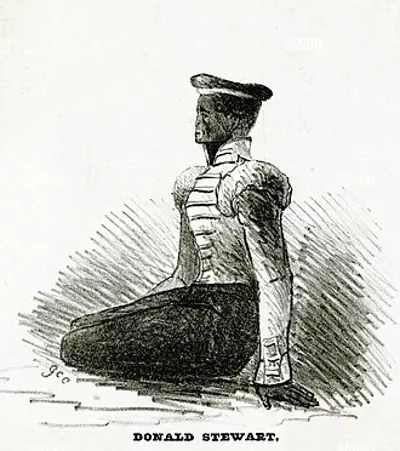
Daaga and two other African soldiers in the British Army's 1st West India Regiment were executed for their role in the St. Joseph Mutiny in Trinidad.
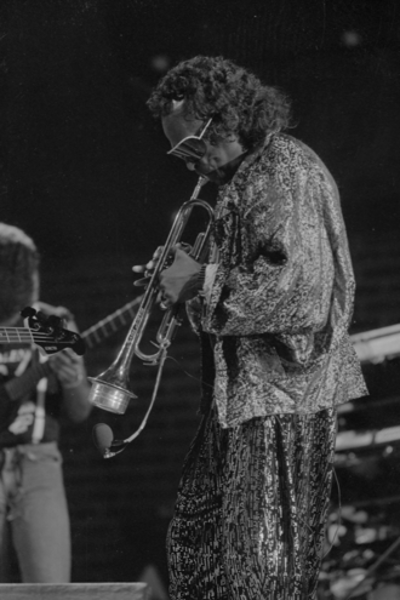
American musician Miles Davis released Kind of Blue, which became one of the best-selling and most critically acclaimed jazz recordings of all time.
A Hamas suicide bomber killed 23 people and wounded more than 130 others, including many Orthodox Jewish children, on a crowded public bus in Shmuel HaNavi, Jerusalem.
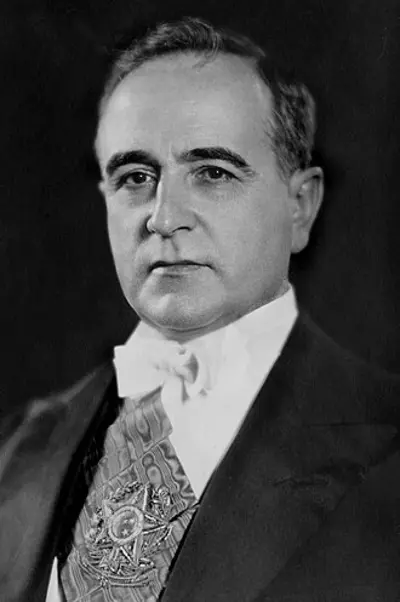
In the midst of a political crisis, Brazilian president Getúlio Vargas fatally shot himself in the Catete Palace in Rio de Janeiro.
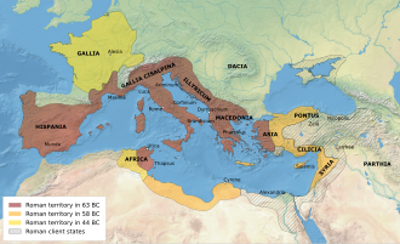
Caesar's Civil War: Forces loyal to Julius Caesar led by Gaius Scribonius Curio were defeated by Pompeian Republicans under Publius Attius Varus and King Juba I of Numidia.
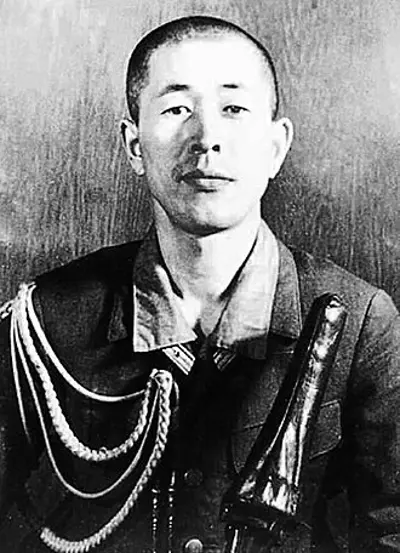
Kenji Hatanaka (pictured) and other Japanese military officers launched an attempted coup d'état to prevent the surrender of Japan.
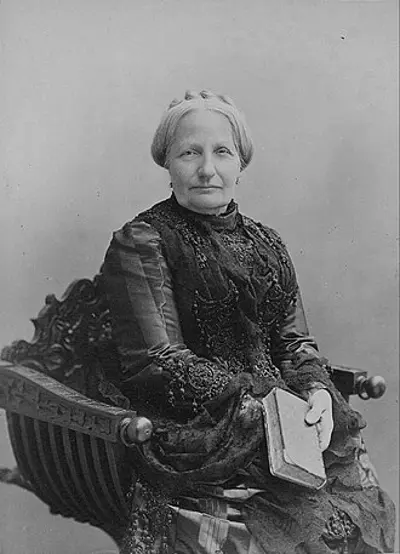
�days on grounds of mental illness.* 1888 – The body of Mary Ann Nichols, the alleged first victim of an unidentified serial killer known as Jack the Ripper (pictured), was found in Buck's Row, London.
The state wedding of Teresa Cristina of the Two Sicilies and Emperor Pedro II of Brazil took place at the Cathedral of Rio de Janeiro.
�ck September: The Popular Front for the Liberation of Palestine hijacked four airliners, landing two at Dawson's Field in Jordan and one in Cairo, while the last hijacking attempt was foiled near Lond�
�ines, Iowa, American aviator Charles Lindbergh delivered an antisemitic speech (reporting pictured) accusing Jews of controlling the media and manipulating the United States into joining World War II.
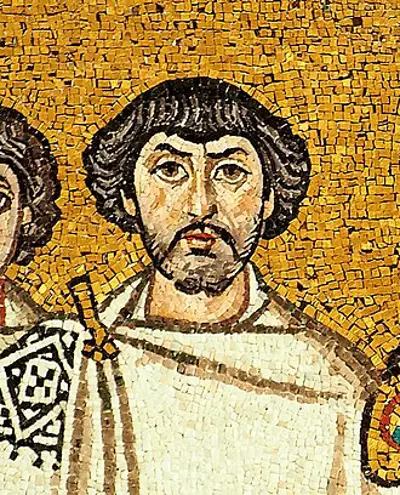
The Byzantines under Belisarius defeated the Vandal King Gelimer at the Battle of Ad Decimum near Carthage, and began the "Reconquest of the West" under Byzantine Emperor Justinian I.
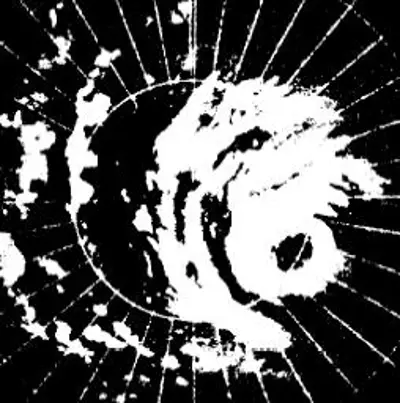
Typhoon Nancy, which possibly had the strongest winds ever measured in a tropical cyclone, made landfall in Muroto, Japan.
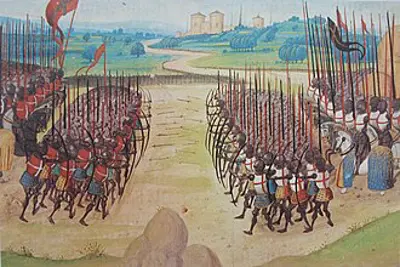
Hundred Years' War: English forces led by Edward the Black Prince decisively won the Battle of Poitiers and captured John II of France.
A tsunami caused by the Meiō earthquake washed away the building housing the statue of the Great Buddha (pictured) at Kōtoku-in in Kamakura, Japan; the statue has since stood in the open air.
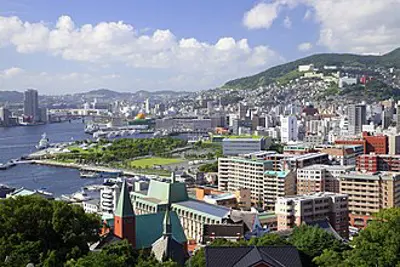
Fifty-five Christians were executed in Nagasaki during the Great Genna Martyrdom, part of persecution towards Christians in Japan by the Tokugawa shogunate.
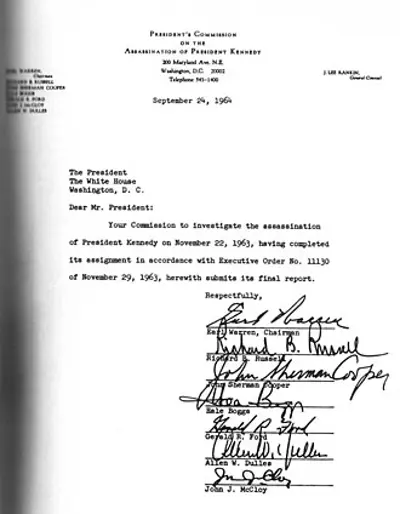
The Warren Commission released its report to the U.S. president, concluding that Lee Harvey Oswald acted alone in the assassination of John F. Kennedy. The report was made public three days later.
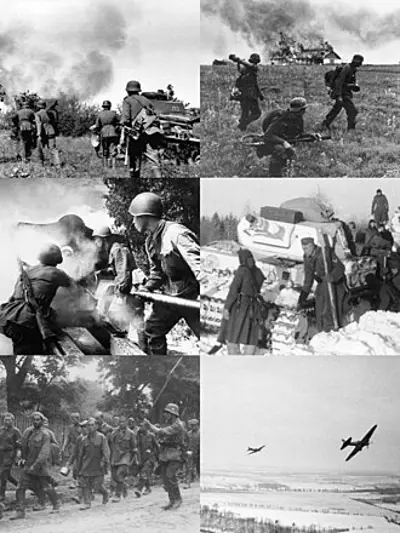
�barossa: A Wehrmacht training event known as the Mogilev Conference began, marking an increase in violence against Jews and other civilians in the areas under General Max von Schenckendorff's command.
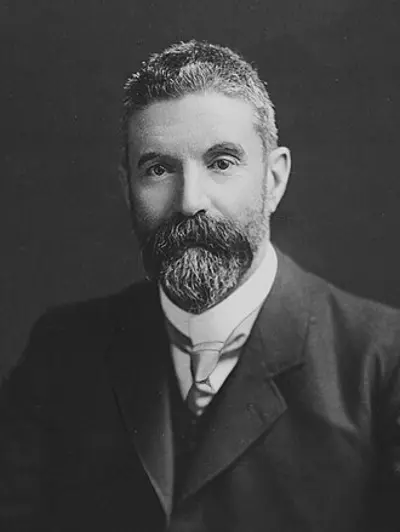
Alfred Deakin became the second Australian prime minister, succeeding Edmund Barton, who left office to become a founding justice of the High Court of Australia.