1872
Reconstruction Era: President Ulysses S
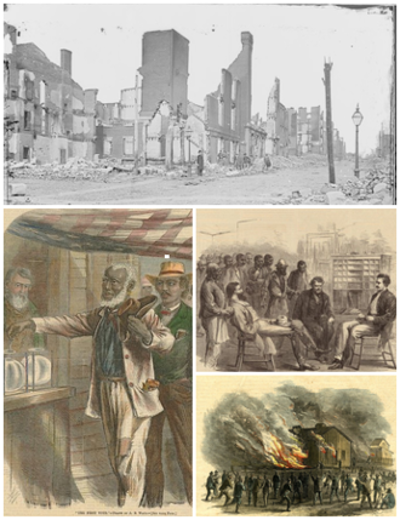
Reconstruction Era: President Ulysses S. Grant signs the Amnesty Act into law, restoring full civil and political rights to all but about 500 Confederate sympathizers.
11201 results for “A. P. Hill” — type: events (2665 ms)
Reconstruction Era: President Ulysses S. Grant signs the Amnesty Act into law, restoring full civil and political rights to all but about 500 Confederate sympathizers.
The Auto-Lite strike culminates in the "Battle of Toledo", a five-day melée between 1,300 troops of the Ohio National Guard and 6,000 picketers.
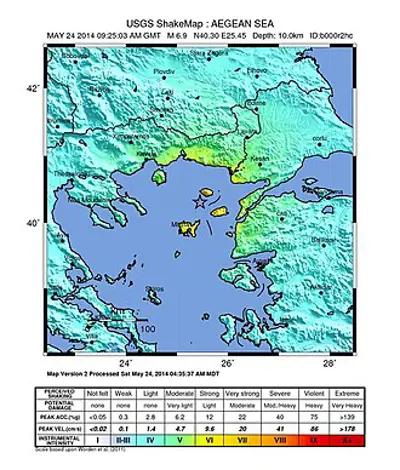
A 6.4 magnitude earthquake occurs in the Aegean Sea between Greece and Turkey, injuring 324 people.

Arab–Israeli War: Egypt captures the Israeli kibbutz of Yad Mordechai, but the five-day effort gives Israeli forces time to prepare enough to stop the Egyptian advance a week later.

World War II: Battle of the Atlantic: In the Battle of the Denmark Strait, the German battleship Bismarck sinks the pride of the Royal Navy, HMS Hood, killing all but three crewmen.
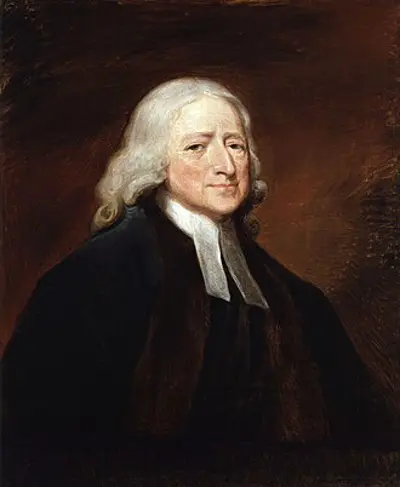
John Wesley is converted, essentially launching the Methodist movement; the day is celebrated annually by Methodists as Aldersgate Day and a church service is generally held on the preceding Sunday.

Apollo program: U.S. President John F. Kennedy announces, before a special joint session of the U.S. Congress, that the United States "should commit itself to achieving the goal, before this decade i�
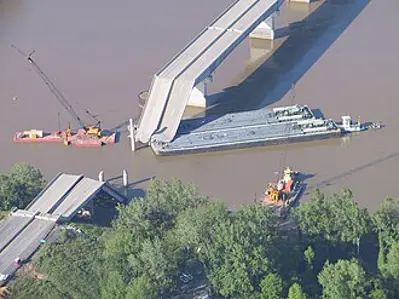
The tugboat Robert Y. Love collides with a support pier of Interstate 40 on the Arkansas River near Webbers Falls, Oklahoma, resulting in 14 deaths and 11 others injured.
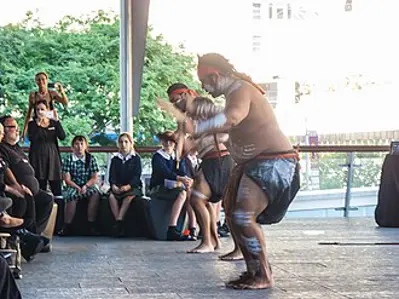
The first "National Sorry Day" is held in Australia. Reconciliation events are held nationally, and attended by over a million people.
King Otto I elects his six-year-old son Otto II as heir apparent and co-ruler of the East Frankish Kingdom. He is crowned at Aachen, and placed under the tutelage of his grandmother Matilda.
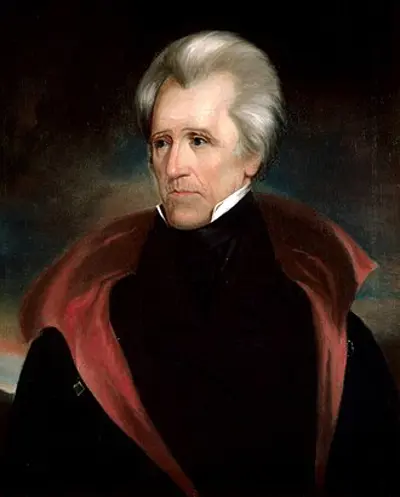
U.S. President Andrew Jackson signs the Indian Removal Act which denies Native Americans their land rights and forcibly relocates them.
The Spanish Armada, with 130 ships and 30,000 men, sets sail from Lisbon, Portugal, heading for the English Channel. (It will take until May 30 for all ships to leave port.)
U.S. President Ronald Reagan begins his first visit to the Soviet Union when he arrives in Moscow for a superpower summit with the Soviet leader Mikhail Gorbachev.

World War I veterans begin to assemble in Washington, D.C., in the Bonus Army to request cash bonuses promised to them to be paid in 1945.
Battle of Uclés: Almoravid troops under the command of Tamim ibn Yusuf defeat a Castile and León alliance under the command of Prince Sancho Alfónsez.
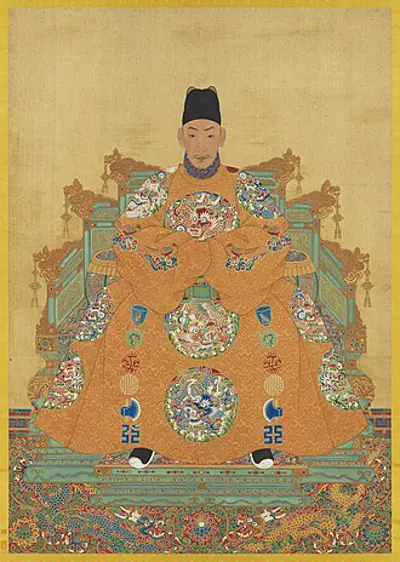
During the reign of the Zhengde Emperor, Ming dynasty rebel leader Zhu Zhifan is defeated by commander Qiu Yue, ending the Prince of Anhua rebellion.
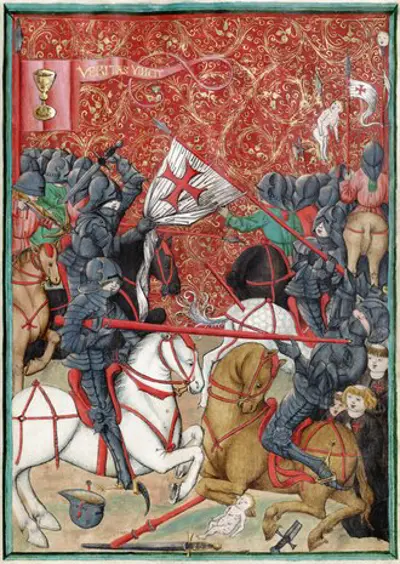
Hussite Wars: Battle of Lipany: Effectively ending the war, Utraquist forces led by Diviš Bořek of Miletínek defeat and almost annihilate Taborite forces led by Prokop the Great.
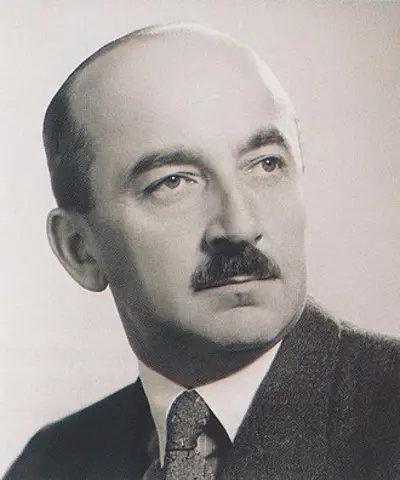
Ferenc Nagy, the democratically elected Prime Minister of Hungary, resigns from office after blackmail from the Hungarian Communist Party accusing him of being part of a plot against the state. This �

Cold War: George H. W. Bush and Mikhail Gorbachev sign a treaty to end chemical weapon production.