
1956
The Federal Aid Highway Act of 1956 is signed by U
The Federal Aid Highway Act of 1956 is signed by U.S. President Dwight D. Eisenhower, officially creating the United States Interstate Highway System.
758 results for “Albert II of Meissen” — type: events (349 ms)
The Federal Aid Highway Act of 1956 is signed by U.S. President Dwight D. Eisenhower, officially creating the United States Interstate Highway System.
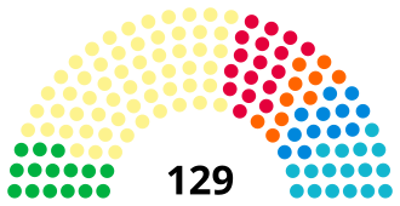
The Scottish Parliament is officially opened by Elizabeth II on the day that legislative powers are officially transferred from the old Scottish Office in London to the new devolved Scottish Executive�
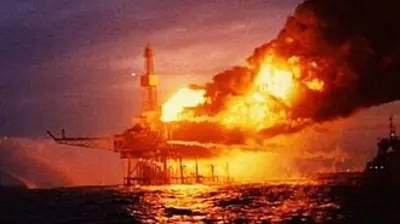
�lling platform in the North Sea is destroyed by explosions and fires. One hundred sixty-seven oil workers are killed, making it the world's worst offshore oil disaster in terms of direct loss of life.
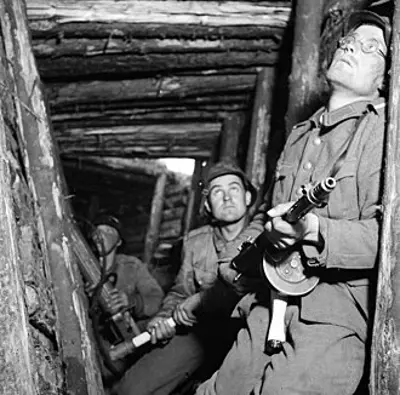
World War II: Continuation War: Finland wins the Battle of Tali–Ihantala, the largest battle ever fought in northern Europe. The Red Army withdraws its troops from Ihantala and digs into a defensive p�

World War II: The Allied invasion of Sicily begins, leading to the downfall of Mussolini and forcing Hitler to break off the Battle of Kursk.
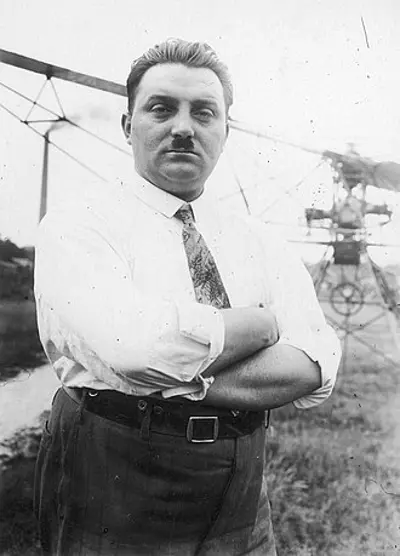
Engelbert Zaschka of Germany flies his large human-powered aircraft, the Zaschka Human-Power Aircraft, about 20 meters at Berlin Tempelhof Airport without assisted take-off.
Former president of the United States William Howard Taft is sworn in as 10th chief justice of the U.S. Supreme Court, becoming the only person ever to hold both offices.
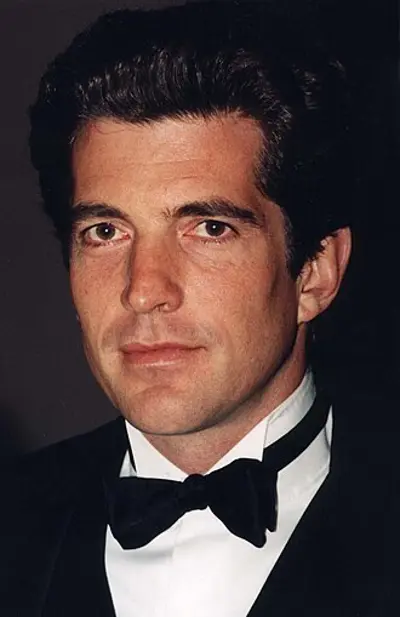
John F. Kennedy Jr., his wife, Carolyn Bessette-Kennedy, and her sister, Lauren Bessette, die when the aircraft he is piloting crashes into the Atlantic Ocean off the coast of Martha's Vineyard.
Pope Pontian succeeds Urban I as the eighteenth pope. After being exiled to Sardinia, he became the first pope to resign his office.

World War II: In response to the Japanese occupation of French Indochina, the United States, Britain and the Netherlands freeze all Japanese assets and cut off oil shipments.
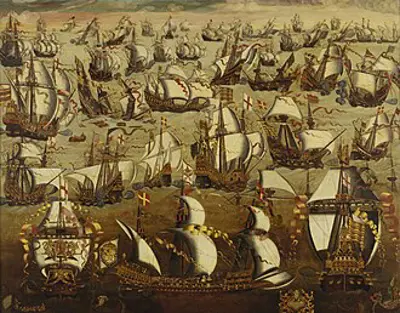
Anglo-Spanish War: Battle of Gravelines: English naval forces under the command of Lord Charles Howard and Sir Francis Drake defeat the Spanish Armada off the coast of Gravelines, France.
First Barbary War: The American schooner USS Enterprise captures the Tripolitan polacca Tripoli in a single-ship action off the coast of modern-day Libya.

World War I: The Battle of Amiens begins a string of almost continuous Allied victories with a push through the German front lines (Hundred Days Offensive).
As a direct result of the Watergate scandal, Richard Nixon becomes the first president of the United States to resign from office. Vice President Gerald Ford becomes president.
The all black infantrymen of the U.S. Army's 25th Infantry Regiment are accused of killing a white bartender and wounding a white police officer in Brownsville, Texas, despite exculpatory evidence; al�
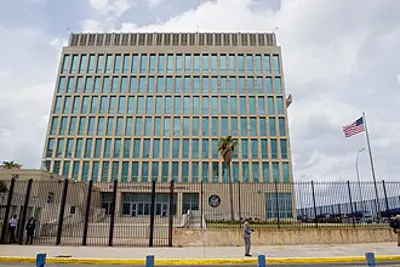
The U.S. Embassy in Havana, Cuba re-opens after 54 years of being closed when Cuba–United States relations were broken off.
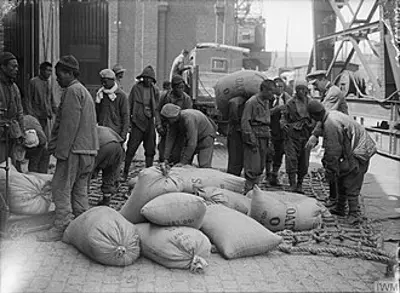
World War I: The Republic of China, which had heretofore been shipping labourers to Europe to assist in the war effort, officially declares war on the Central Powers, although it will continue to send�
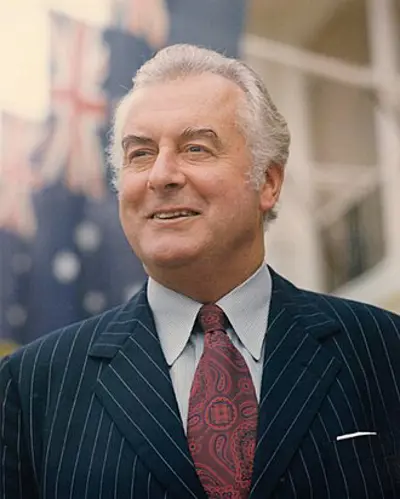
�r land to the Gurindji people after the eight-year Wave Hill walk-off, a landmark event in the history of Indigenous land rights in Australia, commemorated in a 1991 song by Paul Kelly and an annual c�
Skookum Jim Mason, George Carmack and Dawson Charlie discover gold in a tributary of the Klondike River in Canada, setting off the Klondike Gold Rush.
A first group of colonists sent by Sir Walter Raleigh under the charge of Ralph Lane lands in the New World to create Roanoke Colony on Roanoke Island, off the coast of present-day North Carolina.