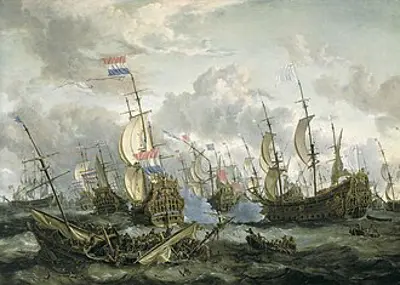
1667
The Second Anglo-Dutch War ended with the signing of the Treaty of Breda.
The Second Anglo-Dutch War ended with the signing of the Treaty of Breda.
1880 results for “William E. Simon” — type: selected (925 ms)
The Second Anglo-Dutch War ended with the signing of the Treaty of Breda.

Nearly 400 people died in a supermarket fire in Asunción, Paraguay, when exits were locked to prevent people from stealing merchandise.

Harriet Quimby became the first woman to earn an Aero Club of America aviator certificate.
Three days of rioting erupted after a parade in Philadelphia, celebrating the end of slavery in the West Indies, was attacked by a mob.
First Barbary War: USS Enterprise, an American schooner, captured the Tripolitan polacca Tripoli in a single-ship action off the coast of Libya.
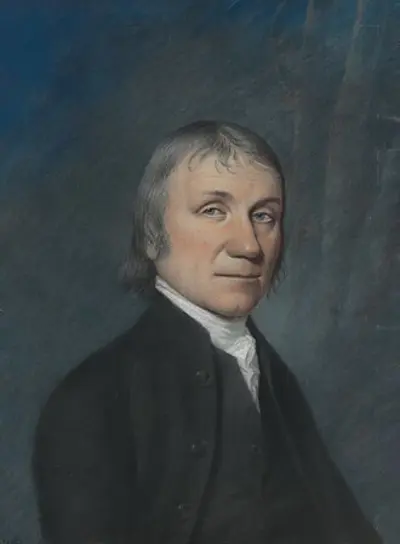
British scientist Joseph Priestley (pictured) liberated oxygen gas, corroborating the discovery of the element by the German-Swedish chemist Carl Wilhelm Scheele.
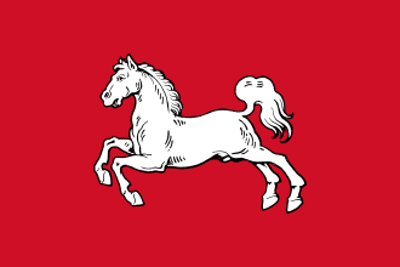
George Louis, Elector of Hanover, became King George I of Great Britain, marking the beginning of the Georgian era.
Upon the death of Justin I, his nephew and adopted son Justinian I became the sole ruler of the Byzantine Empire.

War of Actium: Octavian defeated the forces of Mark Antony and Cleopatra at Alexandria, establishing Roman Egypt.

The English rock band the Who released Who's Next, their only album to top the UK charts.

Leo Szilard (pictured) penned a letter, signed by Albert Einstein and addressed to U.S. president Franklin D. Roosevelt, warning that Germany may develop atomic bombs, leading to the establishment of�

At the California Institute of Technology, American physicist Carl David Anderson proved the existence of antimatter with the discovery of the positron, for which he would receive the 1936 Nobel Priz�
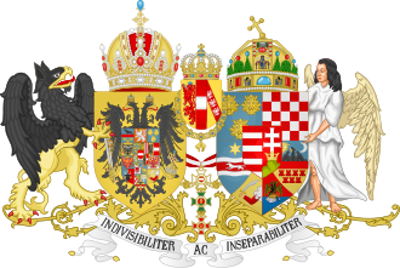
An explosion, blamed on Austro-Hungarian saboteurs, sank the Italian dreadnought Leonardo da Vinci.
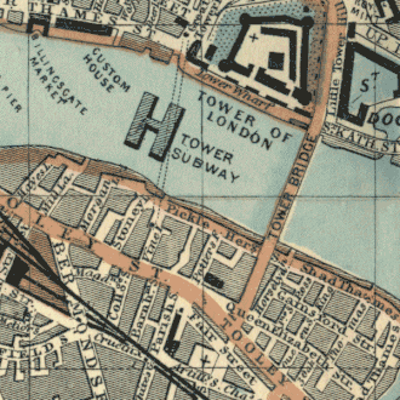
One of the world's earliest underground tube railways opened in the Tower Subway (interior depicted), a tunnel beneath the River Thames in London.
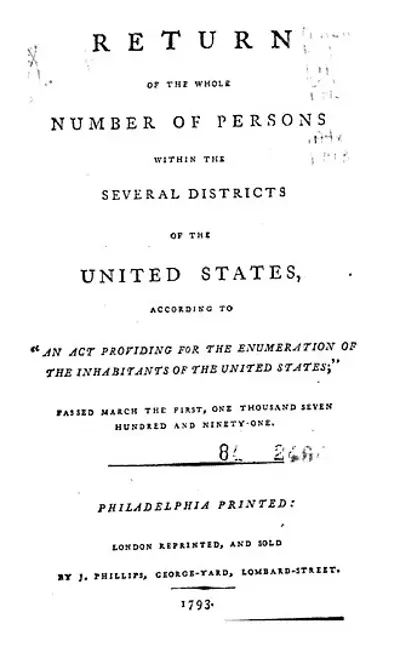
The first United States census was officially completed, with the nation's residential population enumerated to be 3,929,214.

Unpopular among the Senate aristocracy for his reforming efforts, Roman emperor Majorian was deposed by Ricimer and executed five days later.
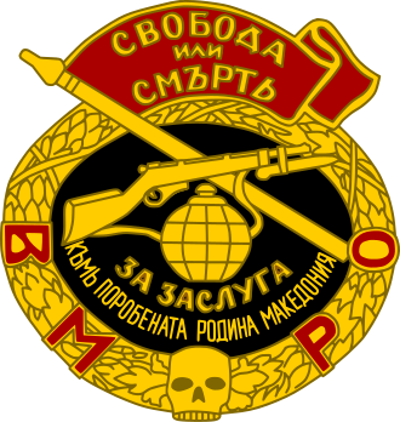
Macedonian rebels in Kruševo proclaimed a republic, which existed for ten days before Ottoman forces destroyed the town.
Indian Rebellion: An eight-day siege of a fortified outbuilding in Arrah occupied by 68 defenders against more than 10,000 men ended when a relief party dispersed the besiegers.

Hundred Years' War: The French town of Calais capitulated to English forces after an eleven-month siege, ending the Crécy campaign.

A large explosion of ammonium nitrate stored at the Port of Beirut in Lebanon killed 218 people and caused US$15 billion in damage.