1797
Edmund Burke, Irish-English philosopher, academic, and politician (born 1729)
Edmund Burke, Irish-English philosopher, academic, and politician (born 1729)
19331 results for “Francesc Pi i Margall” (1542 ms)
Edmund Burke, Irish-English philosopher, academic, and politician (born 1729)
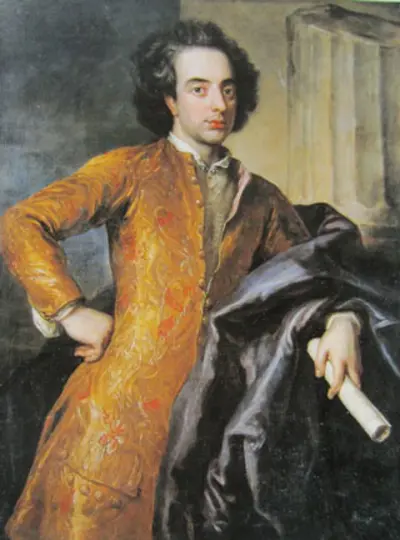
Giovanni Bononcini, Italian cellist and composer (born 1670)
Guido of Ravenna, Italian cartographer, entomologist and historian

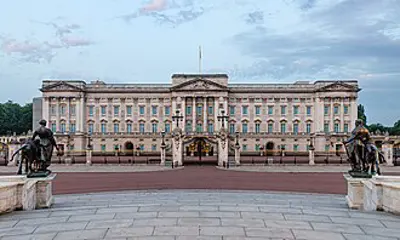
A British man named Michael Fagan broke into Buckingham Palace and entered Queen Elizabeth II's bedroom when she was asleep.
The inaugural Wimbledon Championship, the world's oldest tennis tournament, began in London.

The Fourteenth Amendment to the United States Constitution, including the Citizenship Clause and the Equal Protection Clause, was ratified by the minimum required twenty-eight states.

Former Macedonian Interior Minister Ljube Boškoski is acquitted of all war-crimes charges by a United Nations tribunal.
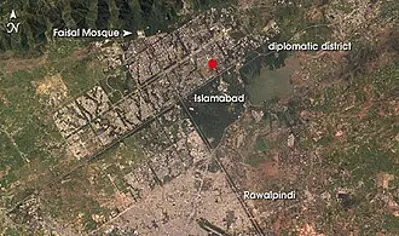
The Pakistani military storms the Lal Masjid mosque in Islamabad, which had been seized by Islamist militants.
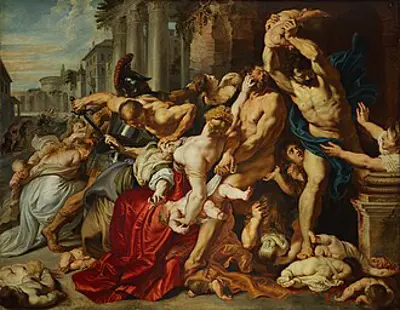
The Massacre of the Innocents, a painting by Peter Paul Rubens, is sold at a Sotheby's auction for £49.5 million (US$76.2 million) to Lord Thomson.

The South African cricket team is readmitted into the International Cricket Council following the end of Apartheid.

A Beechcraft Model 99 crashes near Birmingham Municipal Airport (now Birmingham–Shuttlesworth International Airport) in Birmingham, Alabama, killing 13 of the 15 people on board.
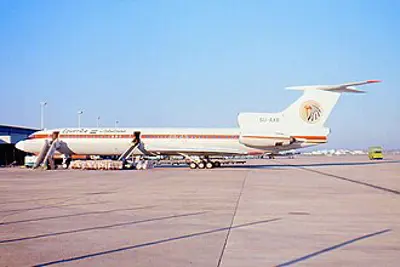
An EgyptAir Tupolev Tu-154 stalls and crashes at Cairo International Airport, killing all six people on board.

The Bahamas gains full independence within the Commonwealth of Nations.

New Zealand decimalises its former currency to the modern-day New Zealand dollar.
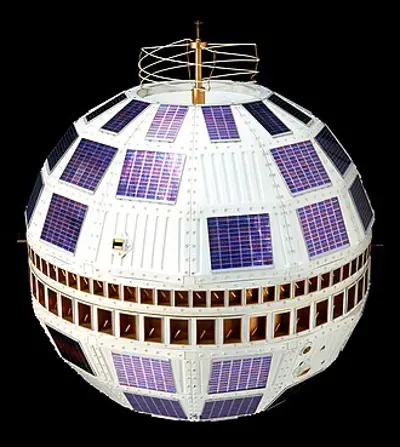
Telstar, the world's first communications satellite, is launched into orbit.
World War II: Operation Husky, the Allied invasion of Sicily, begins.
Kevin O'Higgins TD, Vice-President of the Executive Council of the Irish Free State, is assassinated by the IRA.
War of the Pacific: Chile suffers its last military defeat in the Battle of La Concepción when a garrison of 77 men is annihilated by a 1,300-strong Peruvian force, many of them armed with spears.