Vietnam War: Operation Frequent Wind: The U
Vietnam War: Operation Frequent Wind: The U.S. begins to evacuate U.S. citizens from Saigon before an expected North Vietnamese takeover. U.S. involvement in the war comes to an end. This happens aft�
1196 results for “Steve Bégin” (164 ms)
Vietnam War: Operation Frequent Wind: The U.S. begins to evacuate U.S. citizens from Saigon before an expected North Vietnamese takeover. U.S. involvement in the war comes to an end. This happens aft�
American Civil War: The Battle of Chancellorsville between Robert E. Lee's Confederate Army of Northern Virginia and the Union Army of the Potomac under Joseph Hooker begins.
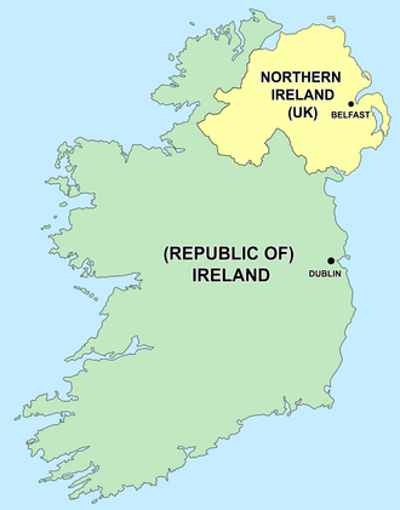
The Troubles: A car bomb planted by Ulster loyalists exploded outside a crowded pub in Belfast, Northern Ireland, beginning two days of gun battles between the British Army, the Provisional Irish Rep�
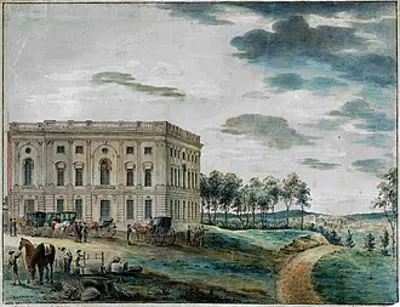
The 6th United States Congress recesses, and the process of moving the Federal government of the United States from Philadelphia to Washington, D.C., begins the following day.
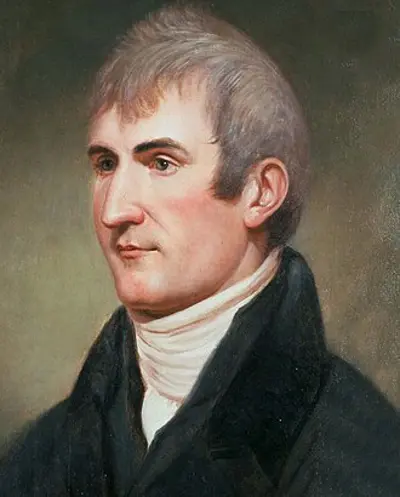
Led by Meriwether Lewis and William Clark, the Corps of Discovery left Camp Dubois near present-day Hartford, Illinois, to begin the first overland expedition to the West Coast of the United States a�
World War II: The Battle of the Netherlands: After fierce fighting, the poorly trained and equipped Dutch troops surrender to Germany, marking the beginning of five years of occupation.
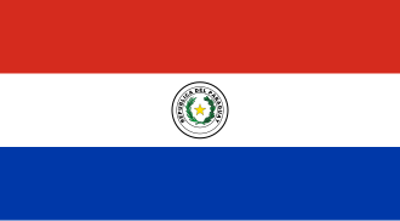
Independence Day (Paraguay), celebrates the independence of Paraguay from Spain in 1811. Celebrations for the anniversary of the independence begin on Flag Day, May 14.
American Civil War: Union forces under Ulysses S. Grant begin the Siege of Vicksburg during the Vicksburg campaign in order to take full control of the Mississippi River.
The victory military parade by the Finnish White Guard is held in Helsinki celebrating their decisive victory in the Finnish Civil War. The day also begin to be celebrated on the Defence Forces Flag �
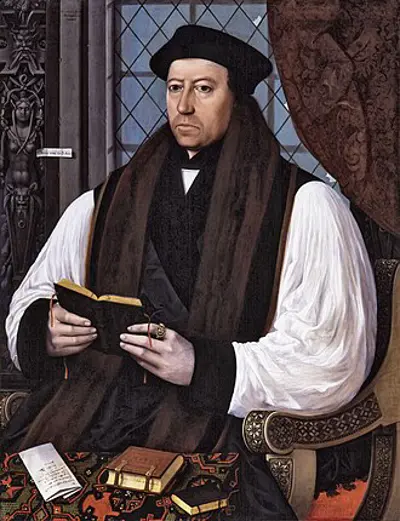
Thomas Cranmer, Archbishop of Canterbury, annulled Henry VIII's marriage to his first wife Catherine of Aragon (pictured), beginning events that would culminate in the English Reformation.
Charles II lands at Dover at the invitation of the Convention Parliament, which marks the end of the Cromwell-proclaimed Commonwealth of England, Scotland and Ireland and begins the Restoration of th�
U.S. President Ronald Reagan begins his first visit to the Soviet Union when he arrives in Moscow for a superpower summit with the Soviet leader Mikhail Gorbachev.
The court-martial for malfeasance of Benedict Arnold, a general in the Continental Army during the American Revolutionary War, begins.
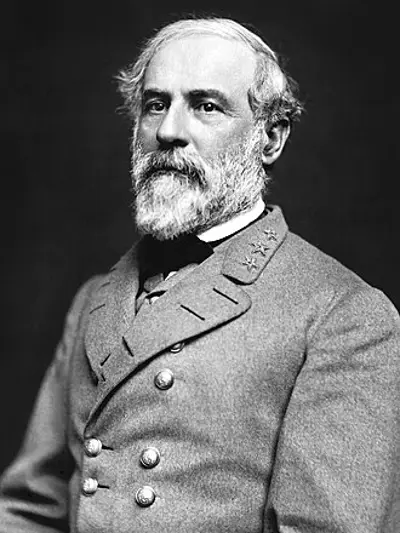
American Civil War: Robert E. Lee and his Army of Northern Virginia begin marching to invade the North for a second time, starting the Gettysburg campaign.
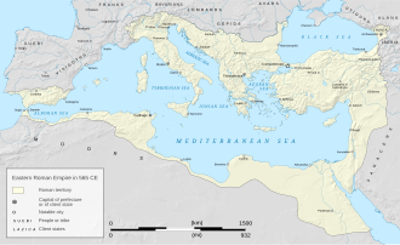
The Byzantine emperor Philippicus is blinded, deposed and sent into exile by conspirators of the Opsikion army in Thrace. He is succeeded by Anastasios II, who begins the reorganization of the Byzant�
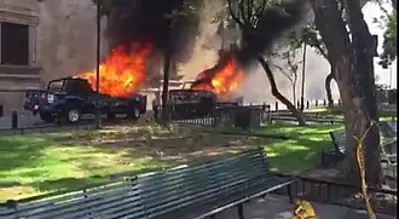
Death of Giovanni López: Protests over the death of Giovanni López Ramírez, who had died on 4 May while in custody, begin in Jalisco following the release of a video of his arrest going viral on soci�
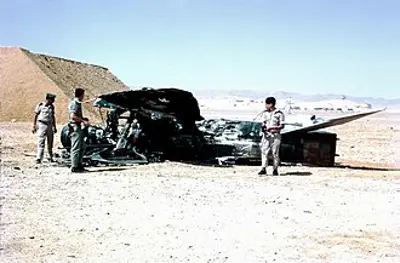
Following Israel's initiation of Operation Focus with the goal to neutralise the Egyptian Air Force, Syrian Air Force, and the Royal Jordanian Air Force, the Six-Day War begins.
Spanish–American War: In the Battle of Guantánamo Bay, U.S. Marines begin the American invasion of Spanish-held Cuba.
Johann Sebastian Bach leads his cantata O Ewigkeit, du Donnerwort (O eternity, you word of thunder), BWV 20, on the first Sunday after Trinity, beginning his second cycle, the chorale cantata cycle.
J. S. Bach led his cantata O Ewigkeit, du Donnerwort, BWV 20, in Leipzig on the first Sunday after Trinity, beginning his chorale cantata cycle.