The Kansas–Nebraska Act became law, establishing the U
The Kansas–Nebraska Act became law, establishing the U.S. territories of Nebraska and Kansas, and allowing their settlers to determine if slavery would be permitted.
73000 results for “Michael A. Stackpole” (2925 ms)
The Kansas–Nebraska Act became law, establishing the U.S. territories of Nebraska and Kansas, and allowing their settlers to determine if slavery would be permitted.
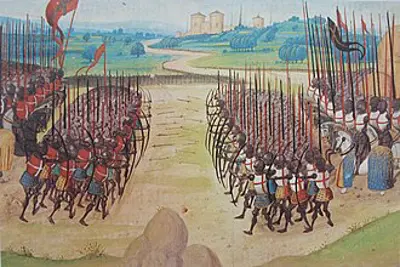
Johann Sebastian Bach (pictured) assumed the office of Thomaskantor in Leipzig, presenting the cantata Die Elenden sollen essen in St. Nicholas Church.
Hundred Years' War: After being convicted of heresy, Joan of Arc was burned at the stake in Rouen, France.
Harambe was shot and killed after grabbing a three-year-old boy in his enclosure at the Cincinnati Zoo and Botanical Garden, drawing widespread criticism and inspiring internet memes.
English king Æthelstan begins his invasion of Scotland.
A car bomb explodes in a crowded intersection in Kabul near the German embassy during rush hour, killing over 90 and injuring 463.
The asteroid 1998 QE2 and its moon make their closest approach to Earth for the next two centuries.
Air France retires its fleet of Concorde aircraft.
Bicesse Accords in Angola lay out a transition to multi-party democracy under the supervision of the United Nations' UNAVEM II peacekeeping mission.
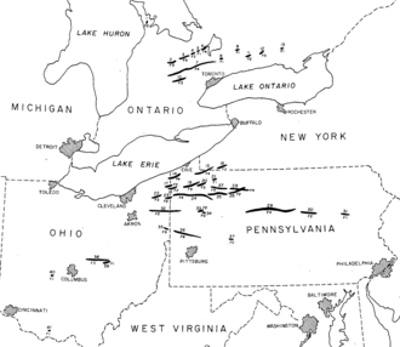
United States–Canada tornado outbreak: Forty-one tornadoes hit Ohio, Pennsylvania, New York, and Ontario, leaving 76 dead.
Indian Airlines Flight 440 crashes near Palam Airport in Delhi, killing 48.
In accordance with the Uniform Monday Holiday Act passed by the U.S. Congress in 1968, observation of Memorial Day occurs on the last Monday in May for the first time, rather than on the traditional �
The Uniform Code of Military Justice takes effect as the legal system of the United States Armed Forces.
World War II: Imperial Japanese Navy midget submarines begin a series of attacks on Sydney, Australia.
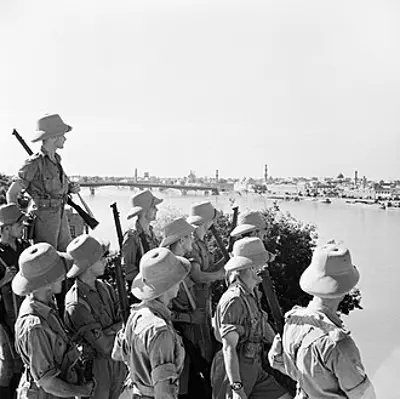
Anglo-Iraqi War: The United Kingdom completes the re-occupation of Iraq and returns 'Abd al-Ilah to power as regent for Faisal II.
The South Africa Act comes into force, establishing the Union of South Africa.
The National Negro Committee, forerunner to the National Association for the Advancement of Colored People (NAACP), convenes for the first time.
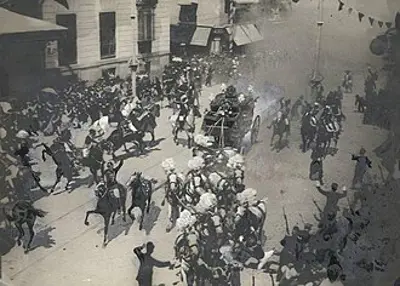
The attempted regicide of Spanish King Alfonso XIII and Queen Victoria Eugenie on their wedding day instead kills 24
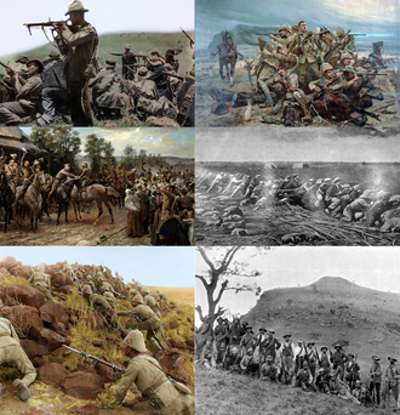
Second Boer War: The Treaty of Vereeniging ends the war and ensures British control of South Africa.