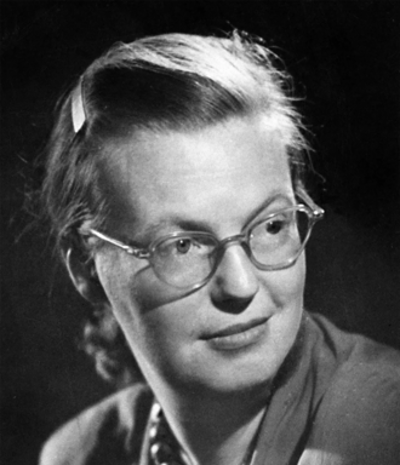
1948
Shirley Jackson's short story "The Lottery" is published in The New Yorker magazine
Shirley Jackson's short story "The Lottery" is published in The New Yorker magazine.
9119 results for “C. J. Beathard” — type: events (2009 ms)
Shirley Jackson's short story "The Lottery" is published in The New Yorker magazine.
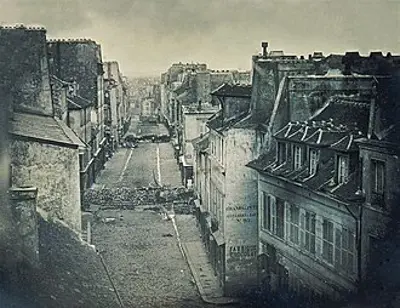
Ulrich von Jungingen becomes Grand Master of the Teutonic Knights.
En no Ozuno, a Japanese mystic and apothecary who will later be regarded as the founder of a folk religion Shugendō, is banished to Izu Ōshima.

The President of Uruguay Juan María Bordaberry dissolves Parliament and establishes a dictatorship.
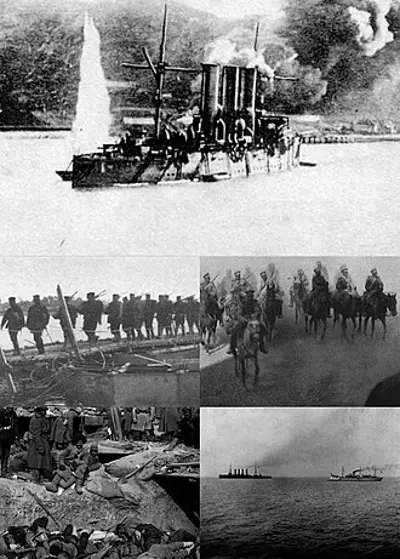
During the Russo-Japanese War, sailors start a mutiny aboard the Russian battleship Potemkin.
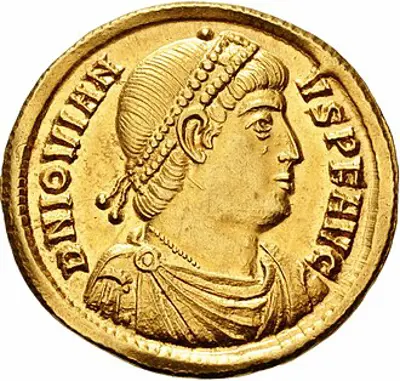
Jovian is proclaimed Roman emperor following the death of emperor Julian in the previous night.
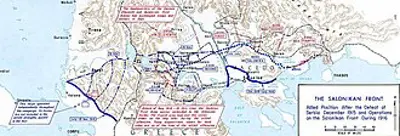
Second British invasion of the Río de la Plata; John Whitelocke lands at Ensenada on an attempt to recapture Buenos Aires and is defeated by the locals.
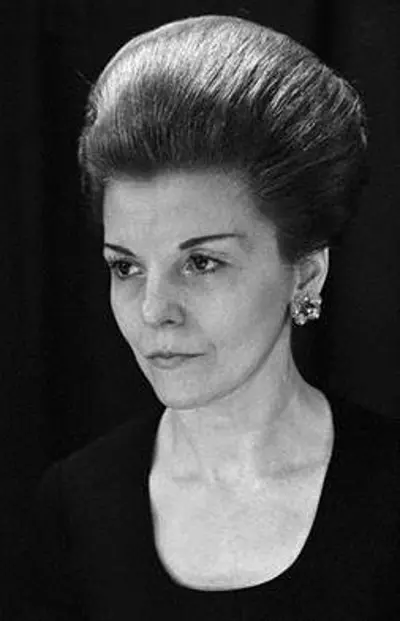
Vice President Isabel Perón assumes powers and duties as Acting President of Argentina, while her husband President Juan Perón is terminally ill.
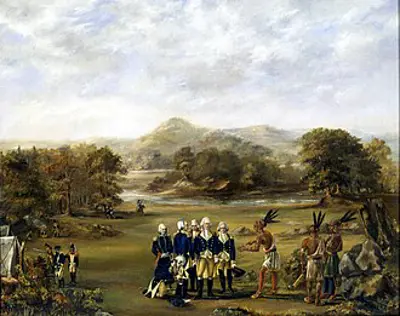
Northwest Indian War: Native American forces under Blue Jacket attack Fort Recovery.
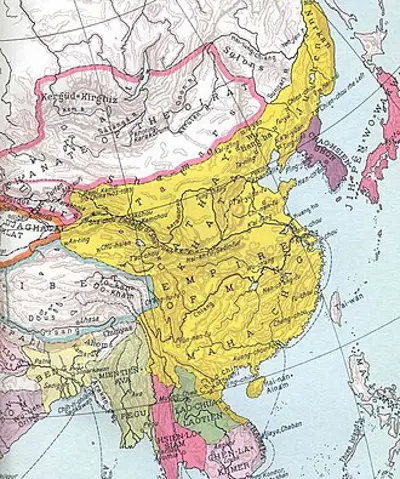
Zhu Yunwen ascended the throne to the Ming dynasty to become the Jianwen Emperor.
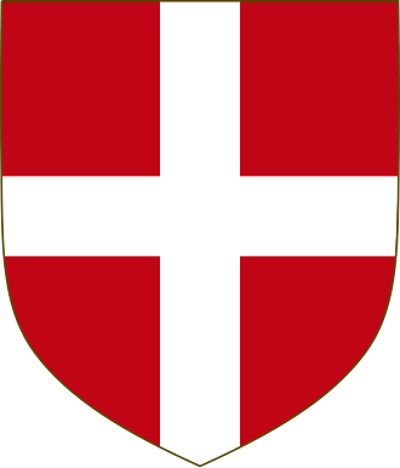
A joined Hospitaller-Venetian fleet defeats a numerically superior Ottoman fleet in the battle of the Dardanelles.

Tiberius Julius Alexander orders his Roman legions in Alexandria to swear allegiance to Vespasian as Emperor.
Battle of Brissarthe: The Franks led by Robert the Strong are defeated by a joint Breton-Viking army.
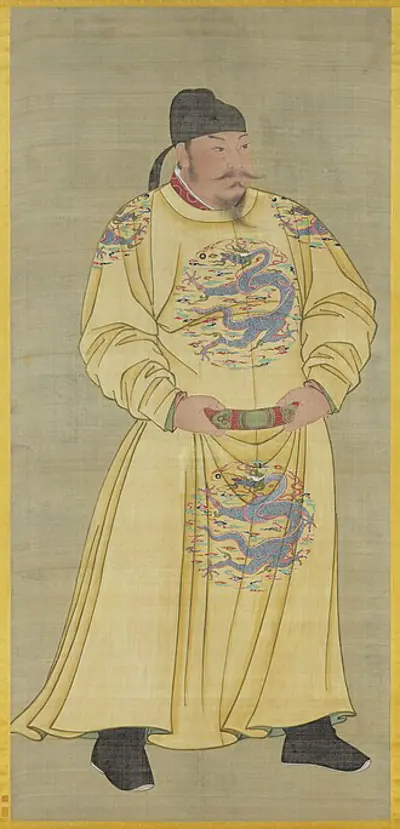
Li Shimin, the future Emperor Taizong of Tang, ambushes and kills his rival brothers Li Yuanji and Li Jiancheng in the Xuanwu Gate Incident.
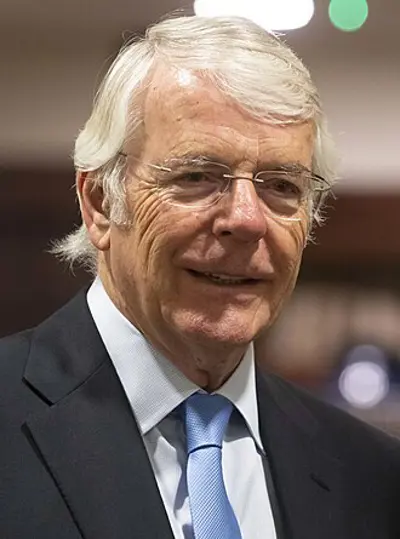
British Prime Minister John Major announced the Stone of Scone would be returned to Scotland.

Japan launches the Nozomi probe to Mars, joining the United States and Russia as a space exploring nation.

Three Iranian diplomats and a journalist are kidnapped in Lebanon by Phalange forces, and their fate remains unknown.
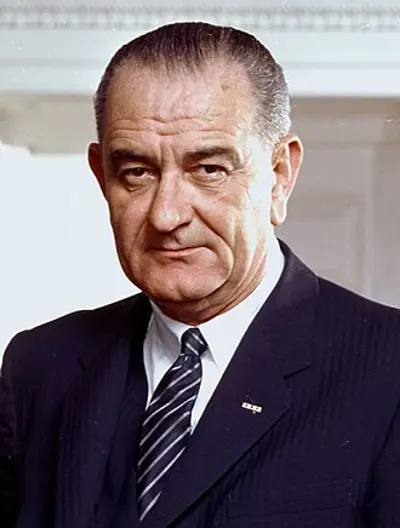
U.S. President Lyndon B. Johnson signs the Freedom of Information Act into United States law. The act went into effect the next year.