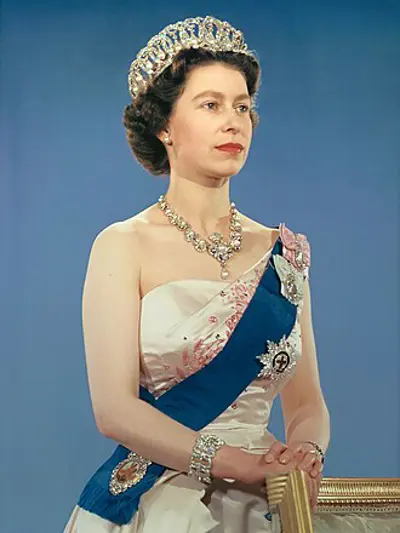
Queen Elizabeth II opened the Severn Bridge, suggesting that it marked the dawn of a new economic era for South Wales.
3023 results for “Nelson S. Bond” — type: selected (1158 ms)
Queen Elizabeth II opened the Severn Bridge, suggesting that it marked the dawn of a new economic era for South Wales.
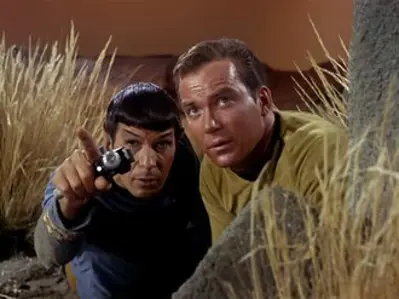
�fiction show Star Trek made its American premiere with "The Man Trap", launching a media franchise that has since created a cult phenomenon and has influenced the design of many current technologies.
Queen Elizabeth II opened the Severn Bridge (pictured), suggesting that it marked the dawn of a new economic era for South Wales.
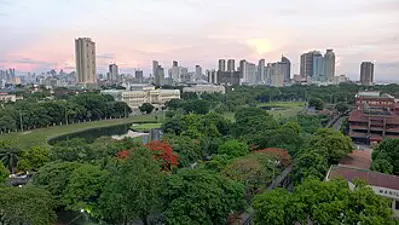
Eight nations signed a collective-defense treaty in Manila to create the Southeast Asia Treaty Organization (flag pictured), modelled on NATO.
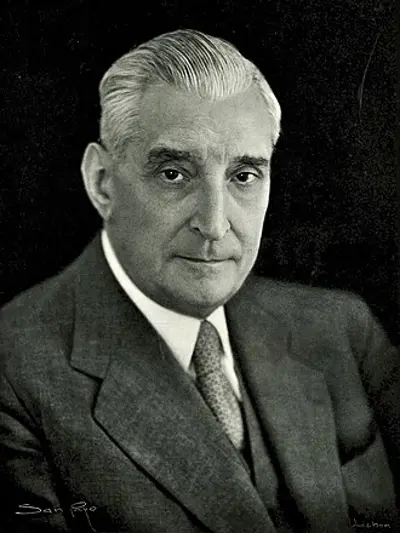
Opposed to António de Oliveira Salazar's support of the Nationalists in the Spanish Civil War, the crews of the Portuguese Navy ships NRP Afonso de Albuquerque and NRP Dão mutinied while anchored in �
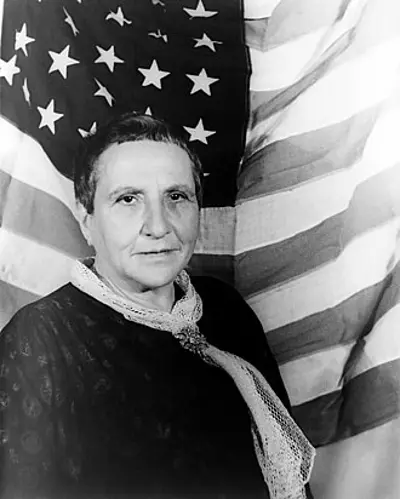
Gertrude Stein meets her life partner and muse, Alice B. Toklas in Paris.
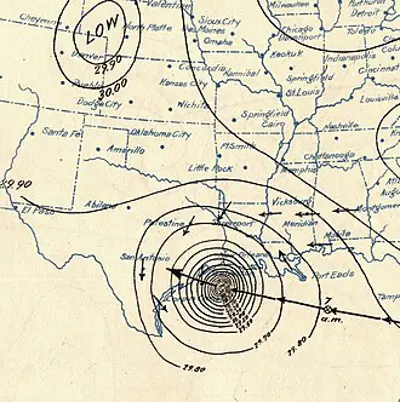
�he Great Galveston hurricane, the deadliest natural disaster in U.S. history, struck Galveston, Texas, with estimated winds of 135 miles per hour (215 km/h) at landfall, killing at least 6,000 people.
The Russian Empire suppressed the November Uprising in Poland with the capture of Warsaw after a two-day assault.
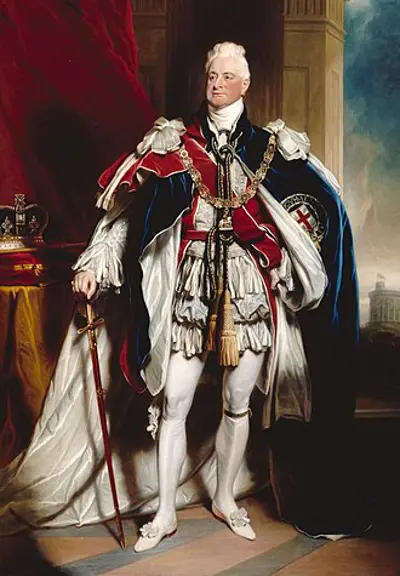
William IV and Adelaide of Saxe-Meiningen were crowned King and Queen of the United Kingdom of Great Britain and Ireland.
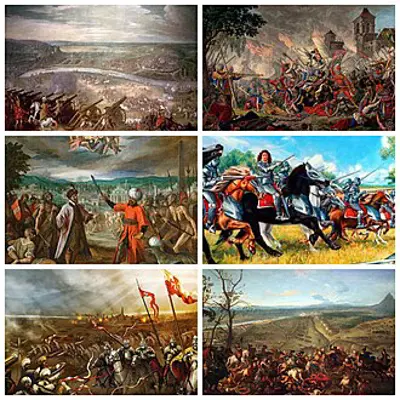
Ottoman–Habsburg wars: Although Ottoman forces led by Suleiman the Magnificent captured the fortress of Szigetvár in Hungary, they were forced to end their campaign to take Vienna.
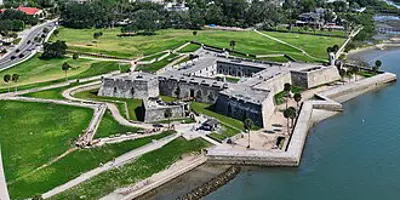
St. Augustine, Florida, the oldest continuously occupied settlement of European origin in the contiguous United States, was founded by Spanish admiral Pedro Menéndez de Avilés.
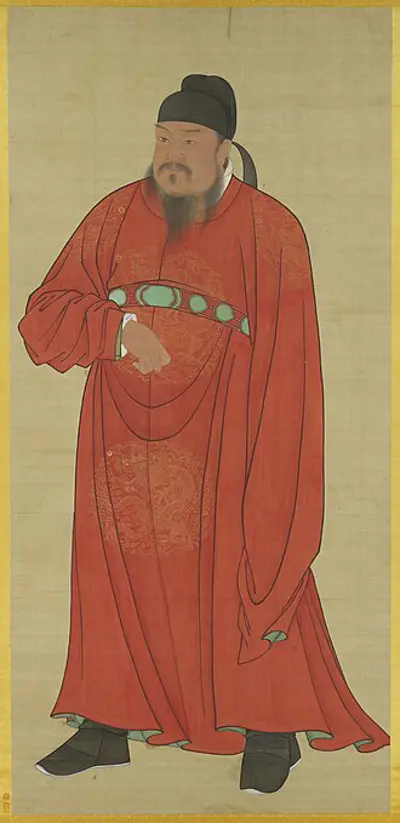
Li Yuan defeated a Sui army at the Battle of Huoyi, opening the path to his capture of the Chinese imperial capital Chang'an and the eventual establishment of the Tang dynasty.
A natural-gas pipeline in San Bruno, California, exploded and "shot a fireball more than 1,000 feet (300 m) in the air", killing eight people.
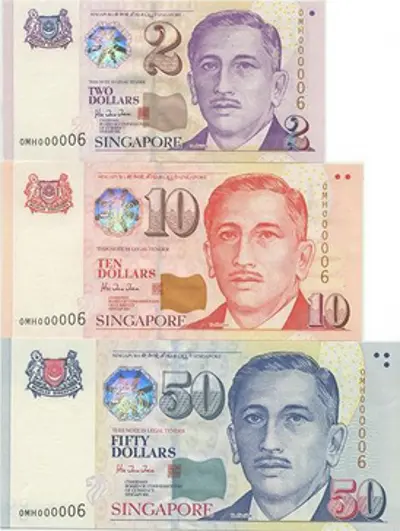
The first banknotes of the Portrait Series of the Singapore dollar were introduced by the Board of Commissioners of Currency.
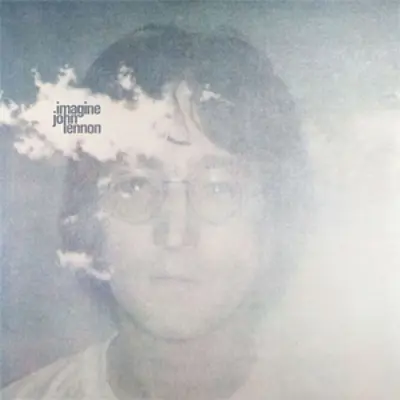
Imagine, the second solo album by John Lennon (pictured), was released.
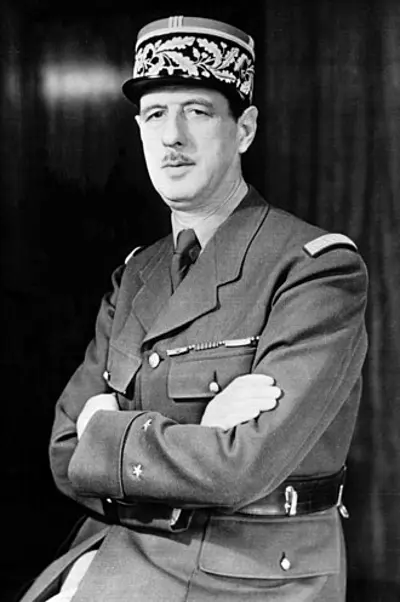
French president Charles de Gaulle delivered his "speech to the German youth" to 20,000 people in the courtyard of Ludwigsburg Palace (pictured).
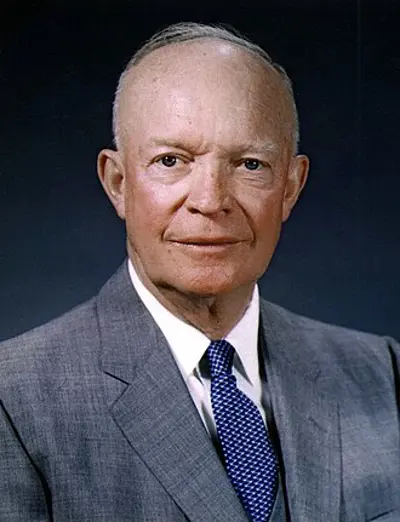
U.S. president Dwight D. Eisenhower signed the Civil Rights Act of 1957, the first civil rights bill since Reconstruction.
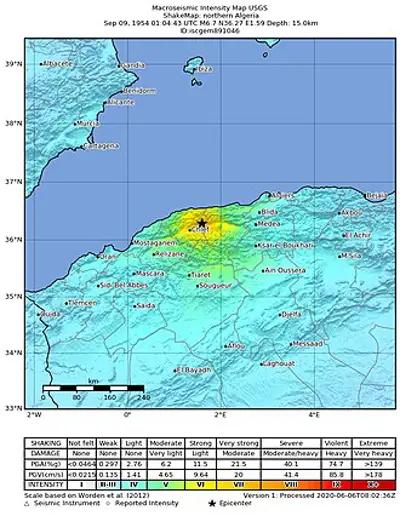
A magnitude-6.7 earthquake struck near Chlef, killing over 1,200 people and forcing the Algerian government to implement comprehensive reforms in building codes.
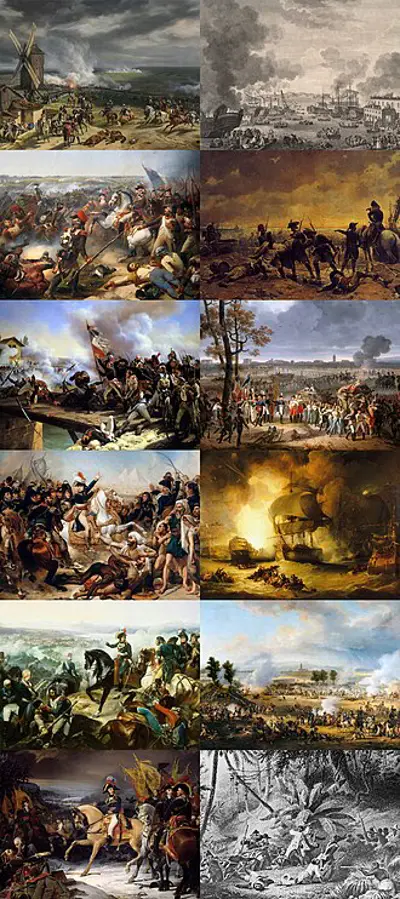
French Revolutionary Wars: A naval engagement between French and British fleets off the coast of Sumatra ended inconclusively.
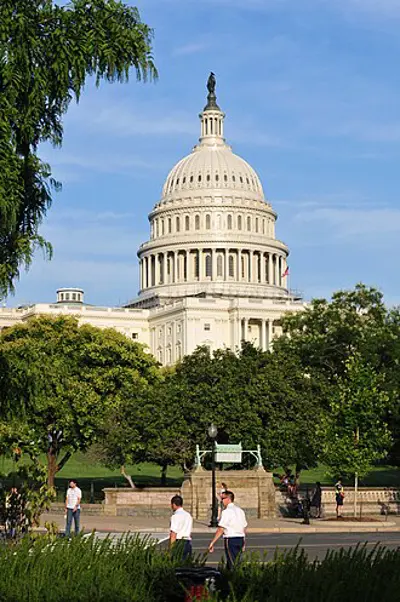
The commissioners overseeing the construction of the United States' new capital city named it Washington, D.C., in honor of the first president.