
1862
American Civil War: Forces under U
American Civil War: Forces under U.S. Admiral David Farragut demand the surrender of the Confederate city of New Orleans, Louisiana.
667 results for “Louis Hofmann, German actor” — type: events (533 ms)
American Civil War: Forces under U.S. Admiral David Farragut demand the surrender of the Confederate city of New Orleans, Louisiana.
The Territory of Orleans becomes the 18th U.S. state under the name Louisiana.
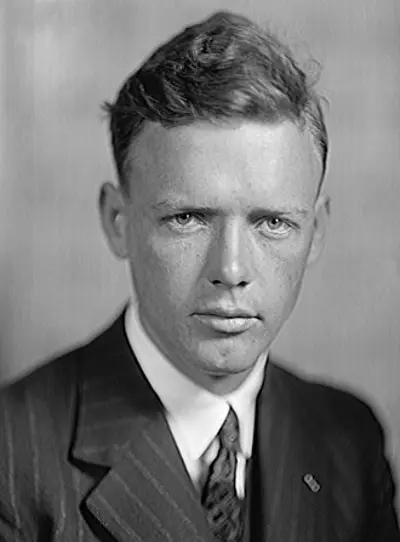
Charles Lindbergh takes off for Paris from Roosevelt Field in Long Island, N.Y., aboard the Spirit of St. Louis on the first nonstop solo flight across the Atlantic Ocean, landing 33+1⁄2 hours later.
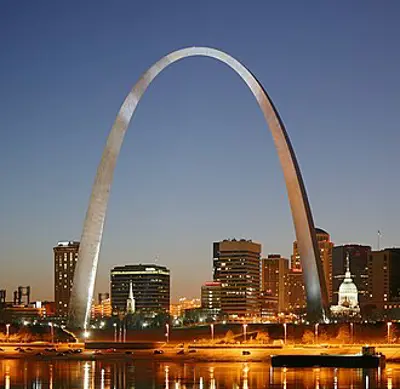

Republican U.S. House Majority Whip Steve Scalise of Louisiana, and three others, are shot and wounded while practicing for the annual Congressional Baseball Game.
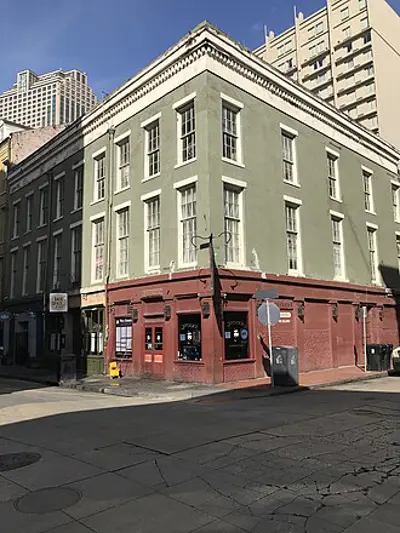
�y bar located on the second floor of the three-story building at 141 Chartres Street in the French Quarter of New Orleans, Louisiana, US. Thirty-two people die as a result of fire or smoke inhalation.
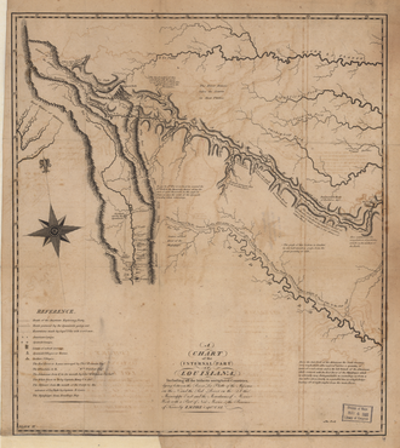
Pike Expedition: United States Army Lieutenant Zebulon Pike begins an expedition from Fort Bellefontaine near St. Louis, Missouri, to explore the west.
American Civil War: The Confederate ironclad CSS Arkansas is scuttled on the Mississippi River after suffering catastrophic engine failure near Baton Rouge, Louisiana.
Cesare Borgia, son of Pope Alexander VI, becomes the first person in history to resign the cardinalate; later that same day, King Louis XII of France names him Duke of Valentinois.
The Battle of Delhi, during the Second Anglo-Maratha War, between British troops under General Lake, and Marathas of Scindia's army under General Louis Bourquin ends in a British victory.
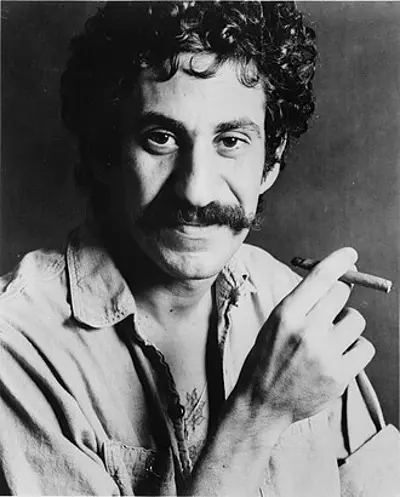
Singer Jim Croce, songwriter and musician Maury Muehleisen and four others die when their light aircraft crashes shortly after takeoff from Natchitoches Regional Airport in Louisiana.
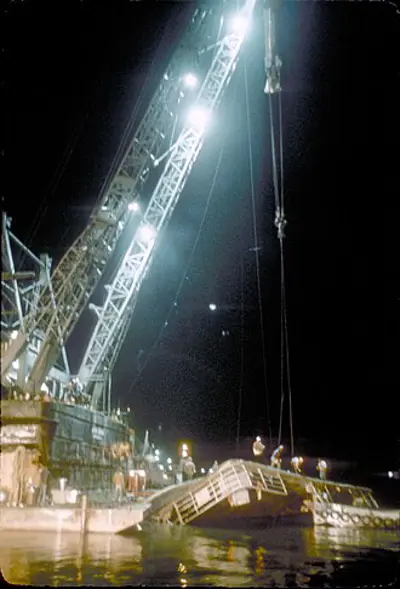
�s struck by the Norwegian freighter SS Frosta while crossing the Mississippi River in St. Charles Parish, Louisiana. Seventy-eight passengers and crew die, and only 18 people aboard the ferry survive.

World War II: The Red Army begins the final assault on German forces around Berlin, with nearly one million troops fighting in the Battle of the Seelow Heights.

More than 7,000 die when the German transport ship Goya is sunk by a Soviet submarine.

World War II: The Italian-German Tarigo convoy is attacked and destroyed by British ships.

The Treaty of Rapallo, pursuant to which Germany and the Soviet Union re-establish diplomatic relations, is signed.
World War II: The Axis powers invasion of Yugoslavia is completed when it signs an armistice with Germany and Italy.

World War II: Over 1,000 bombers attack the small island of Heligoland, Germany.

World War I: French pilot Roland Garros is shot down and glides to a landing on the German side of the lines.
