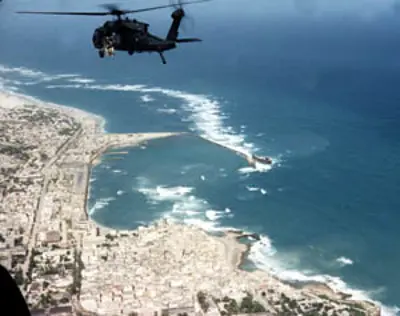
1993
An American attack against a warlord in Mogadishu fails; eighteen US soldiers and over 350 Somalis die.
An American attack against a warlord in Mogadishu fails; eighteen US soldiers and over 350 Somalis die.
64780 results for “W. E. D. Ross” (4274 ms)
An American attack against a warlord in Mogadishu fails; eighteen US soldiers and over 350 Somalis die.
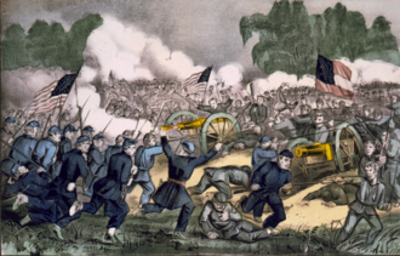
American Civil War: The two-day Second Battle of Corinth begins as Confederate forces under General Earl Van Dorn attack Union defenses led by General William Rosecrans around Corinth, Mississippi.

Roberto Azevêdo, Brazilian engineer and diplomat, 6th Director-General of the World Trade Organization
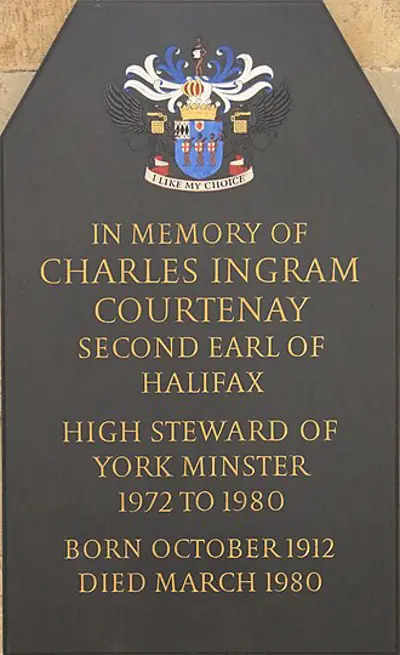
Charles Wood, 2nd Earl of Halifax, British peer, Conservative politician (died 1980)
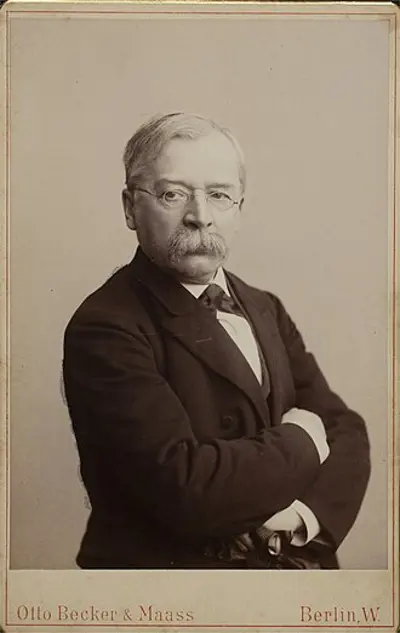
Woldemar Bargiel, German composer and educator (died 1897)
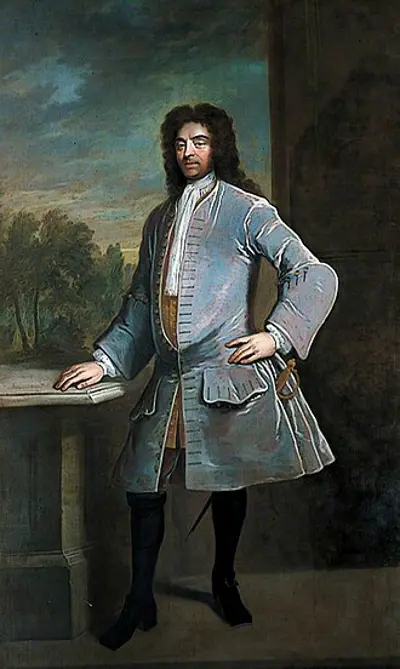
Joseph Williamson, English politician, Secretary of State for the Northern Department (born 1633)
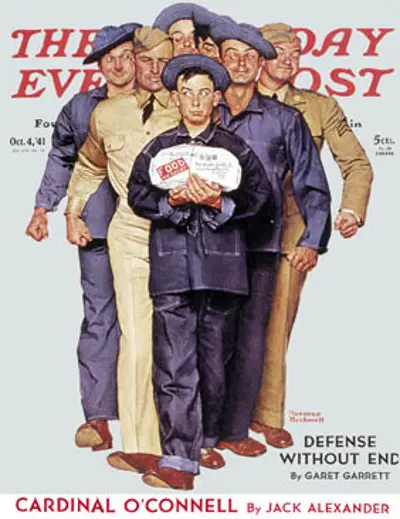
Norman Rockwell's Willie Gillis character debuts on the cover of The Saturday Evening Post.
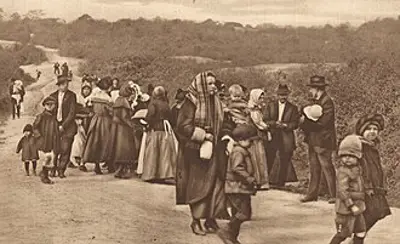
World War I: An explosion kills more than 100 people and destroys a Shell Loading Plant in New Jersey.
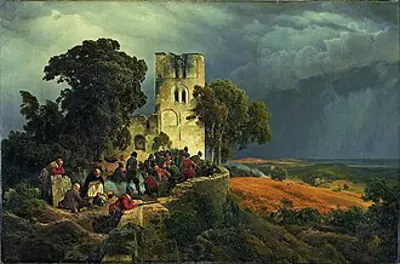
Thirty Years' War: The Swedish Army defeats the armies of Saxony and the Holy Roman Empire at the Battle of Wittstock.
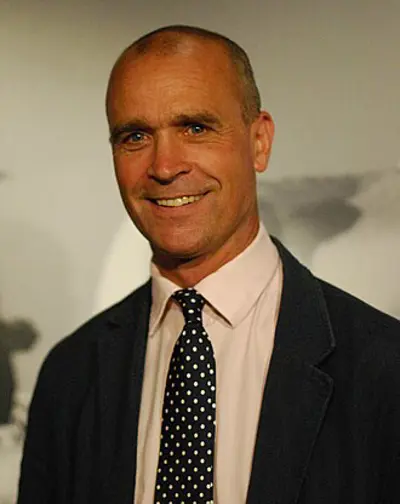
Henry Worsley, English colonel and explorer (died 2016)
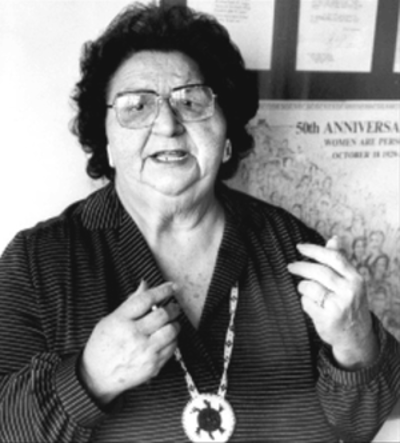
Mary Two-Axe Earley, Canadian indigenous women's rights activist (died 1996)
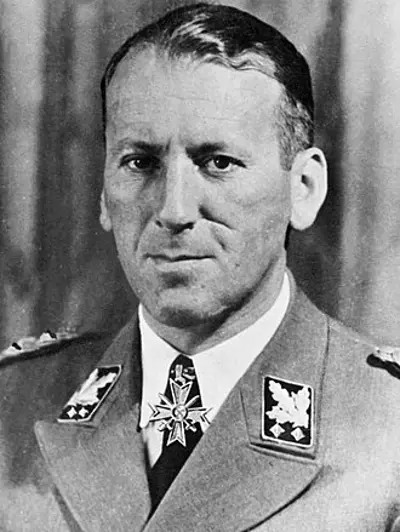
Ernst Kaltenbrunner, Austrian-German lawyer and general, convicted Nuremberg war criminal (died 1946)
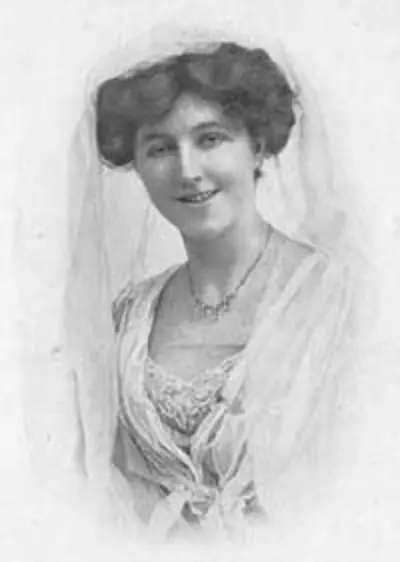
Dorothy Lawrence, English reporter, who secretly posed as a man to become a soldier during World War I (died 1964)
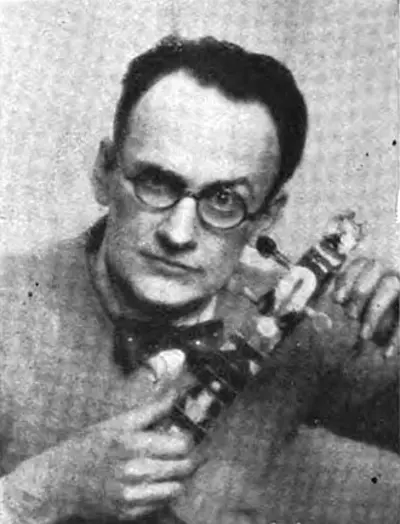
Robert Edwards, American artist, musician, and writer (died 1948)
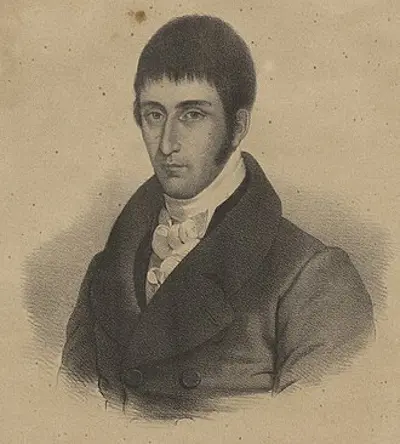
Francisco José de Caldas, Colombian naturalist, executed by royalists in the war of independence (died 1816)
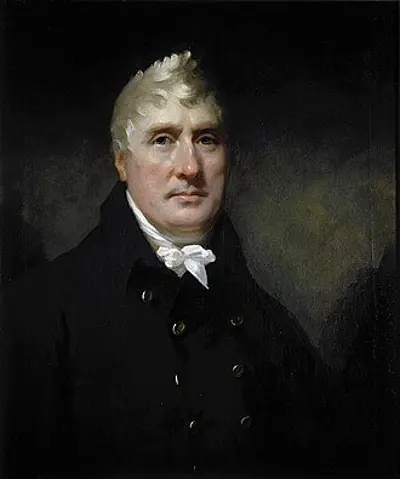
John Rennie the Elder, Scottish engineer, designed the Waterloo Bridge (born 1761)
Willie Gillis, one of Norman Rockwell's trademark characters, debuted on the cover of The Saturday Evening Post.
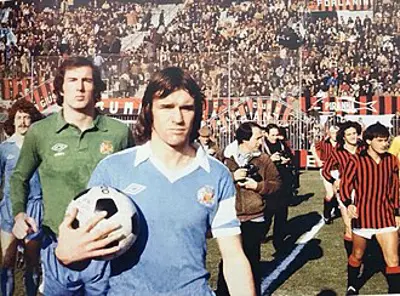
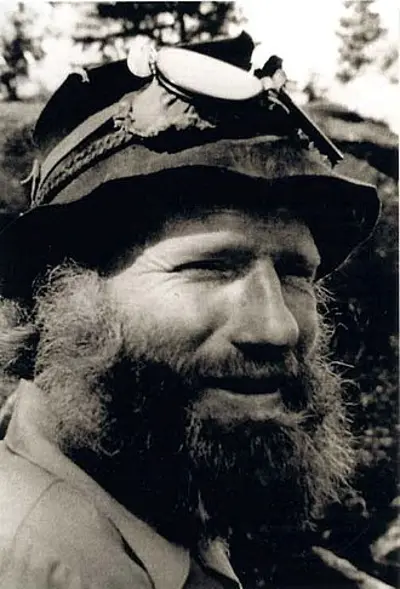
Willi Unsoeld, American mountaineer and educator (died 1979)
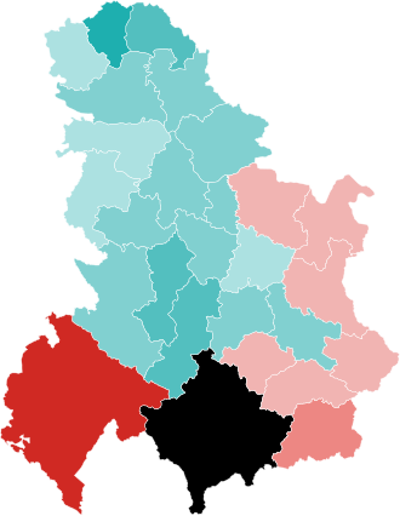
Colour revolutions: During protests over irregularities in the Yugoslavian general election, a wheel-loader was driven into the Radio Television of Serbia building, giving the protests the nickname "�