2019
Alfredo Pérez Rubalcaba, Spanish politician and chemist (born 1951)
Alfredo Pérez Rubalcaba, Spanish politician and chemist (born 1951)
78536 results for “A. R. Gurney” (4379 ms)
Alfredo Pérez Rubalcaba, Spanish politician and chemist (born 1951)
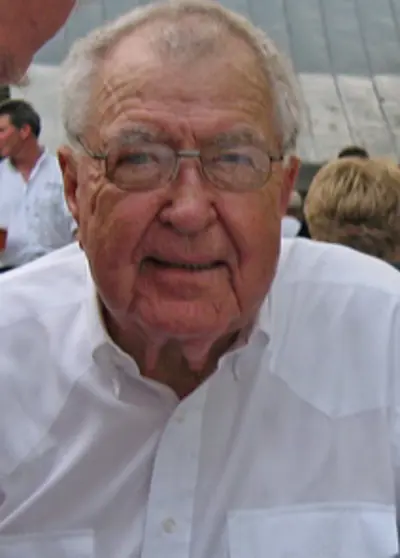
Carroll Shelby, American race car driver and designer (born 1923)
Yves Robert, French actor, director, producer, and screenwriter (born 1920)
Mikhail Larionov, Russian painter, illustrator, and set designer (born 1881)
Yury Olesha, Russian author, poet, and playwright (born 1899)
Mikhail Saltykov-Shchedrin, Russian journalist, author, and playwright (born 1826)
Paul Revere, American engraver and soldier (born 1735)

World War II: German Deputy Führer Rudolf Hess (pictured) parachuted into Scotland in an attempt to negotiate peace with the British government.
British prime minister Neville Chamberlain resigned and formally recommended Winston Churchill as his successor.
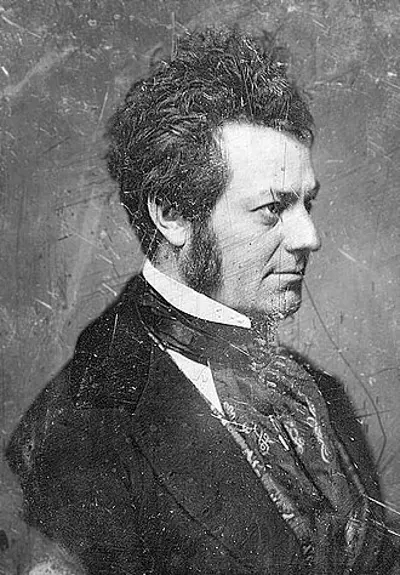
A personal dispute between actors Edwin Forrest and William Macready in New York City devolved into a riot that left at least 22 dead and more than 120 injured.

American Revolutionary War: A small force of Patriots led by Ethan Allen and Benedict Arnold captured Fort Ticonderoga in New York, without significant injury or incident.
American Revolutionary War: Delegates from the Thirteen Colonies met in Philadelphia, Pennsylvania, to convene the Second Continental Congress, which would serve as the de facto national government o�
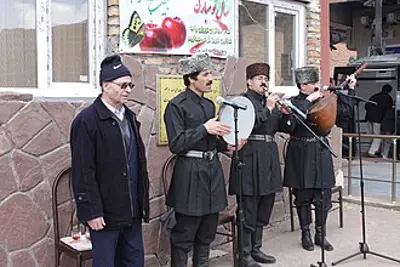
Iranian Azeris interpret a cartoon published in an Iranian magazine as insulting, resulting in massive riots throughout the country.
The Riyadh compound bombings in Saudi Arabia, carried out by al-Qaeda, kill 39 people.
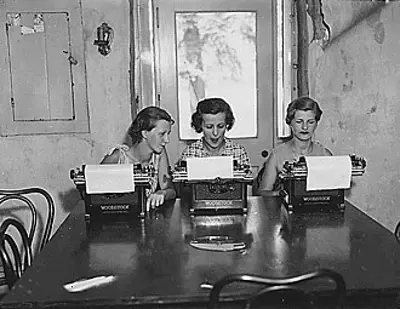
President Roosevelt signs legislation creating the Federal Emergency Relief Administration, the predecessor of the Federal Emergency Management Agency.
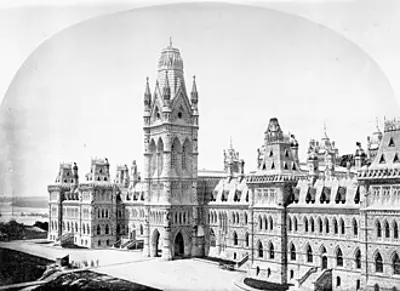
The Manitoba Act is given the Royal Assent, paving the way for Manitoba to become a province of Canada on July 15.
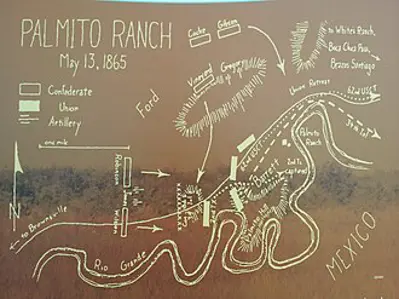
American Civil War: The Battle of Palmito Ranch: The first day of the last major land action to take place during the Civil War, resulting in a Confederate victory.
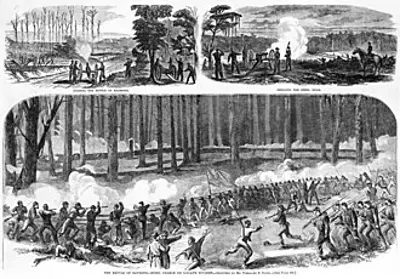
American Civil War: Battle of Raymond: Two divisions of James B. McPherson's XVII Corps turn the left wing of Confederate General John C. Pemberton's defensive line on Fourteen Mile Creek, opening up�

American Civil War: Union Army troops occupy Baton Rouge, Louisiana.
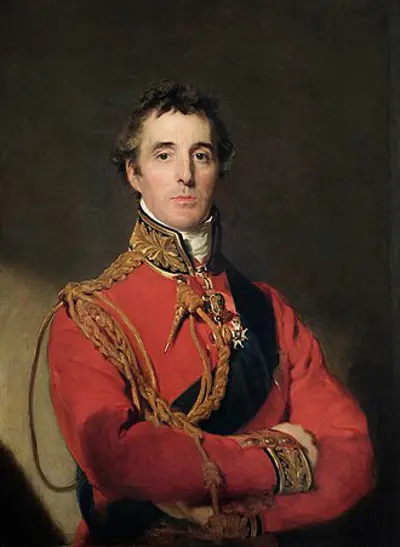
British contingents under Arthur Wellesley force a French army under general Soult to retreat in the battle of Oporto.