1988
The PEPCON disaster rocks Henderson, Nevada, as tons of Space Shuttle fuel detonate during a fire
The PEPCON disaster rocks Henderson, Nevada, as tons of Space Shuttle fuel detonate during a fire.
81 results for “Thomas Henderson (astronomer)” — type: events (93 ms)
The PEPCON disaster rocks Henderson, Nevada, as tons of Space Shuttle fuel detonate during a fire.

In the House of Commons of Northern Ireland, Tommy Henderson begins speaking on the Appropriation bill. By the time he sits down in the early hours of the following morning, he had spoken for ten hour�

Nolan Ryan strikes out Rickey Henderson to become the first Major League Baseball pitcher to record 5,000 strikeouts.
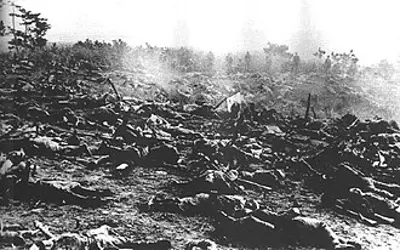
World War II: The Battle for Henderson Field begins on Guadalcanal.

�Airlines Boeing 727-22 and a twin-engine Cessna 310 collided over Hendersonville, North Carolina, USA. Both aircraft were destroyed and all passengers and crew were killed, including John T. McNaughto�
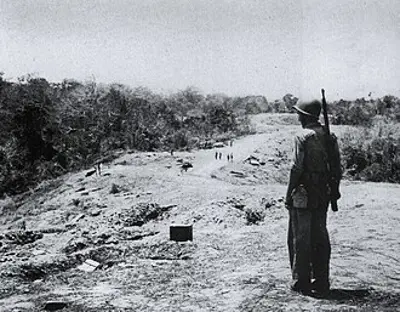
World War II: First day of the Battle of Edson's Ridge during the Guadalcanal Campaign. U.S. Marines protecting Henderson Field are attacked by Imperial Japanese Army troops.

Astronomer Angelo Secchi demonstrates the Secchi disk, which measures water clarity, aboard Pope Pius IX's yacht, the L'Immaculata Concezion.
A sunspot is observed by Han dynasty astronomers during the reign of Emperor Cheng of Han, one of the earliest dated sunspot observations in China.

French astronomer Jean-Louis Pons makes his first comet discovery. In the next 27 years he discovers another 36 comets, more than any other person in history.

Astronomers announce their discovery of the dwarf planet Eris.
American astronomer Asaph Hall discovers Phobos, one of Mars's moons.
French astronomer Pierre Janssen discovers helium.

NASA's Galileo probe performs a flyby of the asteroid 243 Ida. Astronomers later discover a moon, the first known asteroid moon, in pictures from the flyby and name it Dactyl.
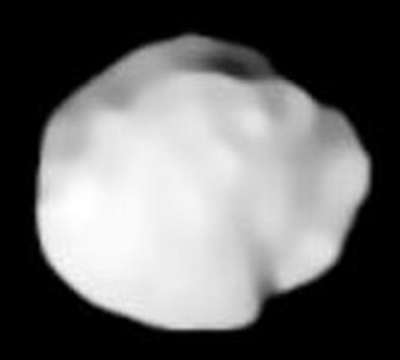
3 Juno, one of the largest asteroids in the Main Belt, is discovered by the German astronomer Karl Ludwig Harding.
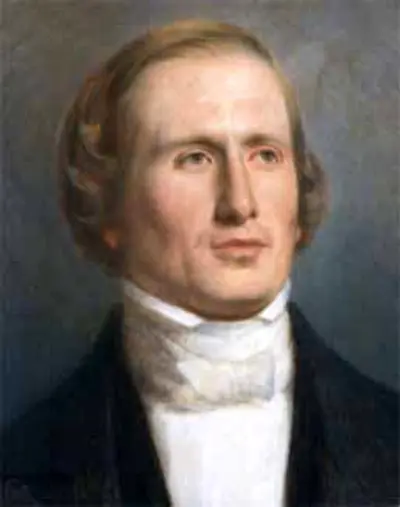
Astronomers Urbain Le Verrier, John Couch Adams and Johann Gottfried Galle collaborate on the discovery of Neptune.
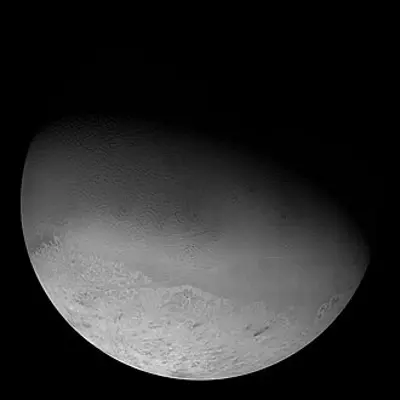
Triton, the largest moon of the planet Neptune, is discovered by English astronomer William Lassell.
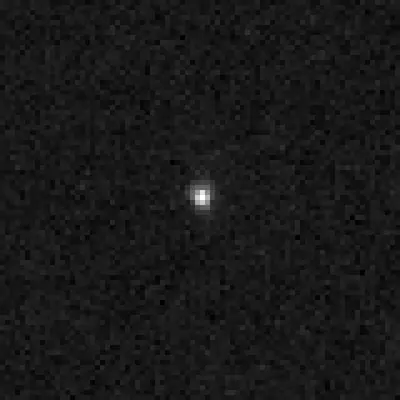
Astronomers discover Sedna, a distant trans-Neptunian dwarf planet.

German astronomer Gottfried Kirch discovers the Great Comet of 1680, the first comet to be discovered by telescope.
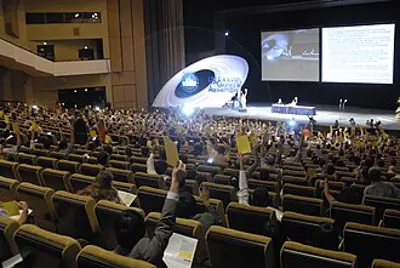
The Danish astronomer Ole Rømer presents the first quantitative measurements of the speed of light.
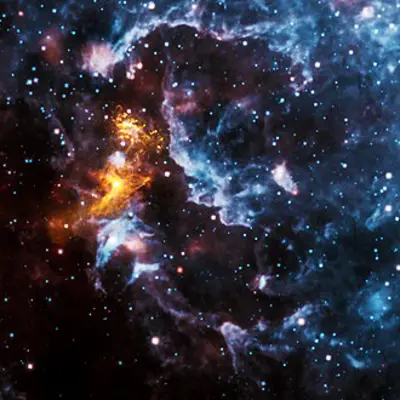
The first pulsar (PSR B1919+21, in the constellation of Vulpecula) is discovered by two astronomers Jocelyn Bell Burnell and Antony Hewish.