Louis IX of France (died 1270)
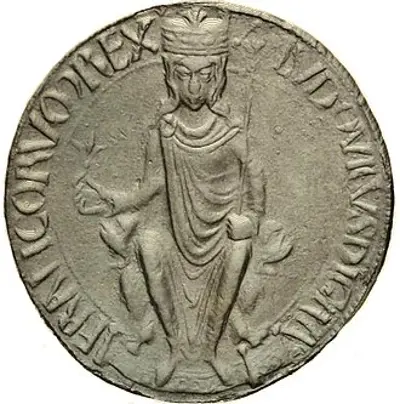
Louis IX, also known as Saint Louis, was King of France from 1226 until his death in 1270. He is widely recognized as the most distinguished of the Direct Capetians. Following the …
Louis IX of France (died 1270)
Explore 26 historical events from 1210β1219.
Louis IX, also known as Saint Louis, was King of France from 1226 until his death in 1270. He is widely recognized as the most distinguished of the Direct Capetians. Following the …
Louis IX of France (died 1270)
Hermann I, Landgrave of Thuringia and Count Palatine of Saxony, called the Hard, was the second son of Louis II, Landgrave of Thuringia, and Judith of Hohenstaufen, the sister of E…
Hermann I, Landgrave of Thuringia
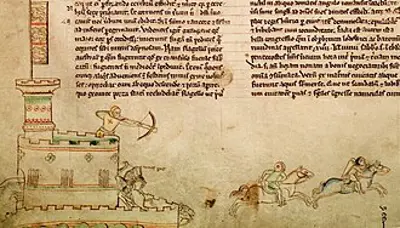
The First Barons' War (1215–1217) was a civil war in the Kingdom of England in which a group of rebellious major landowners led by Robert Fitzwalter waged war against King John. Th…
First Barons' War: English forces under William Marshal defeated French troops at the Battle of Lincoln
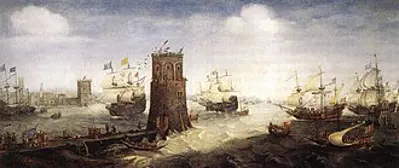
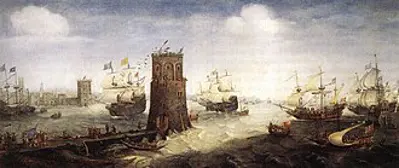
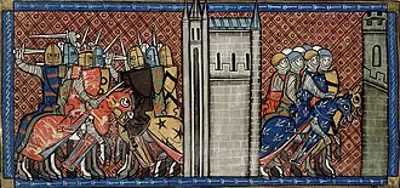
The Fifth Crusade was a campaign in a series of Crusades by Western Europeans to reacquire Jerusalem and the rest of the Holy Land by first conquering Egypt, ruled by the powerful …
The Fifth Crusade leaves Acre for Egypt
Marie of Montpellier was Lady of Montpellier and by her three marriages Viscountess of Marseille, Countess of Comminges and Queen of Aragon.
Maria of Montpellier, Lady of Montpellier, Queen of Aragon (born 1182)
John of Avesnes was the count of Hainaut from 1246 to his death.
John I, Count of Hainaut (died 1257)
The Second Battle of Lincoln occurred at Lincoln Castle on Saturday 20 May 1217, during the First Barons' War, between the forces of the future Louis VIII of France and those of Ki…
The Second Battle of Lincoln is fought near Lincoln, England, resulting in the defeat of Prince Louis of France by Willi
Inge II was King of Norway from 1204 to 1217. His reign was within the later stages of the period known in Norwegian history as the age of civil wars. Inge was the king of the birk…
Inge II of Norway (born 1185)
William Marshal, 1st Earl of Pembroke, also called William the Marshal, was an Anglo-Norman soldier and statesman during High Medieval England who served five English kings—Henry I…
William Marshal, 1st Earl of Pembroke, English soldier and politician (born 1147)

The Mongol Empire was the largest contiguous empire in history. Originating in present-day Mongolia in East Asia, the medieval empire at its height stretched from the Sea of Japan …
A Mongol army under Genghis Khan captures Zhongdu (modern Beijing), the capital of the Jin dynasty
Leo I was the tenth lord of Armenian Cilicia, ruling from 1187 to 1219, and the first king to be crowned, in 1198/9. Leo eagerly led his kingdom alongside the armies of the Third C…
Leo I, King of Armenia (born 1150)
William Marshal, 1st Earl of Pembroke, also called William the Marshal, was an Anglo-Norman soldier and statesman during High Medieval England who served five English kings—Henry I…
William Marshal, 1st Earl of Pembroke, English soldier and politician (born 1147)
David of Scotland was a Scottish prince and Earl of Huntingdon. He was the grandson of David I and the younger brother of two Scottish kings, Malcolm the Maiden and William the Lio…
David of Scotland, 8th Earl of Huntingdon
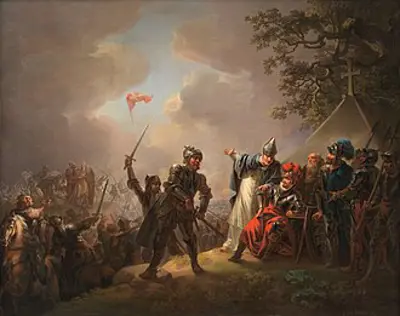
The Northern Crusades, or Baltic Crusades, were military campaigns conducted by several Catholic kingdoms and military orders in an effort to Christianize all the pagans around the…
Northern Crusades: Danish victory at the Battle of Lindanise (modern-day Tallinn) establishes the Danish Duchy of Estoni
The Fifth Crusade was a campaign in a series of Crusades by Western Europeans to reacquire Jerusalem and the rest of the Holy Land by first conquering Egypt, ruled by the powerful …
The Fifth Crusade leaves Acre for Egypt
John of Avesnes was the count of Hainaut from 1246 to his death.
John I, Count of Hainaut (died 1257)
Otto IV was the Holy Roman Emperor from 1209 until his death in 1218.
Otto IV, Holy Roman Emperor
Rudolf of Habsburg (1 May 1218 – 15 July 1291) was a German nobleman and the first member of the House of Habsburg to become King of the Romans, reigning from 1273 until his death.…
Rudolf I of Germany (died 1291)
Inge II was King of Norway from 1204 to 1217. His reign was within the later stages of the period known in Norwegian history as the age of civil wars. Inge was the king of the birk…
Inge II of Norway (born 1185)
Hermann I, Landgrave of Thuringia and Count Palatine of Saxony, called the Hard, was the second son of Louis II, Landgrave of Thuringia, and Judith of Hohenstaufen, the sister of E…
Hermann I, Landgrave of Thuringia
Henry I was the king of Castile from 1214 until 1217. Throughout his short reign, the boy king was a puppet monarch torn between his sister and heir, Queen Berengaria, and guardian…
Henry I, King of Castile and Toledo (born 1204)
The Second Battle of Lincoln occurred at Lincoln Castle on Saturday 20 May 1217, during the First Barons' War, between the forces of the future Louis VIII of France and those of Ki…
The Second Battle of Lincoln is fought near Lincoln, England, resulting in the defeat of Prince Louis of France by Willi
The First Barons' War (1215–1217) was a civil war in the Kingdom of England in which a group of rebellious major landowners led by Robert Fitzwalter waged war against King John. Th…
First Barons' War: English forces under William Marshal defeated French troops at the Battle of Lincoln
Henry of Flanders was Latin emperor of Constantinople from 1206 until his death in 1216. He was one of the leaders of the Fourth Crusade in which the Byzantine Empire was conquered…
Henry of Flanders, emperor of the Latin Empire (born c
The First Barons' War (1215–1217) was a civil war in the Kingdom of England in which a group of rebellious major landowners led by Robert Fitzwalter waged war against King John. Th…
First Barons' War: Prince Louis of France takes the city of Winchester, abandoned by John, King of England, and soon con
John was King of England from 1199 until his death in 1216. He lost the Duchy of Normandy and most of his other French lands to King Philip II of France, resulting in the collapse …
Rebel barons renounce their allegiance to King John of England — part of a chain of events leading to the signing of the
Zhongdu, also called Daxing City, was a capital city of the Jin dynasty (1115–1234) of China, located in modern-day Beijing, in the southwestern part of Xicheng District. It served…
Zhongdu (now Beijing), then under the control of the Jurchen ruler Emperor Xuanzong of Jin, is captured by the Mongols u
John was King of England from 1199 until his death in 1216. He lost the Duchy of Normandy and most of his other French lands to King Philip II of France, resulting in the collapse …
King John of England puts his seal to Magna Carta
The Mongol Empire was the largest contiguous empire in history. Originating in present-day Mongolia in East Asia, the medieval empire at its height stretched from the Sea of Japan …
A Mongol army under Genghis Khan captures Zhongdu (modern Beijing), the capital of the Jin dynasty
The Mongol Empire was the largest contiguous empire in history. Originating in present-day Mongolia in East Asia, the medieval empire at its height stretched from the Sea of Japan …
A Mongol army under Genghis Khan captured Zhongdu (modern Beijing), the capital of the Jin dynasty of China
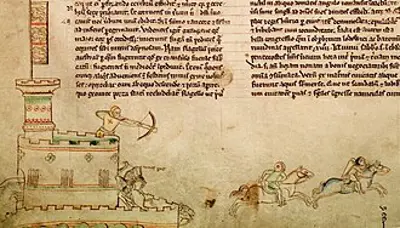
John was King of England from 1199 until his death in 1216. He lost the Duchy of Normandy and most of his other French lands to King Philip II of France, resulting in the collapse …
King John of England and a group of rebel barons agreed on the text of Magna Carta, an influential charter of rights
Louis IX, also known as Saint Louis, was King of France from 1226 until his death in 1270. He is widely recognized as the most distinguished of the Direct Capetians. Following the …
Louis IX of France (died 1270)
Fakhr al-Din Iraqi was a Persian Sufi poet of the 13th century. He is principally known for his mixed prose and poetry work, the Lama'at, as well as his divan, most of which were w…
Fakhr-al-Din Iraqi, Persian poet and philosopher (died 1289)
Marie of Montpellier was Lady of Montpellier and by her three marriages Viscountess of Marseille, Countess of Comminges and Queen of Aragon.
Maria of Montpellier, Lady of Montpellier, Queen of Aragon (born 1182)