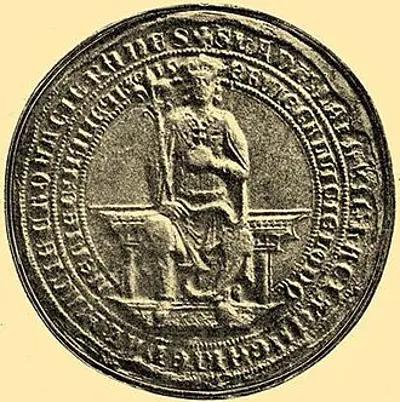
Béla IV of Hungary (born 1206)
Béla IV was King of Hungary and Croatia between 1235 and 1270, and Duke of Styria from 1254 to 1258. As the oldest son of King Andrew II, he was crowned upon the initiative of a gr…
Béla IV of Hungary (born 1206)
Explore 45 historical events from 1270β1279.
Béla IV was King of Hungary and Croatia between 1235 and 1270, and Duke of Styria from 1254 to 1258. As the oldest son of King Andrew II, he was crowned upon the initiative of a gr…
Béla IV of Hungary (born 1206)
William of Villehardouin was the fourth prince of Achaea in Frankish Greece, from 1246 to 1278. The younger son of Prince Geoffrey I, he held the Barony of Kalamata in fief during …
William II of Villehardouin
Michael IX Palaiologos or Palaeologus was Byzantine emperor together with his father, Andronikos II Palaiologos, from 1294 until his death. Andronikos II and Michael IX ruled as eq…
Michael IX Palaiologos, Byzantine emperor (died 1320)
The Second Council of Lyon was the fourteenth ecumenical council of the Roman Catholic Church, convoked on 31 March 1272 and convened in Lyon, Kingdom of Arles, in 1274. Pope Grego…
In France, the Second Council of Lyon opens; it ratified a decree to regulate the election of the Pope
Stefan Uroš I, known as Uroš the Great was the King of Serbia from 1243 to 1276, succeeding his brother Stefan Vladislav. He was one of the most important rulers in Serbian history…
Stefan Uroš I of Serbia (born 1223)
Pope John XXI, born Pedro Julião, was head of the Catholic Church and ruler of the Papal States from 8 September 1276 to his death in May 1277. He is the only Portuguese pope in hi…
Pope John XXI (born 1215)
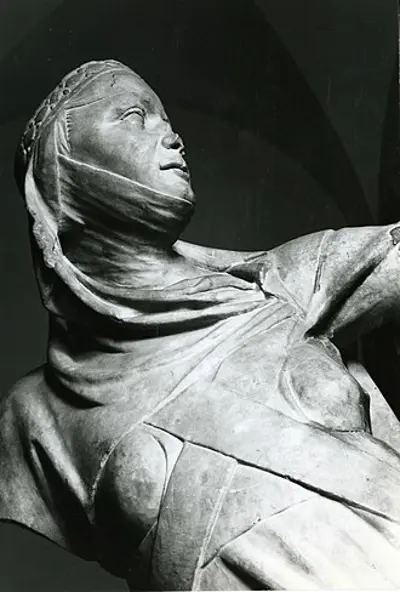
Zita, also known as Sitha or Citha, is an Italian saint, the patroness saint of maids and domestic servants. She is often appealed to in order to help find lost keys.
Zita, Italian saint (born 1212)
Louis of Évreux was a Capetian prince and count of Évreux. He was the only son of King Philip III of France and his second wife Marie of Brabant, and thus a half-brother of King Ph…
Louis, Count of Évreux, son of King Philip III of France (died 1319)
Emperor Duanzong of Song, personal name Zhao Shi, was the 17th emperor of the Song dynasty of China, and the eighth and penultimate emperor of the Southern Song dynasty. He was the…
Duan Zong, Chinese emperor (born 1269)
Magnus Ladulås or Magnus Birgersson was King of Sweden from 1275 until his death in 1290.
Magnus Ladulås is crowned King of Sweden in Uppsala Cathedral
William Wishart was a 13th-century Bishop of St. Andrews. He was postulated to the see of St. Andrews while holding the position as Bishop-elect of Glasgow, which he resigned when,…
William Wishart, Scottish bishop
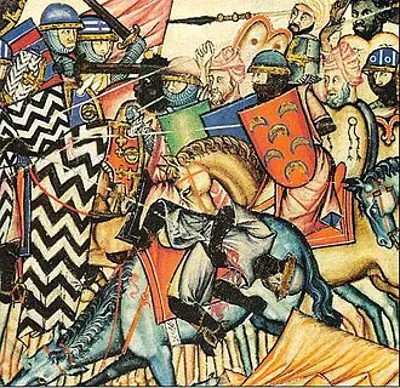
The Battle of Algeciras was a naval battle which occurred on July 25, 1278. The battle pitted the fleets of the Kingdom of Castile, commanded by the Admiral of Castile, Pedro Martí…
The naval Battle of Algeciras takes place in the context of the Spanish Reconquista resulting in a victory for the…
The Reconquista or the fall of al-Andalus was a series of military campaigns by northern Iberian Christian polities against Muslim-ruled al-Andalus, which had previously been part …
Spanish Reconquista: the forces of the Kingdom of Castile initiate the ultimately futile Siege of Algeciras against…
Ladislaus IV of Hungary, also known as Ladislaus the Cuman, was King of Hungary and Croatia from 1272 to 1290. His mother, Elizabeth, was the daughter of a chieftain from the pagan…
Ladislaus IV of Hungary and Rudolf I of Germany defeat Ottokar II of Bohemia in the Battle on the Marchfeld near…
William of Villehardouin was the fourth prince of Achaea in Frankish Greece, from 1246 to 1278. The younger son of Prince Geoffrey I, he held the Barony of Kalamata in fief during …
William II of Villehardouin
Emperor Duanzong of Song, personal name Zhao Shi, was the 17th emperor of the Song dynasty of China, and the eighth and penultimate emperor of the Southern Song dynasty. He was the…
Duan Zong, Chinese emperor (born 1269)
Pierre de la Broce or de la Brosse was a royal favorite and councilor during the early reign of Philip III of France.
Pierre de la Broce, French courtier
Ottokar II, the Iron and Golden King, was a member of the Přemyslid dynasty who reigned as King of Bohemia from 1253 until his death in 1278. He also held the titles of Margrave of…
Ottokar II of Bohemia (born 1233)
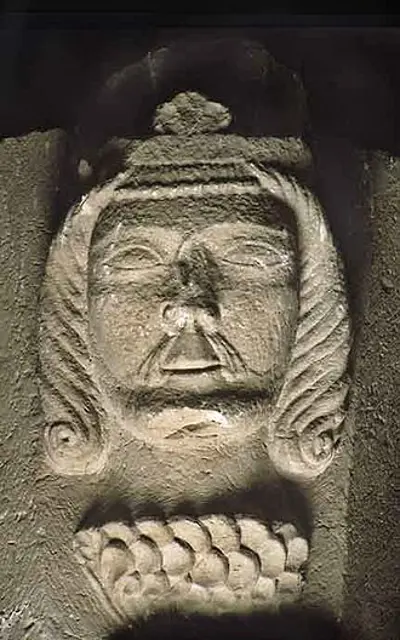
Michael IX Palaiologos or Palaeologus was Byzantine emperor together with his father, Andronikos II Palaiologos, from 1294 until his death. Andronikos II and Michael IX ruled as eq…
Michael IX Palaiologos, Byzantine emperor (died 1320)
Stefan Uroš I, known as Uroš the Great was the King of Serbia from 1243 to 1276, succeeding his brother Stefan Vladislav. He was one of the most important rulers in Serbian history…
Stefan Uroš I of Serbia (born 1223)
Pope John XXI, born Pedro Julião, was head of the Catholic Church and ruler of the Papal States from 8 September 1276 to his death in May 1277. He is the only Portuguese pope in hi…
Pope John XXI (born 1215)
Al-Malik al-Zahir Rukn al-Din Baybars al-Bunduqdari, commonly known as Baibars or Baybars (بَيْبَرْس) and nicknamed Abu al-Futuh, was the fourth Mamluk sultan of Egypt and Syria, r…
Baibars, Egyptian sultan (born 1223)
Muʿīn al-Dīn Sulaymān Parwāna, simply known as Parwāna, was a Persian statesman, who was for a time a key player in Anatolian politics involving the Seljuk Sultanate of Rûm, the Mo…
Mu'in al-Din Sulaiman Pervane, Chancellor and Regent of the Sultanate of Rum
Magnus Ladulås or Magnus Birgersson was King of Sweden from 1275 until his death in 1290.
Magnus Ladulås is crowned King of Sweden in Uppsala Cathedral
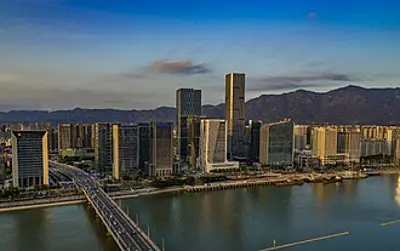
Fuzhou is the capital of Fujian, China, lying between the Min River estuary to the south and the city of Ningde to the north. Together, Fuzhou and Ningde make up the Mindong lingui…
While in exile in Fuzhou, away from the advancing Mongol invaders, the remnants of the Song dynasty court hold the coron
A papal conclave was held from 2–11 July 1276 to elect a new pope to succeed Pope Innocent V who had died suddenly. Following the nine-day conclave, Ottobuono Fieschi, the Cardinal…
Election of pope Adrian V under the influence of Charles I of Anjou following the death of pope Gregory X earlier that…
Louis of Évreux was a Capetian prince and count of Évreux. He was the only son of King Philip III of France and his second wife Marie of Brabant, and thus a half-brother of King Ph…
Louis, Count of Évreux, son of King Philip III of France (died 1319)
Pope Innocent V, born Pierre de Tarentaise, was head of the Catholic Church and ruler of the Papal States from 21 January to 22 June 1276. A member of the Order of Preachers, he ac…
Innocent V, pope of the Catholic Church (born 1225)
James I the Conqueror was King of Aragon, Count of Barcelona, and Lord of Montpellier from 1213 to 1276; King of Majorca from 1231 to 1276; and King of Valencia from 1238 to 1276. …
James I of Aragon (born 1208)
Pope Adrian V, born Ottobuono de' Fieschi, was the head of the Catholic Church and ruler of the Papal States from 11 July 1276 to his death on 18 August 1276. He was an envoy of Po…
Pope Adrian V (born 1220)
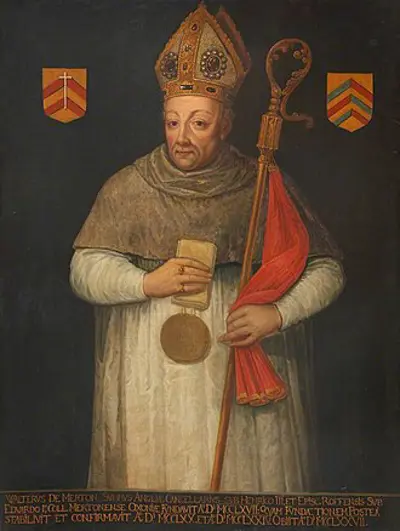
Lorenzo Tiepolo was doge of the Republic of Venice from 1268 until his death.
Lorenzo Tiepolo, Doge of Venice
The Second Council of Lyon was the fourteenth ecumenical council of the Roman Catholic Church, convoked on 31 March 1272 and convened in Lyon, Kingdom of Arles, in 1274. Pope Grego…
In France, the Second Council of Lyon opens; it ratified a decree to regulate the election of the Pope
Edward I, also known as Edward Longshanks and the Hammer of the Scots, was King of England from 1272 to 1307. Concurrently, he was Lord of Ireland, and from 1254 to 1306 ruled Gasc…
Edward I of England returns from the Ninth Crusade and is crowned King seventeen days later.
Bonaventure was an Italian Catholic Franciscan bishop, cardinal, scholastic theologian and philosopher.
Bonaventure, Italian bishop and saint (born 1221)