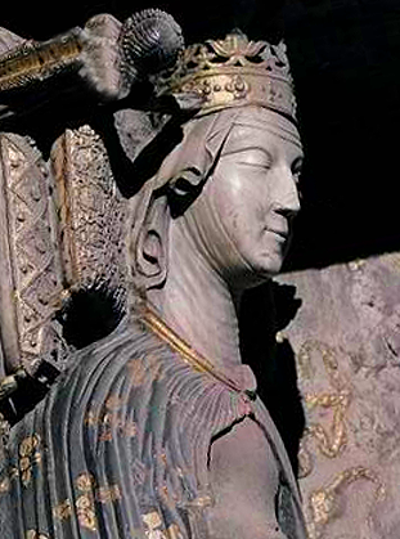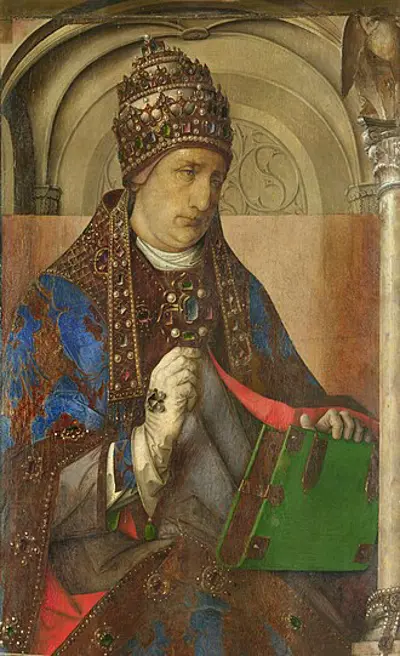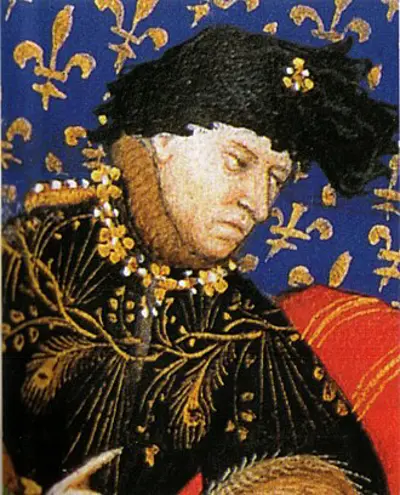
Antipope Alexander V
Peter of Candia, also known as Peter Phillarges, denominated Alexander V, was an antipope elected by the Council of Pisa during the Western Schism (1378–1417). He reigned briefly f…
Antipope Alexander V
Explore 27 historical events from 1410β1419.
Peter of Candia, also known as Peter Phillarges, denominated Alexander V, was an antipope elected by the Council of Pisa during the Western Schism (1378–1417). He reigned briefly f…
Antipope Alexander V
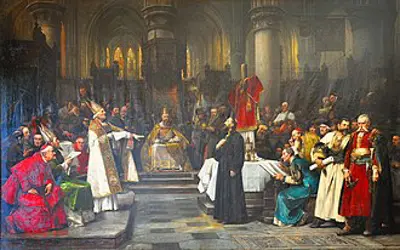
The Council of Constance was an ecumenical council of the Catholic Church that was held from 1414 to 1418 in the Bishopric of Constance (Konstanz) in present-day Germany. This was …
The Council of Constance, called by Emperor Sigismund, a supporter of Antipope John XXIII, burns Jerome of Prague follow
Catherine of Cleves was Duchess of Guelders by marriage to Arnold, Duke of Guelders. She acted as regent of Guelders during the absence of her spouse in 1450. The Hours of Catherin…
Catherine of Cleves, Duchess consort regent of Guelders (died 1479)
Count Reinhard III of Hanau was Count of Hanau from 1451 until his death. He was the son of Count Reinhard II of Hanau and his wife, Catherine of Nassau-Beilstein.
Reinhard III, Count of Hanau (1451–1452) (died 1452)
Jerome of Prague was a Czech scholastic philosopher and theologian. Jerome was one of the chief followers of Jan Hus and was burned for heresy at the Council of Constance.
Jerome of Prague, Czech martyr and theologian (born 1379)
James of Lichtenburg was a nobleman from Lichtenberg in the northern part of Alsace. He served as overlord of Strasbourg and was the last in the male line of the House of Lichtenbe…
Jakobus ("James"), Count of Lichtenburg (died 1480)
Anna of Cilli or Anne of Celje was Queen of Poland and Grand Duchess consort of Lithuania from 1402 to 1416. She was the second wife of Jogaila, King of Poland and Supreme Duke of …
Anna of Celje, queen consort of Poland (born 1386)
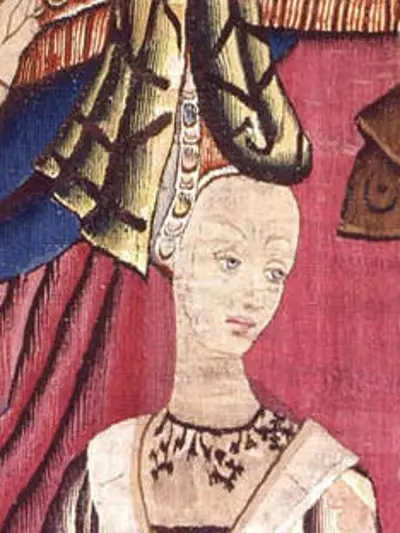
Cecily Neville was an English noblewoman, the wife of Richard, Duke of York (1411–1460), and the mother of two Kings of England—Edward IV and Richard III. She was born at Raby Cast…
Cecily Neville, Duchess of York (died 1495)
Catherine of Lancaster was Queen of Castile by marriage to King Henry III of Castile. She governed Castile as regent from 1406 until 1418 during the minority of her son.
Katherine of Lancaster, queen of Henry III of Castile
John II or III of Cyprus was the King of Cyprus and Armenia and also titular King of Jerusalem from 1432 to 1458. He was previously a titular Prince of Antioch.
John II of Cyprus, King of Cyprus and Armenia and also titular King of Jerusalem from 1432 to 1458 (probable; (died 1458
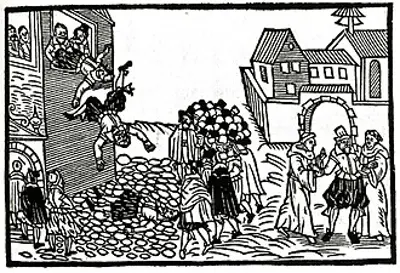
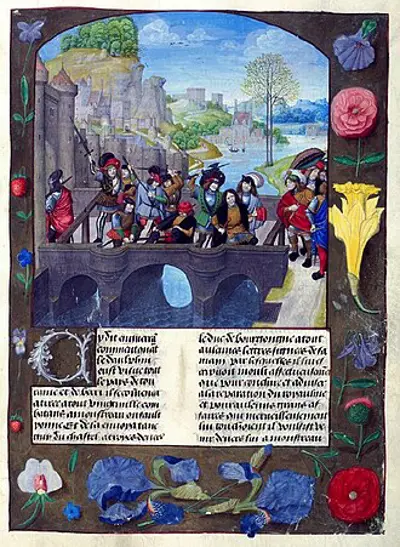
The Armagnac–Burgundian Civil War was a conflict between two cadet branches of the French royal family: the House of Orléans and the House of Burgundy from 1407 to 1435. It began d…
Armagnac–Burgundian Civil War: Parisians slaughter sympathizers of Bernard VII, Count of Armagnac, along with all prison
John II or III of Cyprus was the King of Cyprus and Armenia and also titular King of Jerusalem from 1432 to 1458. He was previously a titular Prince of Antioch.
John II of Cyprus, King of Cyprus and Armenia and also titular King of Jerusalem from 1432 to 1458 (probable; (died 1458
Catherine of Lancaster was Queen of Castile by marriage to King Henry III of Castile. She governed Castile as regent from 1406 until 1418 during the minority of her son.
Katherine of Lancaster, queen of Henry III of Castile
Bernard VII, Count of Armagnac was Count of Armagnac and Constable of France. He was the son of John II, Count of Armagnac, and Jeanne de Périgord. He succeeded to Armagnac at the…
Bernard VII, Count of Armagnac (born 1360)
Catherine of Cleves was Duchess of Guelders by marriage to Arnold, Duke of Guelders. She acted as regent of Guelders during the absence of her spouse in 1450. The Hours of Catherin…
Catherine of Cleves, Duchess consort regent of Guelders (died 1479)
Sigismondo Pandolfo Malatesta was an Italian condottiero and nobleman, a member of the House of Malatesta and lord of Rimini and Fano from 1432. He was widely considered by his con…
Sigismondo Pandolfo Malatesta, lord of Rimini (died 1468)
The Battle of Gallipoli occurred on 29 May 1416 between the fleets of the Republic of Venice and the Ottoman Empire off the port city of Gallipoli, the main Ottoman naval base. The…
Battle of Gallipoli: The Venetians under Pietro Loredan defeat a much larger Ottoman fleet off Gallipoli
The Council of Constance was an ecumenical council of the Catholic Church that was held from 1414 to 1418 in the Bishopric of Constance (Konstanz) in present-day Germany. This was …
The Council of Constance, called by Emperor Sigismund, a supporter of Antipope John XXIII, burns Jerome of Prague follow
James of Lichtenburg was a nobleman from Lichtenberg in the northern part of Alsace. He served as overlord of Strasbourg and was the last in the male line of the House of Lichtenbe…
Jakobus ("James"), Count of Lichtenburg (died 1480)
Anna of Cilli or Anne of Celje was Queen of Poland and Grand Duchess consort of Lithuania from 1402 to 1416. She was the second wife of Jogaila, King of Poland and Supreme Duke of …
Anna of Celje, queen consort of Poland (born 1386)
Jerome of Prague was a Czech scholastic philosopher and theologian. Jerome was one of the chief followers of Jan Hus and was burned for heresy at the Council of Constance.
Jerome of Prague, Czech martyr and theologian (born 1379)
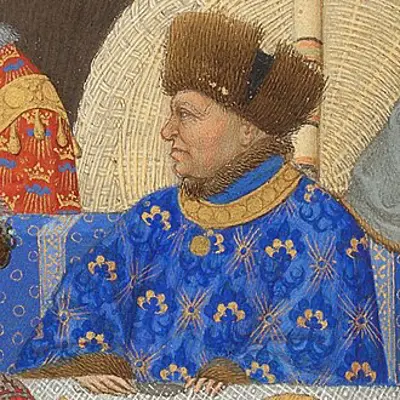
John of Berry or John the Magnificent was Duke of Berry and Auvergne and Count of Poitiers and Montpensier. His brothers were King Charles V of France, Duke Louis I of Anjou and Du…
John, Duke of Berry (born 1340)
The Venetian navy was the navy of the Venetian Republic which played an important role in the history of the republic and the Mediterranean world. It was the premier navy in the Me…
A squadron of the Venetian navy captured many Ottoman ships at the Battle of Gallipoli, confirming Venetian naval superi
John Wycliffe was an English scholastic philosopher, Christian reformer, Catholic priest, and a theology professor at the University of Oxford. Wycliffe is traditionally believed t…
Religious reformer John Wycliffe is condemned as a heretic at the Council of Constance
Cecily Neville was an English noblewoman, the wife of Richard, Duke of York (1411–1460), and the mother of two Kings of England—Edward IV and Richard III. She was born at Raby Cast…
Cecily Neville, Duchess of York (died 1495)
Treaty of Lubowla of 1412 was a treaty between Władysław II, King of Poland, and Sigismund of Luxemburg, King of Hungary. Negotiations took place in the town of Lublo and a treaty …
The Treaty of Lubowla between the kingdoms of Hungary and Poland is confirmed with one of the largest and magnificent ro
Count Reinhard III of Hanau was Count of Hanau from 1451 until his death. He was the son of Count Reinhard II of Hanau and his wife, Catherine of Nassau-Beilstein.
Reinhard III, Count of Hanau (1451–1452) (died 1452)
Ludovico III Gonzaga of Mantua, known as the Turk, also spelled Lodovico was the ruler of the Italian city of Mantua from 1444 to his death in 1478.
Ludovico III Gonzaga, Marquis of Mantua, Italian ruler (died 1478)
Gian Maria Visconti was the second Visconti Duke of Milan, the son of Gian Galeazzo Visconti and Caterina Visconti. He was known to be cruel and was eventually assassinated. He had…
Gian Maria Visconti, Duke of Milan (born 1388)
Charles VI, nicknamed the Beloved and in the 19th century, the Mad, was King of France from 1380 until his death in 1422. He is known for his mental illness and psychotic episodes …
King Charles VI grants a monopoly for the ripening of Roquefort cheese to the people of Roquefort-sur-Soulzon, as they h
Leopold IV of Austria, Duke of Further Austria, was an Austrian Habsburg Duke of the Leopoldinian Line, known as "the Fat".
Leopold IV, Duke of Austria (born 1371)
Charles VI, nicknamed the Beloved and in the 19th century, the Mad, was King of France from 1380 until his death in 1422. He is known for his mental illness and psychotic episodes …
King Charles VI of France granted a monopoly to the people of Roquefort-sur-Soulzon for the ripening of Roquefort cheese
The Yongle Emperor's campaigns against the Mongols consisted of five large-scale military expeditions undertaken by the Ming dynasty into Mongolia between 1410 and 1424, each led p…
In a decisive battle at Onon River, the Mongol forces of Oljei Temur were decimated by the Chinese armies of the Yongle
The Ottoman Interregnum, or Ottoman Civil War, was a civil war in the Ottoman realm between the sons of the Ottoman sultan Bayezid I following their father's defeat and capture by …
Ottoman Interregnum: Süleyman Çelebi defeats his brother Musa Çelebi outside the Byzantine capital, Constantinople