1587
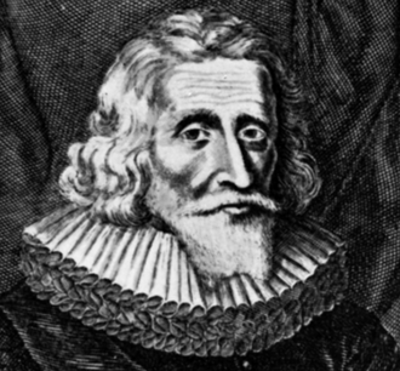
Joachim Jungius, German mathematician and philosopher (died 1657)
Joachim Jungius was a German mathematician, logician and philosopher of science.
Joachim Jungius, German mathematician and philosopher (died 1657)
Explore 175 historical events from 1580–1589.
Joachim Jungius was a German mathematician, logician and philosopher of science.
Joachim Jungius, German mathematician and philosopher (died 1657)
Anne Seymour, Duchess of Somerset was the second wife of Edward Seymour, 1st Duke of Somerset, who held the office of Lord Protector during the first part of the reign of their nep…
Anne Seymour, Duchess of Somerset (born 1497)
John Foxe was an English clergyman, theologian, and historian, notable for his martyrology Foxe's Book of Martyrs, telling of Christian martyrs throughout Western history, but part…
John Foxe, English historian and author (born 1516)
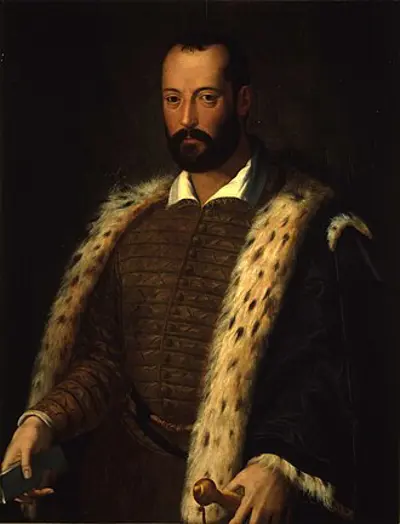
Francesco I was the second Grand Duke of Tuscany, ruling from 1574 until his death in 1587. He was a member of the House of Medici.
Francesco I de' Medici, Grand Duke of Tuscany (born 1541)
Francesco I was the second Grand Duke of Tuscany, ruling from 1574 until his death in 1587. He was a member of the House of Medici.
Francesco I de' Medici, Grand Duke of Tuscany (born 1541)
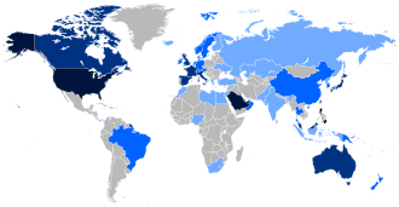
Filipinos are citizens or people identified and related with the country or sovereign state of the Philippines. Filipinos come from various Austronesian peoples, all typically spea…
Filipino sailors disembarked from the Manila galleon Nuestra Señora de Buena Esperanza in what is now Morro Bay,…

Roanoke Island is an island in Dare County, bordered by the Outer Banks of North Carolina. It was named after the historical Roanoke, a Carolina Algonquian people who inhabited the…
English colonists leave Roanoke Island, after failing to establish England's first permanent settlement in North America
The Babington Plot was a plan in 1586 to assassinate Queen Elizabeth I, a Protestant, and put Mary, Queen of Scots, her Catholic cousin, on the English throne. It led to Mary's exe…
A number of conspirators in the Babington Plot are hanged, drawn and quartered.
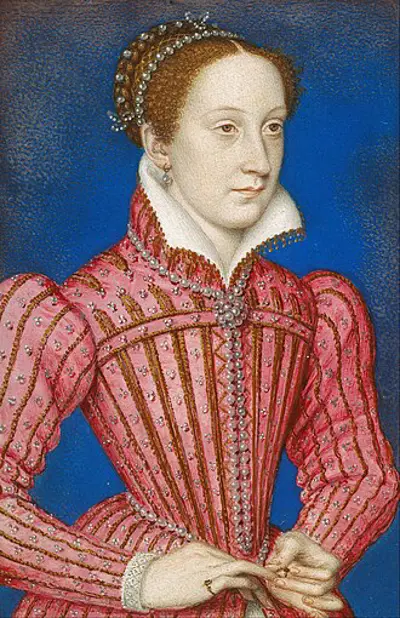
Mary, Queen of Scots, also known as Mary Stuart or Mary I of Scotland, was Queen of Scotland from 14 December 1542 until her forced abdication on 24 July 1567.
Mary, Queen of Scots, goes on trial for conspiracy against Queen Elizabeth I of England.
John Ford was an English playwright and poet of the Jacobean and Caroline eras born in Ilsington in Devon, England. His plays deal mainly with the conflict between passion and cons…
John Ford, English poet and playwright (died 1639)
Rose of Lima, TOSD, was a member of the Third Order of Saint Dominic in Lima, Peru, Spanish Empire, who became known for both her life of severe penance and her care of the poverty…
Rose of Lima, Peruvian mystic and saint (died 1617)
Paul Siefert was a German composer and organist associated with the North German school.
Paul Siefert, German composer and organist (died 1666)
Claudio Saracini was an Italian composer, lutenist, and singer of the early Baroque era. He was one of the most famous and distinguished composers of monody.
Claudio Saracini, Italian lute player and composer (died 1630)
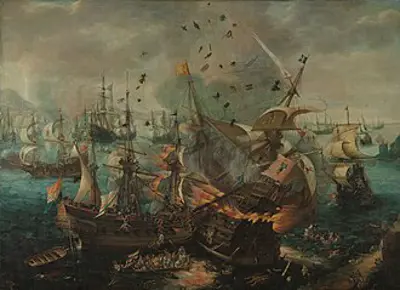
The Eighty Years' War or Dutch Revolt was an armed conflict in the Habsburg Netherlands between disparate groups of rebels and the Spanish government. The causes of the war include…
Eighty Years' War: A Spanish force led by the Marquis del Vasto successfully fights its way past a joint English/Dutch…
Thomas Hooker was a prominent English colonial leader and Congregational minister, who founded the Connecticut Colony after dissenting with Puritan leaders in Massachusetts. He was…
Thomas Hooker, English-born founder of the Colony of Connecticut (died 1647)
Johannes Valentinus Andreae, also known as Johannes Valentinus Andreä or Johann Valentin Andreae, was a German theologian and writer.
Johann Valentin Andrea, German theologian (died 1654)
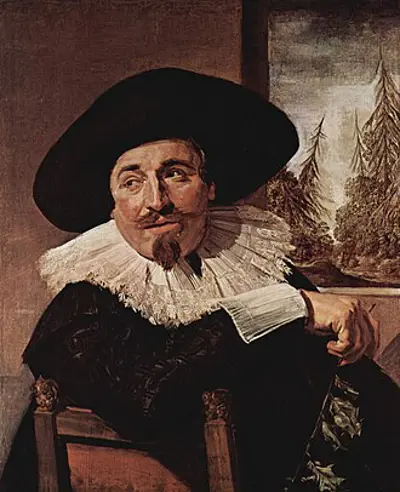
Isaac Abrahamszoon Massa was a Dutch grain trader, traveller and envoy to Russia. He wrote memoirs related to the Time of Troubles and created some of the earliest maps of Eastern …
Isaac Massa, Dutch diplomat (died 1643)
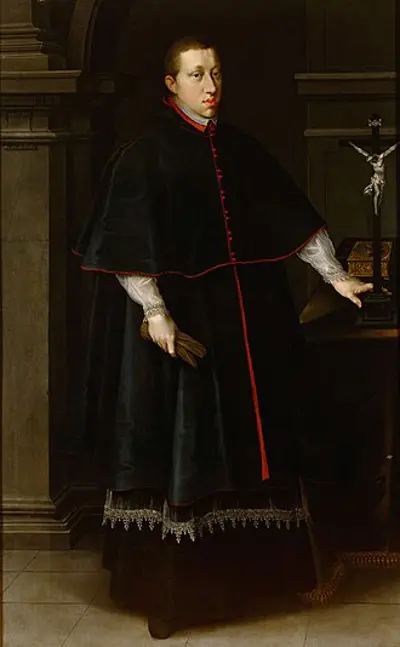
Leopold V, Archduke of Further Austria was the son of Archduke Charles II of Inner Austria, and the younger brother of Emperor Ferdinand II, father of Ferdinand Charles, Archduke o…
Leopold V, Archduke of Austria (died 1632)
Sir Henry Sidney was an English soldier, politician and Lord Deputy of Ireland. Instrumental in the Tudor conquest of Ireland, his attempts to consolidate English power in Ireland …
Henry Sidney, Irish politician, Lord Deputy of Ireland (born 1529)

Primož Trubar or Primus Truber was a Slovene Protestant Reformer of the Lutheran tradition, mostly known as the author of the first Slovene language printed book, the founder and t…
Primož Trubar, Slovenian author and reformer (born 1508)
Anthony Babington was an English gentleman convicted of plotting the assassination of Elizabeth I of England and conspiring with the imprisoned Mary, Queen of Scots, for which he…
Sir Anthony Babington, English Catholic conspirator (born 1561)
Chidiock Tichborne, erroneously referred to as Charles, was an English conspirator and poet.
Chidiock Tichborne, English conspirator and poet (born 1558)
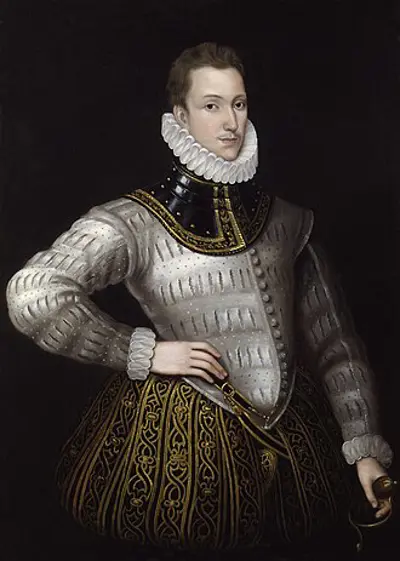
Sir Philip Sidney was an English poet, courtier, scholar and soldier who is remembered as one of the most prominent figures of the Elizabethan age.
Philip Sidney, English courtier, poet, and general (born 1554)
Antoine Perrenot de Granvelle, Comte de La Baume Saint Amour, typically known as Cardinal Granvelle in English, was a Burgundian statesman, made a cardinal, who followed his father…
Antoine Perrenot de Granvelle, French cardinal and diplomat (born 1517)