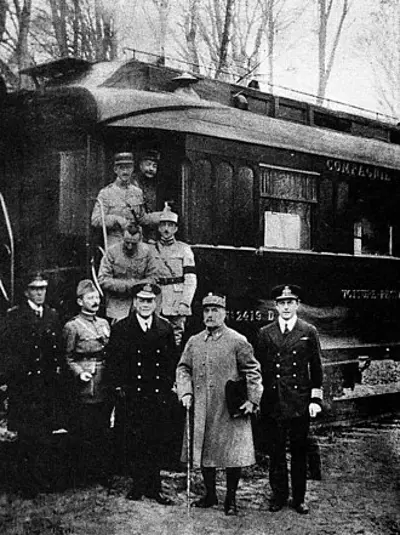
The Armistice of 11 November 1918 was the armistice that ended fighting on land, at sea, and in the air in World War I between the Entente and their last remaining opponent, Germany. It was signed in a railroad car in the Compiègne Forest, near the town of Compiègne. Previous armistices had been agreed with Bulgaria, the Ottoman Empire and Austria-Hungary. It was concluded after the German government sent a message to American president Woodrow Wilson to negotiate terms on the basis of a recent speech of his and the earlier declared "Fourteen Points", which later became the basis of the German surrender at the Paris Peace Conference, which took place the following year.
The armistice between the German Empire and the Allies was signed in a railway carriage in the Forest of Compiègne of France (signatories pictured).
On November 11, in the year 1918, The armistice between the German Empire and the Allies was signed in a railway carriage in the Forest of Compiègne of France (signatories pictured). This event is recorded as a Selected Events event in the history of November 11, one of 454 recorded events on this date across all of history.
Key Facts
- This event took place on November 11, 1918 (AD era).
- It is categorised as a Selected Events event in recorded history.
- Referenced in 4 Wikipedia articles.
- The event is associated with a specific geographical location (see map below).
- Wikipedia source last updated on 18 October 2026.
On This Date in History 454
This article draws on content from Wikipedia, available under CC BY-SA 4.0.
More on November 11
2008
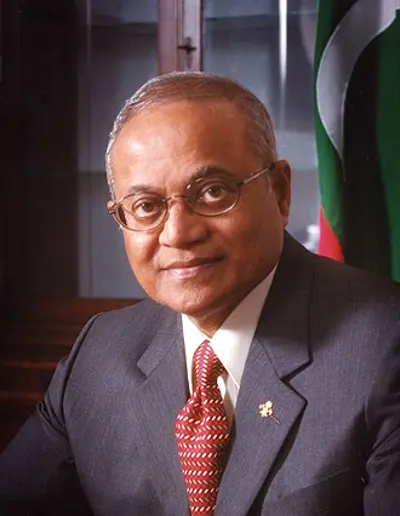
After 30 years in power, Maumoon Abdul Gayoom was succeeded by Mohamed Nasheed as president of the Maldives.
Maumoon Abdul Gayoom is a Maldivian politician, statesman and diplomat who served as the 3rd president of the Maldives from 1978 to 2008. He previously served as the Minister of T…
After 30 years in power, Maumoon Abdul Gayoom was succeeded by Mohamed Nasheed as president of the Maldives.
1999
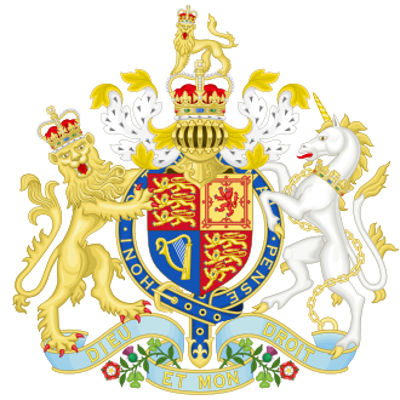
The House of Lords Act was given royal assent, removing most hereditary peers from the British House of Lords.
The House of Lords Act 1999 is an act of the Parliament of the United Kingdom which reformed the House of Lords, one of the chambers of Parliament. The act was given royal assent …
The House of Lords Act was given royal assent, removing most hereditary peers from the British House of Lords.
1975
During a constitutional crisis, Governor-General Sir John Kerr (pictured) dismissed Prime Minister Gough Whitlam's…
The 1975 Australian constitutional crisis, also called the Dismissal, culminated with the dismissal of the prime minister, Gough Whitlam of the Australian Labor Party (ALP), by Si…
During a constitutional crisis, Governor-General Sir John Kerr (pictured) dismissed Prime Minister Gough Whitlam's…
1965
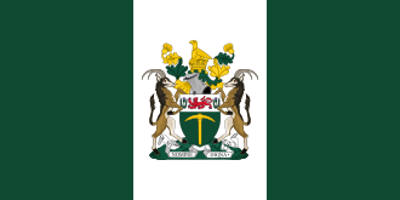
Rhodesia, led by Prime Minister Ian Smith (pictured), unilaterally declared independence from the United Kingdom.
Rhodesia, officially the Republic of Rhodesia from 1970 onwards, was an unrecognised state in Southern Africa that existed from 1965 to 1979. Rhodesia was the de facto successor t…
Rhodesia, led by Prime Minister Ian Smith (pictured), unilaterally declared independence from the United Kingdom.
1960
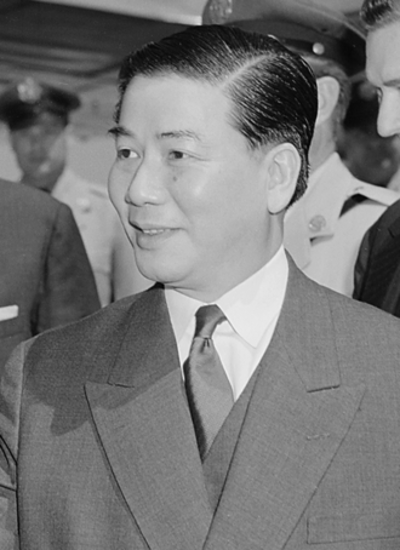
A coup attempt by the Army of the Republic of Vietnam against President Ngô Đình Diệm was crushed after he falsely…
On 11 November 1960, a failed coup attempt against President Ngô Đình Diệm of South Vietnam was led by Lieutenant Colonel Vương Văn Đông and Colonel Nguyễn Chánh Thi of the Airbor…
A coup attempt by the Army of the Republic of Vietnam against President Ngô Đình Diệm was crushed after he falsely…
1940
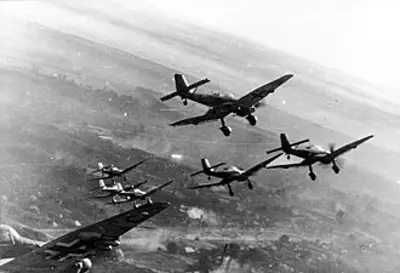
Second World War: The Royal Navy launched the first all-aircraft ship-to-ship naval attack in history against the…
World War II, or the Second World War, was a global conflict between two coalitions: the Allies and the Axis powers. Nearly all of the world's countries participated, with many en…
Second World War: The Royal Navy launched the first all-aircraft ship-to-ship naval attack in history against the…
Comments 0
Sign in to join the discussion.