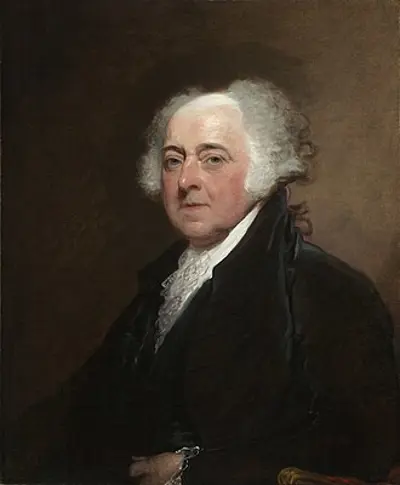
John Adams becomes the first President of the United States to live in the Executive Mansion (later renamed the White…
John Adams becomes the first President of the United States to live in the Executive Mansion (later renamed the White House).
5618 results for “William R. Moses” — type: events (816 ms)
John Adams becomes the first President of the United States to live in the Executive Mansion (later renamed the White House).
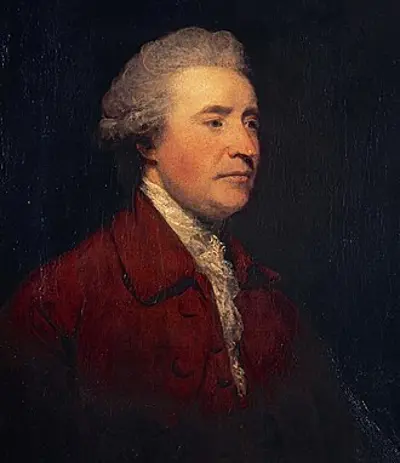
Edmund Burke publishes Reflections on the Revolution in France, in which he predicts that the French Revolution will end in a disaster.
During the Time of Troubles, Polish troops are expelled from Moscow's Kitay-gorod by Russian troops under the command of Dmitry Pozharsky (22 October O.S.).
French Huguenots establish the France Antarctique colony in present-day Rio de Janeiro, Brazil.
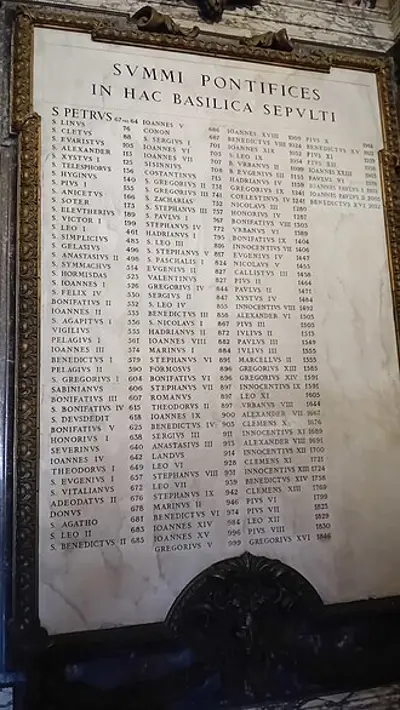
Cardinal Giuliano della Rovere is elected Pope and takes the name Julius II.
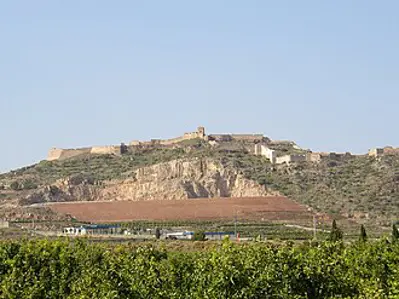
The anti-royalist Union of Valencia attacks the Jews of Murviedro on the pretext that they are serfs of the King of Valencia and thus "royalists".
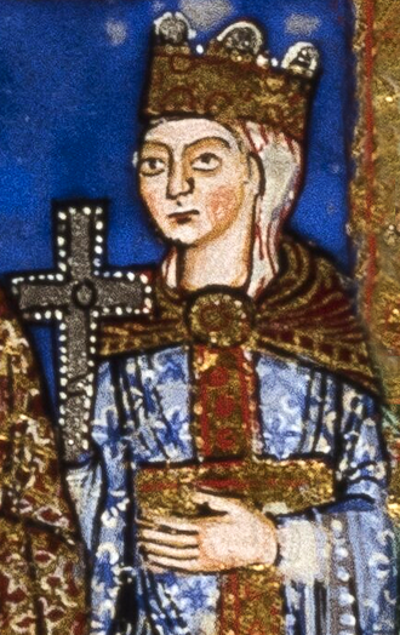
Empress Matilda's reign as "Lady of the English" ends as Stephen of Blois regains the title of "King of England".
Roman Emperor Valentinian I learns the Alemanni have crossed the Rhine and invaded Gaul.
British Satellite Broadcasting and Sky Television plc merge to form BSkyB as a result of massive losses.
Lebanon hostage crisis: U.S. hostage David Jacobsen is released in Beirut after 17 months in captivity.
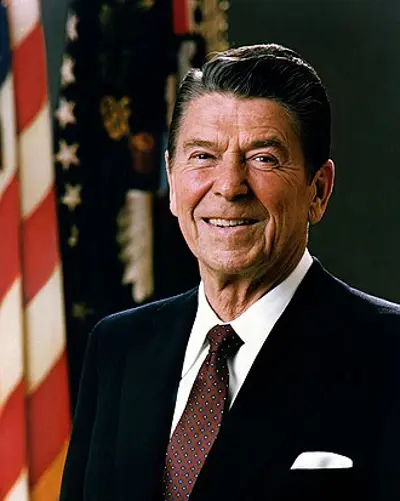
U.S. President Ronald Reagan signs a bill creating Martin Luther King Jr. Day.
The Cuban Adjustment Act comes into force, allowing 123,000 Cubans the opportunity to apply for permanent residence in the United States.
Norman Morrison, a 31-year-old Quaker, sets himself on fire in front of the river entrance to the Pentagon to protest the use of napalm in the Vietnam war.
King Saud of Saudi Arabia is deposed by a family coup, and replaced by his half-brother Faisal.
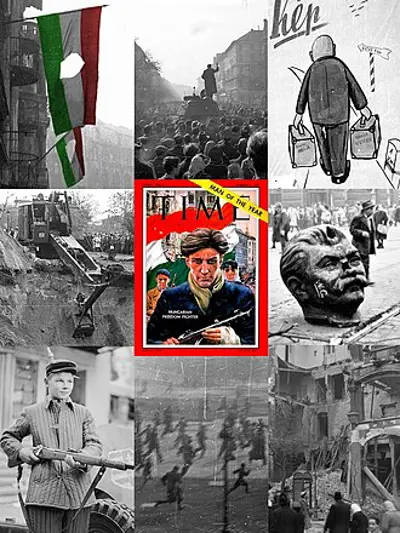
Hungarian Revolution: Nikita Khrushchev meets with leaders of other Communist countries to seek their advice on the situation in Hungary, selecting János Kádár as the country's next leader on the adv�
�ar: A platoon of The Royal Canadian Regiment defends a vital area against a full battalion of Chinese troops in the Battle of the Song-gok Spur. The engagement lasts into the early hours the next day.
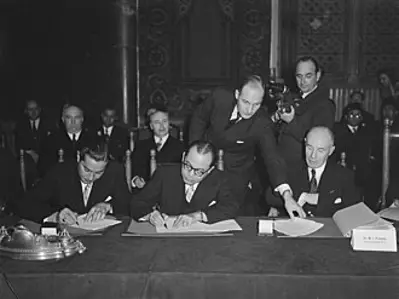
The Dutch–Indonesian Round Table Conference ends with the Netherlands agreeing to transfer sovereignty of the Dutch East Indies to the United States of Indonesia.
The BBC Television Service, the world's first regular, "high-definition" (then defined as at least 200 lines) service begins. Renamed BBC1 in 1964, the channel still runs to this day.
In the United States, KDKA of Pittsburgh starts broadcasting as the first commercial radio station. The first broadcast is the result of the 1920 United States presidential election.
World War I: The Russian Empire declares war on the Ottoman Empire and the Dardanelles is subsequently closed.