1837
St
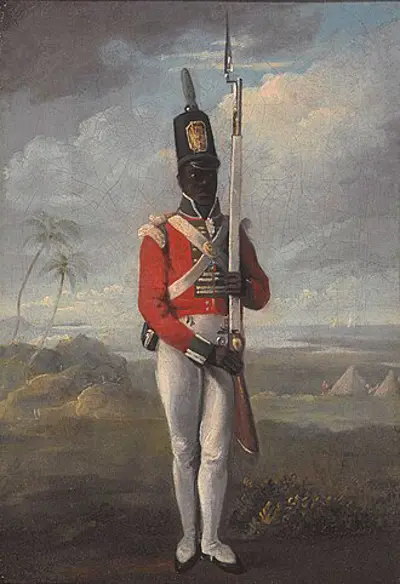
The St. Joseph Mutiny was a mutiny which occurred in June 1837 among the 1st West India Regiment of the British Army. It began at the unit's barracks in St. Joseph, Trinidad, then …
St
Explore 603 historical events from 1830–1839.
The St. Joseph Mutiny was a mutiny which occurred in June 1837 among the 1st West India Regiment of the British Army. It began at the unit's barracks in St. Joseph, Trinidad, then …
St
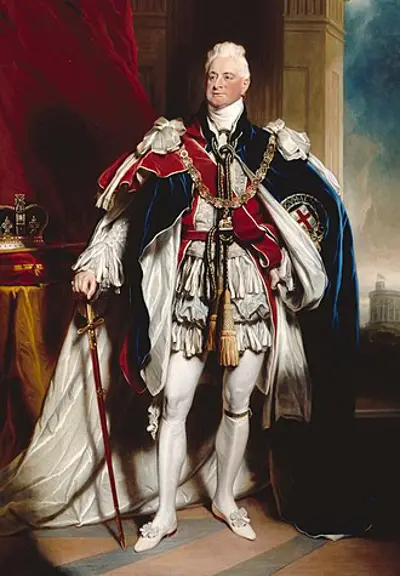
William IV was King of the United Kingdom of Great Britain and Ireland and King of Hanover from 26 June 1830 until his death in 1837. The third son of George III, William succeeded…
King William IV dies, and is succeeded by his niece, Victoria
John Pierpont Morgan Sr. was an American financier and investment banker who dominated corporate finance on Wall Street throughout the Gilded Age and Progressive Era. As the head o…
J
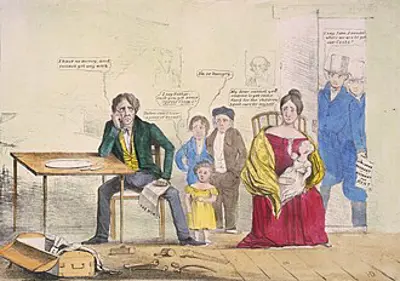
The Panic of 1837 was a financial crisis in the United States that began a major depression which lasted until the mid-1840s. Profits, prices, and wages dropped, westward expansion…
Panic of 1837: New York City banks suspend the payment of specie, triggering a national banking crisis and an economic d
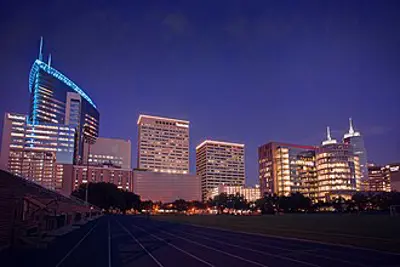
Houston is the most populous city in the U.S. state of Texas and the Southern United States. It is the fourth-most populous city in the United States, with a population of 2.3 mill…
Houston is incorporated by the Republic of Texas
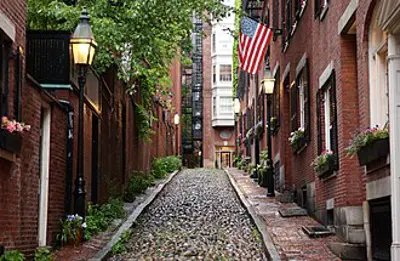
The Broad Street Riot was a massive brawl that occurred in Boston, Massachusetts, on June 11, 1837, between Irish Americans and Yankee firefighters. An estimated 800 people were in…
The Broad Street Riot occurs in Boston, fueled by ethnic tensions between Yankees and Irish
Civil registration is the system by which a government records the vital events of its citizens and residents. The resulting repository or database has different names in different…
A system of civil registration of births, marriages and deaths is established in England and Wales.
The Grand Junction Railway (GJR) was an early railway company in the United Kingdom, which existed between 1833 and 1846. The line built by the company, which opened in 1837, linke…
Grand Junction Railway, the world's first long-distance railway, opens between Birmingham and Liverpool.
Fredrik Bajer was a Danish writer, teacher, and pacifist politician who received the Nobel Peace Prize in 1908 together with Klas Pontus Arnoldson.
Fredrik Bajer, Danish lieutenant and politician, Nobel Prize laureate (died 1922)
Karl Gottlieb Mauch was a German explorer and geographer of Africa. He reported on the archaeological ruins of Great Zimbabwe in 1871 during his search for the biblical land of Oph…
Karl Mauch, German geographer and explorer (died 1875)
Adam Opel was a German entrepreneur who founded the company Adam Opel AG, then a manufacturer of bicycles and sewing machines.
Adam Opel, German engineer, founded the Opel Company (died 1895)
Count Itagaki Taisuke was a Japanese samurai, politician, and leader of the Freedom and People's Rights Movement, which evolved into Japan's first political party, the Liberal Part…
Itagaki Taisuke, Japanese soldier and politician (died 1919)
Jules Theodore Anatole Mallet was a Swiss mechanical engineer, who was the inventor of the first successful compound system for a railway steam locomotive, patented in 1874. He is …
Anatole Mallet, Swiss mechanical engineer and inventor (died 1919)
Electrical telegraphy is point-to-point distance communicating via sending electric signals over wire, a system primarily used from the 1840s until the late 20th century. It was th…
The first commercial use of an electrical telegraph is successfully demonstrated in London by William Cooke and…
The West India Regiments (WIR) were a group of line infantry regiments of the British Army raised and normally stationed in the British West Indies between 1795 and 1927. In 1888 t…
Three African soldiers in the 1st West India Regiment – Daaga, Edward Coffin and Maurice Ogston – were executed for…
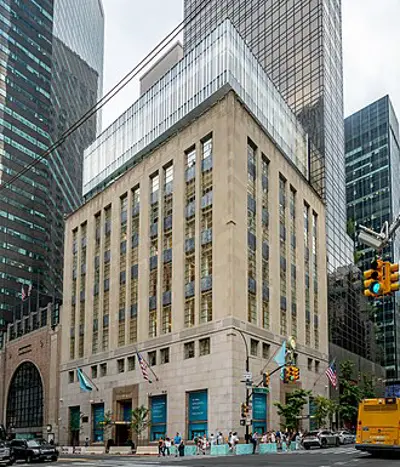
Tiffany & Co. is an American luxury jewelry and specialty design house owned by the French conglomerate LVMH Moët Hennessy Louis Vuitton, and headquartered on Fifth Avenue in Manha…
Tiffany & Co. (first named Tiffany & Young) is founded by Charles Lewis Tiffany and Teddy Young in New York City. The…
Georges Ernest Jean-Marie Boulanger, nicknamed Général Revanche, was a French Army officer and politician. An enormously popular public figure during the second decade of the Third…
Georges Ernest Boulanger, French general and politician, French Minister of War (died 1891)
Józef Wieniawski was a Polish pianist, composer, conductor and teacher. He was born in Lublin, the younger brother of the famous violinist Henryk Wieniawski. After Franz Liszt, he …
Józef Wieniawski, Polish pianist and composer (died 1912)
James Butler Hickok, better known as "Wild Bill" Hickok, was a folk hero of the American Old West known for his life on the frontier as a soldier, scout, lawman, cattle rustler, gu…
Wild Bill Hickok, American police officer (died 1876)
George Coppinger Ashlin was an Irish architect, particularly noted for his work on churches and cathedrals, and who became President of the Royal Institute of the Architects of Ire…
George Ashlin, Irish architect, co-designed St Colman's Cathedral (died 1921)
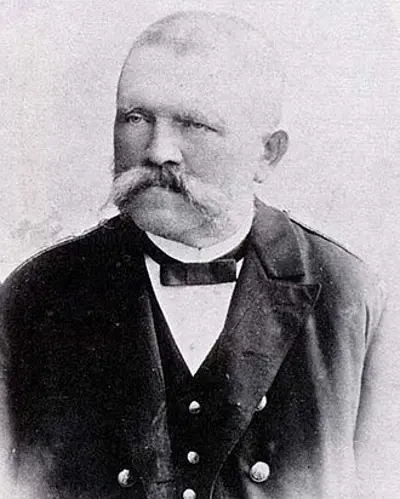
Alois Hitler was an Austrian civil servant in the customs service and the father of Adolf Hitler, dictator of Nazi Germany.
Alois Hitler, Austrian civil servant (died 1903)
Anne Isabella, Lady Ritchie, eldest daughter of William Makepeace Thackeray, was an English writer, whose several novels were appreciated in their time and made her a central figur…
Anne Isabella Thackeray Ritchie, English author (died 1919)
Antonio Pastor was an American impresario, variety performer and theatre owner who became one of the founding forces behind American vaudeville in the mid-to-late-nineteenth centur…
Tony Pastor, American impresario, variety performer and theatre owner (died 1908)
Michele Rua was an Italian Catholic priest and professed member of the Salesians of Don Bosco. Rua was a student under Don Bosco and was also the latter's first collaborator in the…
Michele Rua, Italian Catholic priest and saint (died 1910)